
A heartbeat away from our priorities
Why heart health deserves a louder public voice
Heart disease still kills far too many people, yet you wouldn’t know it from our public conversations. We argue about carbs and step counts, but the larger story—how our daily structures push our hearts harder than they should—stays quiet. We’ve normalized short sleep, long commutes, salty ultra-processed lunches, and stress that never unclenches. Then we act shocked when arteries harden and pressure rises.
Our hearts are not failing us. Our systems are failing our hearts. When cities lack safe sidewalks, when food marketing targets the cheapest calories, when clinics race through seven-minute visits, we tilt the odds toward disease. We talk about personal responsibility, then design the day to make the unhealthy choice the easiest one. It’s upside down.
Public voice matters. Policy follows volume.
The personal experiences that shaped my stance
I came to this the hard way. My father’s first heart scare arrived disguised as indigestion. He brushed it off, convinced he was too busy for a checkup. The ambulance ride changed his mind. His recovery changed mine. I saw how quickly routines fracture under a cardiac event, how suddenly the strong need help opening jars, how fragile plans become when a heartbeat goes sideways.
I also learned how many tiny choices pile up. Late-night work. Skipped walks. Salt-heavy takeout. Not because we’re careless, but because we’re tired. I refuse to treat that as a character flaw. It’s a design flaw in our days. My opinion is simple: we need to make heart-protective choices the path of least resistance and stop pretending grit alone will do the job.
Willpower is overrated.
Pills or habits
The seduction of quick fixes
There’s a pill for blood pressure, a pill for cholesterol, a pill for blood sugar. Medication saves lives. I’m grateful for it. But we’ve let prescriptions become a cultural permission slip to keep living in ways that create the need for more prescriptions. We love the clean line of a refill more than the messy work of changing routines.
In my experience, patients often hear two contradictory messages: “You must change” and “Here’s a pill so you don’t have to.” The result is confusion and drift. When clinical goals are met, the conversation stops, even if the person still feels winded after a flight of stairs or wakes up exhausted. Numbers improve, but life doesn’t.
Medication is a tool, not an alibi.
What long-term change actually looks like
Long-term change doesn’t look like a 5 a.m. bootcamp and a keto epiphany. It looks like swapping sugared drinks for water five days a week. It looks like cooking once and eating leftovers twice. It looks like putting the shoes by the door and walking ten minutes after dinner until ten becomes twenty. And it looks like a fallback plan for the days that go off the rails.
The first fight is about friction. If the healthy option requires a separate trip, an extra app, or a complicated recipe, it’s a fantasy, not a plan. Make it friction-light. Pre-chop vegetables. Keep a blood pressure cuff on the counter, not in a drawer. Schedule “movement meetings” instead of lunch meetings when possible. The best changes survive bad weeks.
Consistency beats intensity. Every time.
Food environments and the myth of willpower
Choice is constrained by policy and place
We pretend food choices are personal morality plays. They’re not. They’re policy outcomes. Portion sizes grow because incentives reward volume. Sodium stays high because it’s cheap and legal. Corner stores sell shelf-stable sugar because fresh produce spoils without subsidies and cold storage. Then we wag a finger at the person buying what’s available.
If city councils limited sodium in chain restaurants, if school lunches set a higher floor for fiber and a lower ceiling for added sugar, if benefits programs rewarded produce spending with matching credits, we would see blood pressure curves shift. Not instantly, but steadily. Choice would still exist, just with better defaults.
Make the default kind to the heart.
Culture as an ally not a barrier
Health advice often crashes into culture and loses. That’s because it arrives like a scolding, not an invitation. Food is identity, memory, celebration. I don’t want bland austerity. I want smart swaps that honor flavor and family.
Keep the spices. Keep the rituals. Adjust technique and portions. Roast instead of deep-fry. Reserve the richest dishes for gatherings and serve them with crunchy, fresh sides. Use beans and lentils because they stretch meals and lower LDL. Choose oils that are kinder to arteries. This isn’t cultural erasure; it’s cultural endurance with fewer funerals.
Heritage can protect the heart.
Movement that people will actually do
From punishment to joy
We have turned exercise into penance for eating. No wonder people hate it. The body doesn’t crave punishment; it craves play. The activities that stick bring pleasure, social connection, or a sense of mastery. That might be dancing, yard work, pickleball, or a morning walk with a friend who talks too much and makes the miles vanish.
I vote for small, repeatable wins. Park farther. Take stairs one flight, then two. Set a timer for a five-minute stretch break. People don’t fail because they’re lazy; they fail because their plan is joyless. If you hate your workout, your heart will rarely meet it.
Fun is compliance.
Strength and aerobic fitness as everyday vital signs
We measure temperature and pulse in clinics. We should also ask: How quickly can you walk a half mile? How many times can you stand from a chair without using hands? Can you carry groceries up a flight of stairs? These are heart questions disguised as daily life.
Strength training twice a week is not vanity; it’s insurance. It keeps joints aligned, glucose under control, and blood vessels responsive. Moderate cardio—enough to raise breathing but still talk—cleans the pipes. Sprinkle in short bursts of effort and longer easy efforts. Think of fitness as a portfolio: a few minutes most days, mixed intensities, compounding interest over years.
Make capacity your goal.
The quiet killers stress and sleep
Burnout and blood pressure
Work stress doesn’t just feel bad; it changes the body. Chronic tension shifts hormones, tightens vessels, and nudges pressure upward. We cope with caffeine and late-night scrolling that robs recovery. Productivity climbs for a quarter and falls for a decade.
My view is blunt: employers who ignore workload and control don’t just risk churn; they contribute to disease. Give people autonomy, predictable schedules, and real breaks. Managers who model boundaries grant permission to the whole team. The heart responds to a life that includes off switches.
Stress is a physiological input, not a moral failing.
Night work and circadian debt we never repay
Shift workers keep society running while their biology pays a price. Sleep at odd hours fragments and shortens, disrupting metabolism and blood pressure patterns. We treat this as an individual problem—buy blackout curtains, drink less coffee—when it’s a structural one.
The fix is partial but meaningful: rotate shifts forward, not backward; cap consecutive nights; offer nap-friendly spaces; pay premiums tied to health safeguards, not just hours. Healthcare should monitor shift workers more closely for hypertension and arrhythmias. We can’t rewrite human circadian wiring, but we can stop pretending it doesn’t exist.
Sleep is cardiac care.
Inequity is a risk factor we refuse to name
ZIP code versus genetic code
Genes matter, but addresses tell more of the story. Air quality, food access, safe parks, clinic density, and reliable transit predict who gets heart disease and when. Blaming individuals while ignoring postal codes is a moral dodge.
If we truly valued heart health, we’d fund shaded sidewalks before stadiums. We’d clean up particulate pollution near schools. We’d place blood pressure kiosks and community health workers in barbershops and churches. We’d measure success in fewer amputations and strokes, not just ribbon cuttings.
Location shapes outcomes.
Cost, convenience, and trust
Even with insurance, many people face high copays for the very drugs that prevent hospitalizations. Meanwhile, fries remain cheaper than fruit. The math is perverse. Make preventive meds low-cost or free. Subsidize produce in the same neighborhoods that carry the highest burden of disease. Align prices with values.
Trust is the other currency. Communities once harmed by medical neglect or bias don’t forget. Hire from those communities. Spend time listening before prescribing. Speak plain language. Honor skepticism. Partnership builds prevention faster than pamphlets.
Care must be earned.
Wearables and the data dilemma
Metrics that matter versus noise
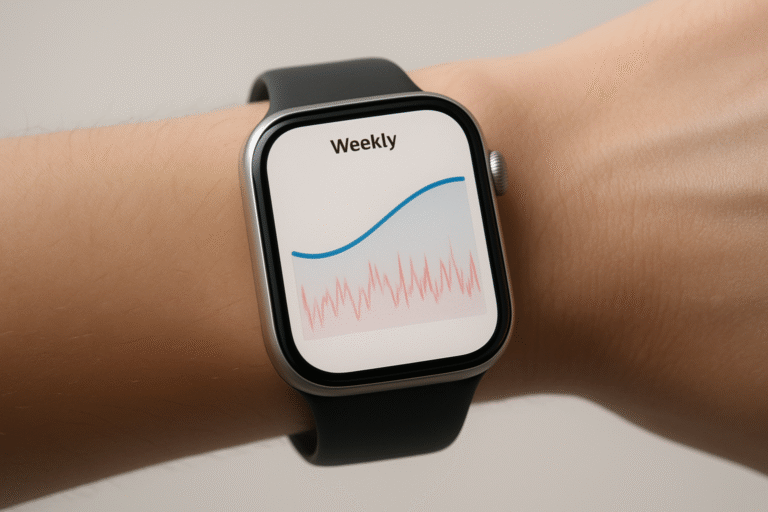
Our wrists are crowded with sensors. Some of the data helps; some just provokes anxiety. Resting heart rate trends are useful. So is cardiorespiratory fitness estimation over months, not days. Heart rate recovery after exertion can hint at resilience. Step counts encourage movement, though they’re blunt tools.
On the other hand, minute-by-minute micro-variations in heart rate variability can send people spiraling. One bad night doesn’t mean poor health. A weekly pattern tells more. I favor metrics that change slowly and reflect habits: resting rate, fitness estimates, sleep duration, and consistency.
Trend, not twitch.
When numbers should send you to a doctor
Alarms matter if they spot real risk. Irregular rhythm notifications deserve attention, especially with palpitations, dizziness, or fainting. Repeated high nocturnal heart rates without illness or alcohol might warrant a check. Blood pressure readings that stay above target across different times and days are a sign to book an appointment, not a reason to buy a fancier cuff.
Technology should shorten the path from concern to care. That means easy data sharing with clinics, clear thresholds for action, and education that calms instead of frightens. Gadgets are not guardians. Clinicians are.
Use devices as tools, not judges.
What I expect from healthcare
Prevention as the default visit
I want primary care visits that start with prevention, not as an afterthought squeezed in after refills. Blood pressure measured correctly. Waist and weight discussed with compassion and plans, not shame. A look at sleep, stress, and activity, the same way we review lab results. Follow-up that checks behavior changes, not just pharmacy pickups.
Clinics need time and help to do this. Pay for prevention visits with the same seriousness as procedures. Give clinicians team support—dietitians, health coaches, community workers—so advice becomes action. We can lower readmissions by raising the priority of prevention.
Make prevention routine, not rare.
Prescriptions for food and movement
Write food prescriptions with actual budgets attached. A produce script that cuts the grocery bill turns intention into meals. Link these programs to local markets and teach quick, affordable recipes that match cultural preferences. The result is fewer spikes in blood sugar and pressure.
Movement deserves prescriptions too. Not “exercise more,” but specific plans: 20 minutes brisk walking after dinner five days per week, two sessions of simple strength moves with printed instructions, a check-in in six weeks. Track it like a medication. Celebrate adherence. Adjust when life changes.
Precision beats platitudes.
A personal stake and a public choice
What I am changing now
I stopped waiting for free time to appear. I put it on the calendar. Three ten-minute walks most days, one short strength routine, lights out by 11 on weeknights. My pantry now has fewer salty snacks and more canned beans and frozen vegetables. I still eat birthday cake. I just don’t make every day a birthday.
I keep a cuff on my desk and check pressure twice a week. The numbers nudge me, not rule me. I text a friend when I miss two walks in a row. Accountability matters. So does mercy. Perfection is brittle. Progress bends and holds.
Small steps, repeated.
What we can demand together
We can raise our voices for the basics that protect hearts: safe streets for walking and biking, real food in schools and hospitals, paid time for preventive visits, and honest labeling on sodium and sugar. We can ask employers to design work that grants recovery, not just compensation. We can urge health systems to measure success in prevented disease, not just treated disease.
Heart health is not a personal hobby. It’s a public choice shaped by budgets, zoning, benefits, and clinic schedules. I’m tired of funerals that policy could have prevented and routines that break people before their hearts do. We know what helps: better defaults, kinder work, stronger communities, and care that starts before the ambulance ride.
Let’s make the easy choice the healthy one. Our hearts will follow.