

Last updated: July 12, 2026
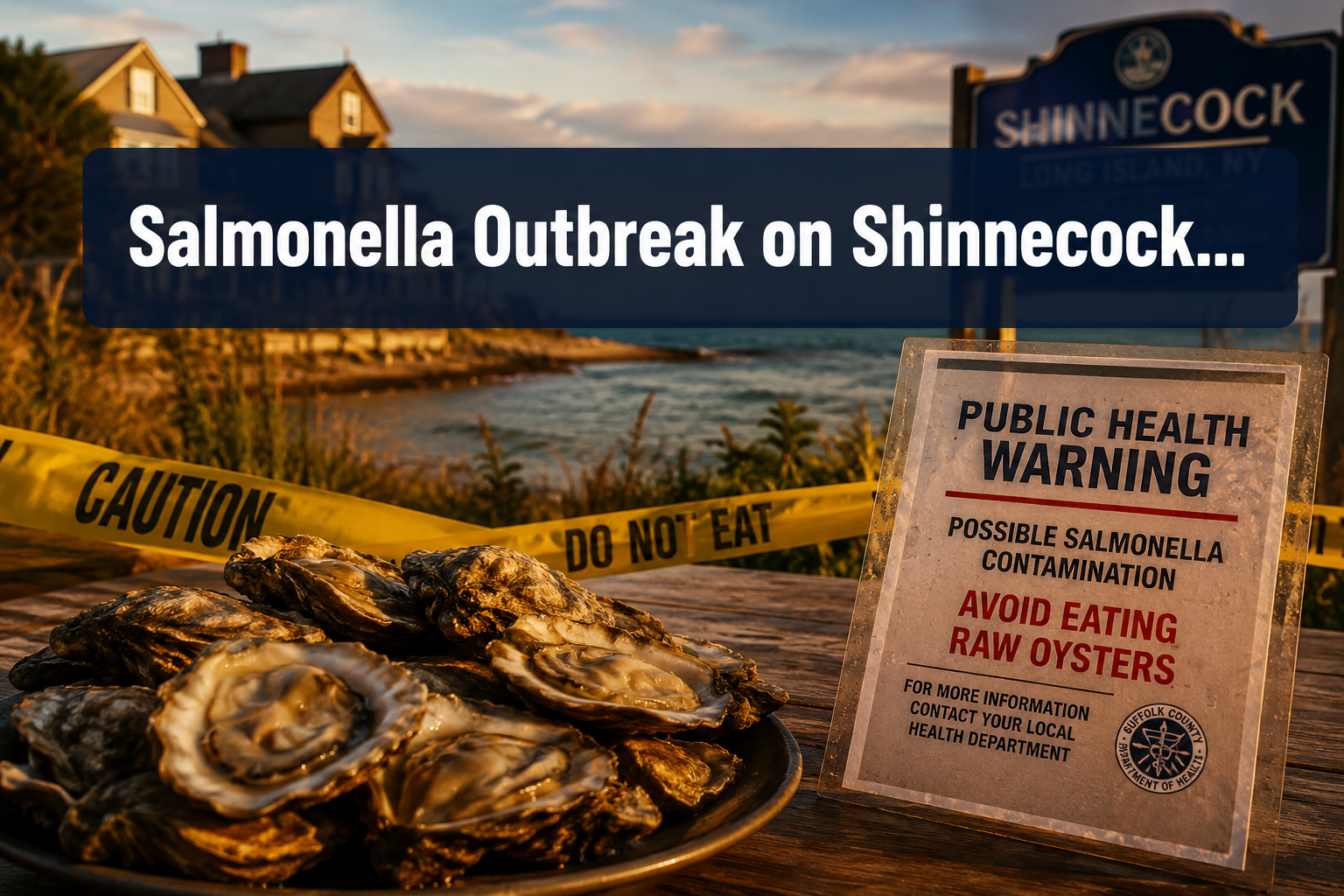
Quick Answer: A Salmonella outbreak has sickened dozens of people on Shinnecock Territory in Southampton, New York, as of July 11, 2026. Health officials are investigating the source, and residents are urged to monitor symptoms, practice safe food handling, and seek medical care if illness is severe. This article covers what the outbreak means for your health, how to recover through diet, and how to protect your household right now.
Key Takeaways
- Dozens of people on Shinnecock Territory have been sickened in a confirmed Salmonella outbreak reported July 11, 2026.
- Salmonella spreads through contaminated food, water, and contact with infected animals or surfaces.
- Symptoms typically appear 6 hours to 6 days after exposure and last 4 to 7 days in most healthy adults.
- Rehydration is the most critical first step in recovery; electrolyte-rich fluids and bland foods support healing.
- High-risk groups, including young children, the elderly, pregnant women, and immunocompromised individuals, should seek medical care promptly.
- Avoid raw or undercooked eggs, poultry, and unpasteurized dairy during any active outbreak period.
- Proper handwashing, safe cooking temperatures, and refrigerator hygiene are the most effective prevention tools.
- Testing for Salmonella requires a stool culture ordered by a healthcare provider.
- Most people recover without antibiotics, but severe cases require hospitalization and medical intervention.
- The outbreak is under active investigation; residents should follow updates from local and tribal health authorities.
What Is the Salmonella Outbreak on Shinnecock Territory This Week?
Dozens of people on Shinnecock Territory, a federally recognized tribal nation located in Southampton, Long Island, New York, have been sickened by a Salmonella outbreak first reported on July 11, 2026. The Salmonella outbreak on Shinnecock Territory is an active public health event, and local and tribal health officials are working to identify the specific food source and contain further spread.
This situation mirrors a broader pattern of food-borne illness events across the U.S. in 2026. Earlier this year, a separate Salmonella outbreak was linked to pet veiled chameleons [1], and a food safety alert was issued for frozen pizzas and meat products tied to contaminated dry milk powder [4]. The Shinnecock outbreak appears to be community-based and food-related, though the precise source had not been publicly confirmed at the time of publication.
What residents should do right now:
- Contact the Shinnecock Indian Nation’s health department or Suffolk County Department of Health for the latest guidance.
- Report any suspected illness to local health authorities to help trace the source.
- Do not share food, utensils, or beverages with anyone who is symptomatic.
What Is Salmonella and How Does It Spread?
Salmonella is a group of bacteria that causes one of the most common food-borne illnesses in the United States. It spreads primarily through the consumption of contaminated food or water, but also through contact with infected animals, their feces, or contaminated surfaces.
Common transmission routes include:
- Raw or undercooked poultry, eggs, and meat
- Unpasteurized milk and juice
- Raw fruits and vegetables contaminated during growing or handling
- Contact with reptiles, backyard poultry, or other animals carrying the bacteria [1]
- Cross-contamination in kitchens (cutting boards, knives, hands)
Salmonella does not typically change the smell, taste, or appearance of food, which makes it especially difficult to detect without proper testing. A person can also spread the bacteria to others through poor hand hygiene, even before symptoms appear.
For broader context on how diet and supplements interact with illness recovery, see the health resources at VirtualArticle.
What Are the Symptoms of Salmonella Poisoning?
Salmonella infection causes diarrhea, fever, stomach cramps, and sometimes vomiting. Symptoms typically begin 6 hours to 6 days after exposure and can range from mild discomfort to severe dehydration requiring hospitalization [2].
Common symptoms include:
- Diarrhea (sometimes bloody)
- Abdominal cramping and pain
- Fever (usually 100-102 degrees Fahrenheit)
- Nausea and vomiting
- Headache and muscle aches
- Chills
Symptoms generally last 4 to 7 days. Most people recover without medical treatment, but dehydration from prolonged diarrhea and vomiting is the most serious risk, particularly in vulnerable populations.
How Long Does Salmonella Last in Your Body?
For most healthy adults, Salmonella infection resolves within 4 to 7 days without antibiotics. However, the bacteria can persist in the stool for weeks after symptoms clear, meaning a person can still be contagious even after feeling better.
In severe cases, Salmonella can enter the bloodstream (a condition called bacteremia), which requires immediate medical treatment. People with weakened immune systems, inflammatory bowel disease, or sickle cell disease face a higher risk of this complication.
Recovery timeline (general estimate):
| Phase | Timeframe |
|---|---|
| Symptom onset | 6 hours to 6 days post-exposure |
| Peak illness | Days 2 to 4 |
| Resolution in healthy adults | 4 to 7 days |
| Bacteria in stool (post-recovery) | Up to 4 to 6 weeks |
What Food May Have Caused the Salmonella Outbreak on Shinnecock Territory?
The specific food source linked to the Shinnecock Territory Salmonella outbreak has not been publicly confirmed as of July 12, 2026. Investigations of this nature typically take days to weeks to complete, as health officials collect food samples, conduct interviews, and trace supply chains.
Based on patterns from other 2026 outbreaks, common culprits in community-based Salmonella events include:
- Poultry and egg dishes served at communal gatherings
- Raw produce (salads, sprouts, melons)
- Processed foods with contaminated ingredients, such as dry milk powder found in frozen pizzas recalled earlier this year [4]
- Imported ready-to-eat meat products, a pattern seen in a recent UK outbreak [5]
- Nuts and seeds, including a Canadian advisory linked to pistachios in April 2026 [7]
Residents who attended any communal meals or events on Shinnecock Territory in the days before becoming ill should report what they ate to health investigators. This information directly helps identify and remove the contaminated source.
Who Is Most at Risk From the Shinnecock Territory Salmonella Outbreak?
Certain groups face a significantly higher risk of severe illness from Salmonella. Healthy adults typically recover on their own, but the following populations should seek medical attention sooner rather than later [2].
High-risk groups:
- Infants and children under 5 years old
- Adults over 65
- Pregnant women (risk of complications for both mother and fetus)
- People with HIV/AIDS, cancer, diabetes, or those on immunosuppressive medications
- Individuals with sickle cell disease or liver conditions
For these groups, dehydration can escalate quickly, and the risk of the infection spreading beyond the gut is meaningfully higher.
What Should You Do If You Think You Have Salmonella?
If you suspect Salmonella infection, start rehydrating immediately and monitor symptoms closely. Most cases do not require a doctor visit, but certain warning signs demand prompt medical care.
Steps to take:
- Hydrate aggressively. Drink water, oral rehydration solutions (ORS), or clear broths. Avoid sugary sodas and undiluted fruit juices, which can worsen diarrhea.
- Rest and eat bland foods. The BRAT diet (bananas, rice, applesauce, toast) is a widely used starting point. Plain crackers, boiled potatoes, and cooked carrots are also gentle on the gut.
- Avoid anti-diarrheal medications like loperamide unless directed by a doctor. These can prolong the time bacteria stay in your system.
- Wash hands thoroughly after every bathroom visit to prevent spreading the infection.
- Contact a healthcare provider if symptoms are severe or belong to a high-risk group.
Seek emergency care immediately if you experience:
- Bloody diarrhea lasting more than 3 days
- Fever above 102 degrees Fahrenheit
- Signs of severe dehydration (no urination for 8+ hours, dry mouth, dizziness)
- Confusion or extreme fatigue
Understanding how vitamins and supplements support immune recovery can also be useful during illness; see this guide to using vitamins and supplements as a treatment for evidence-based context.
How to Treat Salmonella at Home vs. When to See a Doctor
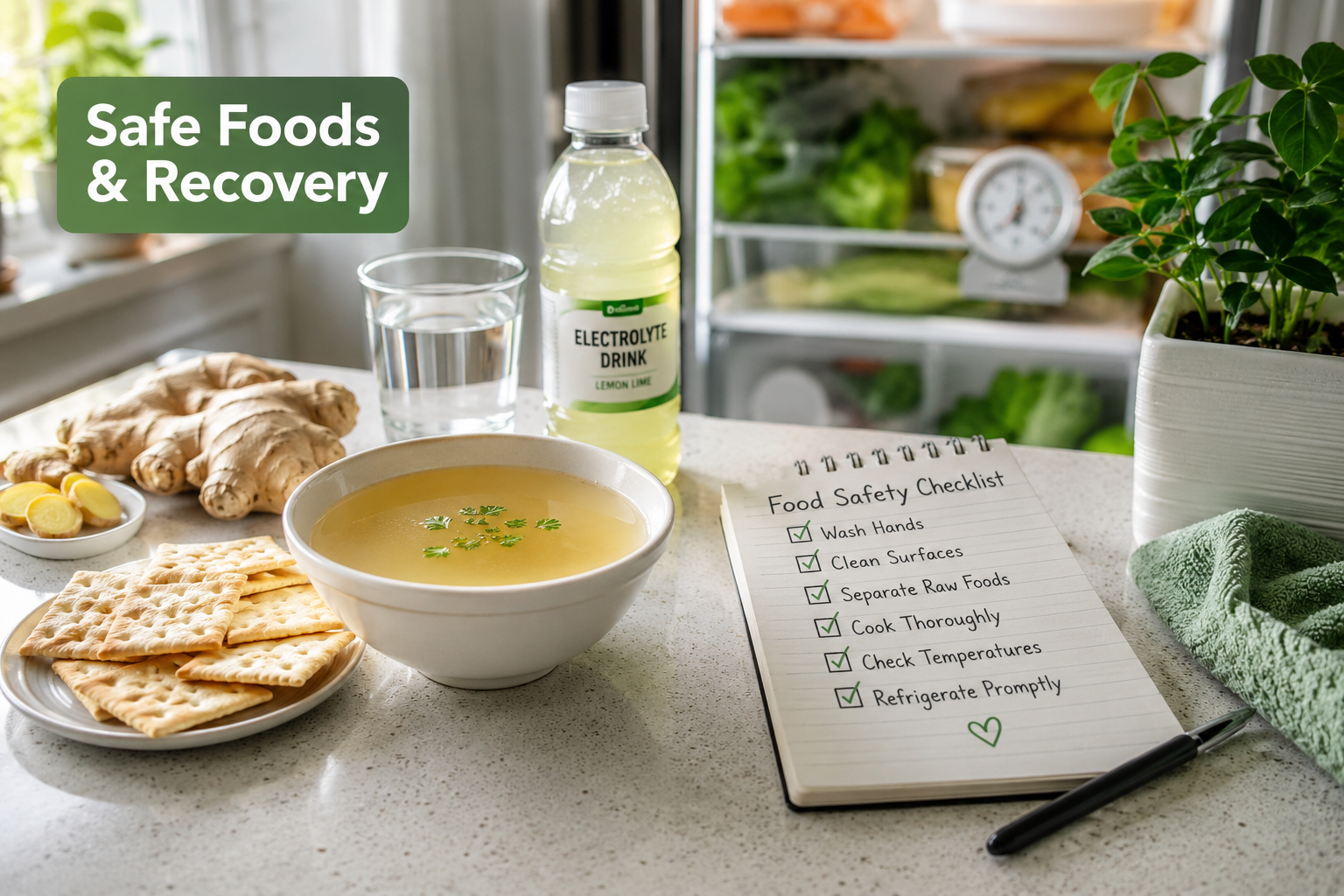
Most Salmonella cases are managed at home with rest and rehydration. Medical treatment, including antibiotics, is reserved for severe cases or high-risk patients.
At home (appropriate for mild-to-moderate illness in healthy adults):
- Oral rehydration with water and electrolyte solutions
- Bland, low-fiber foods during the acute phase
- Probiotic-rich foods (plain yogurt with live cultures) once diarrhea begins to ease, to help restore gut bacteria
- Adequate rest
See a doctor if:
- You are in a high-risk group (see above)
- Symptoms worsen after 3 days or do not improve after 7 days
- You cannot keep fluids down
- You have signs of bloodstream infection (high fever, chills, rapid heart rate)
Antibiotics are not routinely prescribed for uncomplicated Salmonella because they can sometimes extend the carrier period. A doctor will assess whether the benefits outweigh the risks based on your specific situation.
What Foods to Avoid During a Salmonella Outbreak
During an active outbreak like the one on Shinnecock Territory, certain foods carry a higher contamination risk and should be avoided until health authorities confirm the source is contained.
Avoid or handle with extra caution:
- Raw or undercooked eggs and egg-based dishes (Caesar dressing, hollandaise, homemade mayonnaise)
- Undercooked poultry and ground meat
- Unpasteurized dairy products and juices
- Raw sprouts (alfalfa, bean sprouts)
- Pre-cut melons and leafy greens if the supply chain is unclear
- Any food recalled or flagged by local health authorities
Proper grill and outdoor cooking hygiene is also critical during summer gatherings. For practical guidance on keeping cooking equipment sanitary, the barbeque maintenance and food safety guide covers key steps for preventing cross-contamination at the source.
How to Prevent Salmonella Infection in Your Kitchen
Prevention centers on four core food safety principles: clean, separate, cook, and chill. These steps are especially important during an active community outbreak.
Clean:
- Wash hands with soap for at least 20 seconds before and after handling food.
- Sanitize cutting boards, counters, and utensils after contact with raw meat or eggs.
Separate:
- Use separate cutting boards for raw meat and produce.
- Store raw poultry on the bottom shelf of the refrigerator, sealed, so juices cannot drip onto other foods.
Cook:
- Cook poultry to an internal temperature of 165 degrees Fahrenheit.
- Cook ground beef and pork to 160 degrees Fahrenheit.
- Cook eggs until both yolk and white are firm.
Chill:
- Refrigerate perishable foods within 2 hours (1 hour if the temperature is above 90 degrees Fahrenheit outdoors).
- Keep your refrigerator at or below 40 degrees Fahrenheit.
What Is the Difference Between Salmonella and General Food Poisoning?
Salmonella is one specific cause of food poisoning, but the two terms are not interchangeable. “Food poisoning” is a broad term covering any illness caused by eating contaminated food, including bacteria (Salmonella, E. coli, Listeria), viruses (norovirus), and toxins (Staphylococcus aureus).
Key differences:
- Onset: Salmonella typically takes 6 hours to 6 days to cause symptoms. Staph toxin food poisoning, by contrast, can cause symptoms within 30 minutes to 8 hours.
- Duration: Salmonella usually lasts 4 to 7 days. Norovirus typically resolves in 1 to 3 days.
- Diagnosis: Salmonella requires a stool culture for confirmation. Most general food poisoning cases are diagnosed based on symptoms alone.
- Treatment: Both are generally managed with hydration and rest, but Salmonella has specific antibiotic options for severe cases.
If you are unsure what is causing your illness, a healthcare provider can order the appropriate tests.
Where Can You Get Tested for Salmonella?
Salmonella testing requires a stool culture, which must be ordered by a healthcare provider. At-home test kits are not reliable for diagnosing bacterial infections.
Where to get tested:
- Your primary care physician or urgent care clinic
- A hospital emergency department (for severe cases)
- Tribal health clinics on or near Shinnecock Territory
- Suffolk County Department of Health services
Testing is most useful when done within the first few days of illness, before symptoms resolve. If you are part of the Shinnecock community and believe you are part of this outbreak, report your illness to local health authorities even if you do not seek formal testing. This helps investigators map the outbreak and identify the source faster.
Is the Salmonella Outbreak on Shinnecock Territory Still Ongoing?
As of July 12, 2026, the Salmonella outbreak on Shinnecock Territory is active and under investigation. The specific food source has not been publicly confirmed, and no formal end-of-outbreak declaration has been issued.
Residents should treat the situation as ongoing until tribal and county health officials announce that the outbreak is contained. Check for updates directly from:
- The Shinnecock Indian Nation’s official communications
- Suffolk County Department of Health
- The New York State Department of Health
Staying informed through official channels is the most reliable way to know when the risk has passed.
FAQ
Q: How many people have been sickened in the Shinnecock Territory Salmonella outbreak? Dozens of people have been reported ill as of July 11, 2026. The exact case count is subject to change as the investigation continues.
Q: Can Salmonella spread from person to person? Yes. Salmonella can spread through the fecal-oral route, meaning an infected person can transmit the bacteria to others through poor hand hygiene, especially when preparing food.
Q: Should I take antibiotics if I have Salmonella? Not automatically. Most healthy adults recover without antibiotics. A doctor will prescribe them only for severe illness, high-risk patients, or cases where the infection has entered the bloodstream.
Q: Is it safe to eat at restaurants near Shinnecock Territory right now? Until the specific food source is identified, exercise caution with any food that could carry Salmonella (undercooked poultry, raw eggs, unpasteurized products). Follow guidance from local health authorities.
Q: Can children get Salmonella from the same outbreak? Yes, and children under 5 are at higher risk of severe illness. Parents should monitor symptoms closely and contact a pediatrician promptly if a child shows signs of dehydration or high fever.
Q: What probiotic foods help after Salmonella? Plain yogurt with live active cultures, kefir, and miso (in small amounts) can help restore gut bacteria once the acute diarrhea phase passes. Introduce these gradually.
Q: How do I know if my food is contaminated with Salmonella? You cannot tell by sight, smell, or taste. Safe cooking temperatures and proper food handling are the only reliable protections.
Q: Are there any food recalls connected to this outbreak? No specific recalls tied to the Shinnecock outbreak have been announced as of July 12, 2026. A separate recall for frozen pizzas linked to contaminated dry milk powder was issued earlier this year [4] but is not confirmed as related.
Q: How long am I contagious after recovering from Salmonella? You can shed Salmonella bacteria in your stool for up to 4 to 6 weeks after symptoms resolve. Strict hand hygiene during this period is essential, especially if you prepare food for others.
Q: Can Salmonella be prevented with a vaccine? There is no Salmonella vaccine approved for general human use in the United States. Prevention relies entirely on food safety practices and hygiene.
Conclusion
The Salmonella outbreak on Shinnecock Territory is a serious, active public health event that demands immediate attention from residents, caregivers, and community leaders. Dozens of people have already been sickened, and the source is still under investigation as of July 12, 2026.
Actionable next steps:
- Report illness. If you or a family member has symptoms and recently ate food on Shinnecock Territory, contact local health authorities. Your report helps investigators find the source.
- Rehydrate first. Oral rehydration solutions, clear broths, and water are the cornerstone of recovery. Start immediately if symptoms appear.
- Eat to recover. Stick to bland, easy-to-digest foods during the acute phase. Introduce probiotic foods once symptoms ease to support gut restoration.
- Apply kitchen safety now. Cook poultry and eggs to safe temperatures, separate raw and ready-to-eat foods, and wash hands thoroughly before and after food handling.
- Know when to escalate. High-risk individuals, including young children, the elderly, and immunocompromised people, should contact a healthcare provider at the first sign of illness rather than waiting to see if symptoms improve.
- Follow official updates. Monitor the Shinnecock Indian Nation, Suffolk County Department of Health, and New York State Department of Health for the latest guidance on the outbreak’s status.
Food-borne illness outbreaks are preventable. The steps above protect not just individuals but the entire community.
References
[1] Investigation – https://www.cdc.gov/salmonella/outbreaks/chameleons-05-26/investigation.html
[2] Salmonella Outbreak 2026 Symptoms – https://passionhealthphysicians.com/salmonella-outbreak-2026-symptoms/
[4] Frozen Pizzas Among Newest Recall for Possible Salmonella – https://longisland.news12.com/2026/05/06/frozen-pizzas-among-newest-recall-for-possible-salmonella/7dIACvopxtQrjlX27z4wLv
[5] Health Protection Report Volume 20 Issue 2, 26 February 2026 – https://www.gov.uk/government/publications/health-protection-report-volume-20-2026/hpr-volume-20-issue-2-news-26-february-2026
[7] Public Health Notices – https://www.canada.ca/en/public-health/services/public-health-notices.html
