

Last updated: July 14, 2026
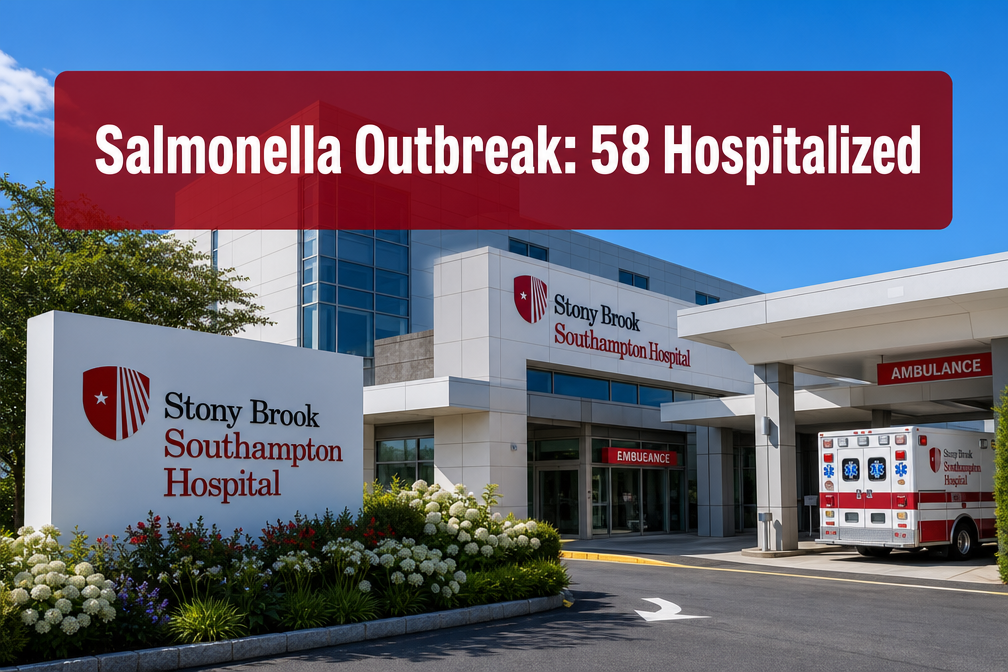
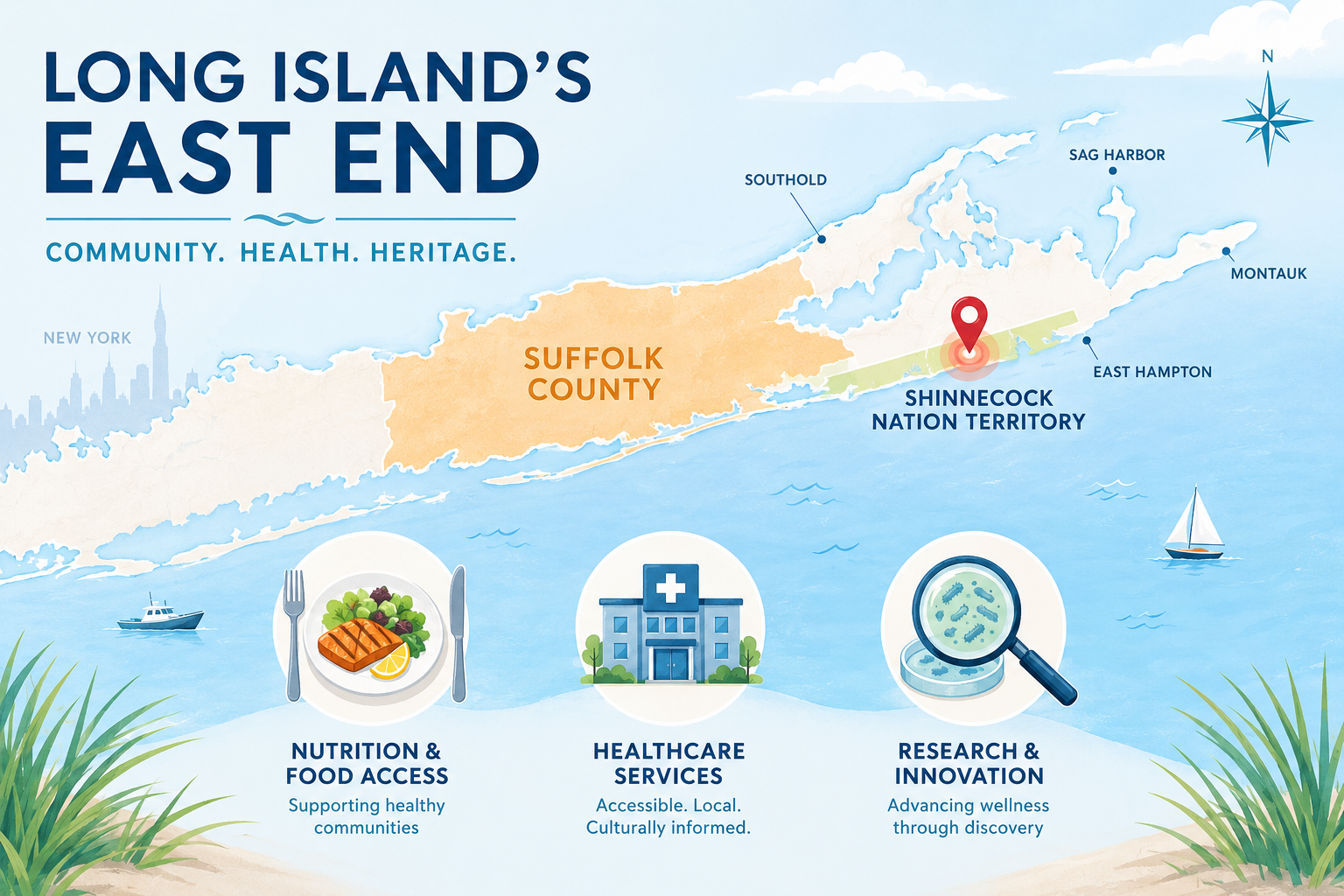
Quick Answer: A confirmed Salmonella outbreak hospitalizes 58 on Long Island this week, with all cases traced to the East End of Suffolk County. Stony Brook Southampton Hospital reported the cluster on July 12, 2026, and the Suffolk County Department of Health Services is leading an active investigation. The outbreak appears heavily linked to the Shinnecock Indian Nation community, with a June 30 funeral meal identified as a key epidemiologic event under review.
Key Takeaways
- Stony Brook Southampton Hospital treated 58 patients with Salmonella-consistent symptoms between July 1 and July 12, 2026
- Most patients were evaluated in the emergency department and discharged; some required inpatient hospitalization for more serious illness
- The Suffolk County Department of Health Services confirmed it is leading the local investigation
- Approximately 60 members of the Shinnecock Indian Nation reported diagnoses, with illnesses lasting six to ten days in many cases
- A funeral meal on June 30, 2026 and a local music festival around June 27 are being examined as potential exposure events
- No specific food source has been officially confirmed as the cause
- Typical symptoms include diarrhea, fever, stomach cramps, vomiting, and headache
- Most healthy adults recover without antibiotics; high-risk groups should seek medical care promptly
- Proper food handling, cooking temperatures, and handwashing remain the most effective prevention tools
What Is Salmonella and How Does It Spread
Salmonella is a group of bacteria that causes one of the most common foodborne illnesses in the United States. It spreads primarily through contaminated food or water, and through contact with infected animals or people who have not washed their hands properly.
Common transmission routes include:
- Undercooked poultry, eggs, beef, and pork
- Raw or unpasteurized dairy products
- Fresh produce contaminated during handling
- Cross-contamination in kitchens (cutting boards, utensils)
- Direct contact with reptiles, birds, or backyard poultry [10]
- Person-to-person spread when an infected individual handles food without proper hygiene
Salmonella does not change the smell, taste, or appearance of food, which makes contaminated items difficult to identify without testing. Large gatherings, such as community meals, create higher risk because food is prepared in bulk and may sit at unsafe temperatures longer than recommended.
The Salmonella Outbreak Hospitalizes 58 on Long Island This Week: What Happened
Starting July 1, 2026, Stony Brook Southampton Hospital began seeing a surge of patients presenting with symptoms consistent with Salmonella infection. By July 12, that number had reached 58 patients, all from the East End of Long Island in Suffolk County [1][2].
Hospital officials notified the New York State Department of Health as required by mandatory reporting rules. The Suffolk County Department of Health Services confirmed it is “involved in collecting information on a Salmonella outbreak on the East End of Long Island” and is directing the investigation [1][2][3].
Key facts confirmed so far:
- All 58 patients are from the East End of Suffolk County
- The majority were treated in the emergency department and released
- A smaller number required inpatient hospitalization for more severe illness
- State and town officials have directed media inquiries to the county health department
- No specific restaurant, food product, or venue has been publicly named as the confirmed source [2][3]
“Roughly 60 tribe members have been diagnosed with Salmonella, several have been hospitalized, and many continue to experience symptoms lasting six to ten days.”, Shinnecock Tribal Chairwoman Lisa Goree, as reported by Newsday [3]
Long Island Salmonella Outbreak: Which Events and Communities Are Affected
The outbreak disproportionately affects members of the Shinnecock Indian Nation, a tribal community located on Long Island’s South Fork in Southampton. Tribal Chairwoman Lisa Goree told local media that approximately 60 tribe members had been diagnosed, with several requiring hospitalization [3].
Two events are under epidemiologic review:
- A funeral meal on June 30, 2026, Most people who became ill reportedly attended this community gathering. Investigators are examining the food served as a potential common source.
- A local music festival around June 27, 2026, Early reports link some cases to this event as well, though this connection has not been officially confirmed [3].
Authorities have not publicly named any specific restaurant or food establishment as the source. The Suffolk County Department of Health Services has not released details on where the outbreak is centered while the investigation is active [1][2].
Salmonella Symptoms: How Long Do They Last
Salmonella symptoms typically appear six to 72 hours after exposure and last four to seven days in most otherwise healthy adults. In the Long Island outbreak, Shinnecock community members reported illnesses lasting six to ten days [3].
Typical symptoms include:
- Diarrhea (sometimes bloody)
- Fever, often above 101°F (38.3°C)
- Stomach cramps and abdominal pain
- Nausea and vomiting
- Headache and muscle aches [1]
Most people recover fully without medical treatment. However, dehydration from prolonged diarrhea and vomiting is a real risk, particularly in children, older adults, and people with weakened immune systems.
When Should You Go to the Hospital for Salmonella
Go to an emergency department or urgent care immediately if symptoms are severe, worsening after 48 hours, or if you belong to a high-risk group. The 58 Long Island patients who sought hospital care this week illustrate that Salmonella can escalate quickly in a community setting [1][2].
Seek medical care if you experience any of the following:
- Diarrhea lasting more than three days without improvement
- Fever above 102°F (38.9°C)
- Blood in stool
- Signs of severe dehydration: no urination for eight or more hours, dry mouth, dizziness, or sunken eyes
- Inability to keep fluids down
- Confusion or extreme fatigue
Children under five, adults over 65, pregnant women, and anyone immunocompromised should contact a healthcare provider at the first sign of Salmonella symptoms rather than waiting.
Salmonella Treatment: Antibiotics or Just Rest
For most healthy adults, Salmonella treatment is supportive, meaning rest, oral rehydration, and time. Antibiotics are not routinely recommended because they can sometimes prolong the period during which a person sheds the bacteria and may contribute to antibiotic resistance.
When antibiotics are used:
- Severe illness requiring hospitalization
- Infection that has spread beyond the gut (bacteremia)
- High-risk patients: infants, elderly, immunocompromised individuals
- Cases where the infection does not resolve on its own
Oral rehydration solutions (such as Pedialyte or electrolyte drinks) help replace fluids and salts lost through diarrhea and vomiting. Avoid anti-diarrheal medications like loperamide unless directed by a doctor, as they can slow the body’s ability to clear the bacteria.
For those recovering from a Salmonella infection, supporting the body with easily digestible foods, adequate hydration, and rest is the foundation of recovery. You can also explore evidence-based approaches to recovery nutrition in our guide on using vitamins and supplements as a treatment.
Who Is Most at Risk for Severe Salmonella Infection
Certain groups face a significantly higher risk of severe illness, hospitalization, or complications from Salmonella. The Long Island outbreak, which affected a tight-knit community including elders and families, underscores why vulnerable populations need faster medical attention [3].
Highest-risk groups:
- Infants and children under five years old
- Adults 65 and older
- Pregnant women (risk of preterm labor and fetal infection)
- People with HIV/AIDS, cancer, diabetes, or those on immunosuppressive medications
- Individuals with sickle cell disease or no spleen
People in these categories should not attempt to wait out a Salmonella infection at home without medical guidance.
Can Salmonella Kill You: Complications to Know
Salmonella is rarely fatal in healthy adults, but it can cause life-threatening complications in vulnerable individuals. The CDC estimates Salmonella causes approximately 1.35 million infections, 26,500 hospitalizations, and 420 deaths in the United States each year (CDC estimate, pre-2026 data).
Serious complications include:
- Bacteremia: Bacteria entering the bloodstream, which can spread to organs
- Reactive arthritis: Joint pain and inflammation that can persist for months after infection
- Meningitis: Rare but possible if bacteria reach the brain
- Severe dehydration: Can cause kidney failure if untreated
Prompt medical care dramatically reduces the risk of these outcomes. The fact that the Long Island outbreak prompted 58 hospital visits in under two weeks signals the importance of early intervention [1][2].
How to Prevent Salmonella Food Poisoning at Home
Salmonella prevention comes down to four core practices: clean, separate, cook, and chill. These steps are especially critical when preparing food for large community gatherings, like the events linked to the Long Island outbreak.
Prevention checklist for home and community cooking:
- Wash hands with soap and water for at least 20 seconds before and after handling raw meat, poultry, or eggs
- Use separate cutting boards for raw meat and ready-to-eat foods
- Cook poultry to an internal temperature of 165°F (74°C); eggs until both yolk and white are firm
- Refrigerate perishable foods within two hours of preparation (one hour if the temperature is above 90°F)
- Never leave buffet-style foods at room temperature for extended periods
- Avoid cross-contamination by washing all surfaces and utensils after contact with raw protein
For outdoor events and summer cookouts, proper grill hygiene is also essential. Our guide on barbeque maintenance and grill safety covers practical steps for keeping food safe during warm-weather cooking.
For broader health and wellness coverage related to foodborne illness and recovery, visit the Health section at VirtualArticle.com.
Salmonella vs. Food Poisoning: What Is the Difference
Salmonella is one specific cause of food poisoning, but not all food poisoning is Salmonella. “Food poisoning” is a broad term covering illness from bacteria (such as E. coli, Listeria, Campylobacter), viruses (such as norovirus), parasites, or toxins.
Key differences:
| Feature | Salmonella | General Food Poisoning |
|---|---|---|
| Cause | Salmonella bacteria | Multiple pathogens or toxins |
| Onset | 6-72 hours | Minutes to days |
| Duration | 4-10 days | Hours to days |
| Diagnosis | Stool culture required | Often clinical |
| Treatment | Supportive; antibiotics for severe cases | Varies by cause |
Distinguishing Salmonella from other causes matters clinically because treatment decisions, public health reporting requirements, and outbreak investigations differ based on the pathogen identified.
Salmonella Testing: How to Get Tested
Salmonella is diagnosed through a stool culture, a laboratory test that identifies the specific bacteria in a fecal sample. Testing is important both for individual treatment decisions and for public health investigations like the one currently underway in Suffolk County.
How to get tested:
- Contact your primary care provider or visit an urgent care clinic
- Request a stool culture, specifically mentioning possible Salmonella exposure
- Provide a sample using a collection kit (instructions provided by the lab)
- Results typically take two to four business days
If you attended the June 27 music festival or the June 30 community funeral on Long Island’s East End and developed symptoms, contact the Suffolk County Department of Health Services to report your illness and assist the investigation [2][3].
Salmonella Outbreak Updates: Long Island This Week and What to Do Next
As of July 14, 2026, the Salmonella outbreak hospitalizes 58 on Long Island this week with the investigation still active. Suffolk County health officials have not yet confirmed a definitive food source or declared the outbreak over [1][2][3].
If you think you have Salmonella:
- Stay home and rest; avoid preparing food for others
- Drink clear fluids or oral rehydration solutions frequently
- Monitor symptoms closely for worsening signs
- Call your doctor if symptoms last more than three days or worsen
- Report your illness to the Suffolk County Department of Health Services if you have a potential link to the outbreak events
- Do not return to food-handling work until you have been symptom-free for at least 48 hours and, if tested positive, until cleared by a healthcare provider
Conclusion
The Salmonella outbreak that hospitalizes 58 on Long Island this week is a serious public health event with an active investigation still in progress. All cases are tied to the East End of Suffolk County, with the Shinnecock Indian Nation community bearing a significant share of the illness burden following a community funeral meal on June 30 [3].
Actionable next steps for Long Island residents:
- If you attended the June 27 festival or June 30 funeral and feel unwell, seek medical evaluation now
- Practice strict food safety at all community gatherings: cook to proper temperatures, refrigerate promptly, and wash hands thoroughly
- Know the warning signs that require emergency care: bloody stool, high fever, severe dehydration, or symptoms lasting beyond three days
- Report suspected cases to the Suffolk County Department of Health Services to support the ongoing investigation
- Follow updates from the Suffolk County Department of Health Services and the New York State Department of Health as the investigation continues
Food safety at community events is a shared responsibility. Understanding how Salmonella spreads and knowing when to seek care can prevent a localized cluster from becoming a broader public health crisis.
Frequently Asked Questions
Q: How many people have been hospitalized in the Long Island Salmonella outbreak? A: Stony Brook Southampton Hospital reported 58 patients with Salmonella-consistent symptoms between July 1 and July 12, 2026, all from the East End of Long Island [1][2].
Q: What food caused the Long Island Salmonella outbreak? A: No specific food has been officially confirmed as the source. Investigators are examining a community funeral meal on June 30, 2026 and a local music festival around June 27 as potential exposure events [3].
Q: Which community is most affected by the Long Island Salmonella outbreak? A: The Shinnecock Indian Nation community on Long Island’s South Fork has been heavily affected, with Tribal Chairwoman Lisa Goree reporting approximately 60 diagnosed members [3].
Q: How long does Salmonella last? A: Most people recover in four to seven days. In the Long Island outbreak, some Shinnecock community members reported symptoms lasting six to ten days [3].
Q: Do I need antibiotics for Salmonella? A: Most healthy adults do not need antibiotics. Treatment is rest and rehydration. Antibiotics are reserved for severe cases, hospitalized patients, and high-risk individuals.
Q: When is Salmonella an emergency? A: Seek emergency care if you have bloody diarrhea, fever above 102°F, signs of severe dehydration, or symptoms that worsen after 48 hours. High-risk groups should seek care sooner.
Q: Can Salmonella spread from person to person? A: Yes. Salmonella can spread through the fecal-oral route, meaning an infected person who does not wash hands properly can contaminate food or surfaces and infect others.
Q: How is Salmonella diagnosed? A: A stool culture is the standard diagnostic test. Results typically take two to four business days.
Q: Is the Long Island Salmonella outbreak over? A: As of July 14, 2026, the investigation is still active. Suffolk County health officials have not declared the outbreak resolved [2][3].
Q: Who should I contact if I think I was exposed at one of the linked events? A: Contact the Suffolk County Department of Health Services to report your illness and assist the public health investigation [2].
References
[1] 58 People Hospitalized From East End Salmonella Outbreak – https://longisland.news12.com/58-people-hospitalized-from-east-end-salmonella-outbreak
[2] Salmonella Outbreak That Hospitalized 58 East End Residents Under Investigation – https://longisland.news12.com/2026/07/12/salmonella-outbreak-that-hospitalized-58-east-end-residents-under-investigation/3crN6vaoCkeijmehNhS7fz
[3] Salmonella Outbreak East End – https://www.newsday.com/news/health/salmonella-outbreak-east-end-qmlq5syo
[10] Salmonella Outbreak 48 States Linked Backyard Poultry – https://www.today.com/health/salmonella-outbreak-48-states-linked-backyard-poultry-t188307
