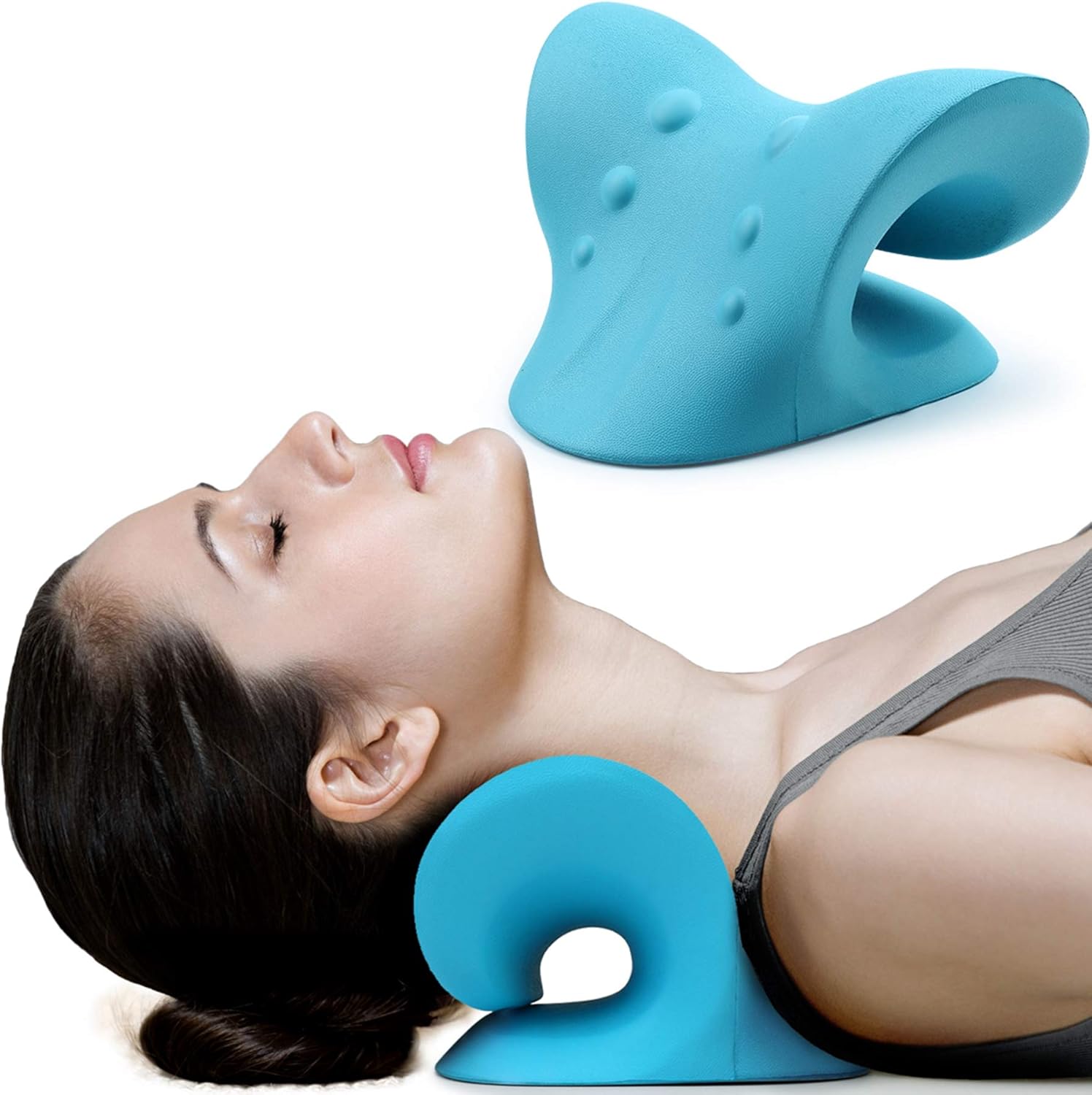
Neck discomfort is a common complaint in the modern age. Hours spent hunched over screens, combined with poor posture during daily activities, can lead to persistent stiffness and pain in the cervical spine. Many individuals seek relief through various methods, and one tool designed for at-home use is the cervical traction device, often referred to as a neck and shoulder relaxer. This device is engineered to address the physical stresses placed upon the neck.
It offers a targeted approach to counteracting the effects of daily habits that strain the neck muscles and vertebrae. For many, a short, dedicated session with such a device can become a part of their self-care routine, aimed at alleviating pressure and promoting better spinal alignment.
Understanding the Source of Modern Neck Strain
Much of the neck pain experienced today can be traced back to lifestyle. Prolonged periods of bowing the head to look at a phone, sitting for hours at a desk, and maintaining improper sitting posture all contribute to physical stress. These activities force the neck into an unnatural forward position, putting continuous strain on the muscles, ligaments, and discs of the cervical spine.
This constant forward head posture can lead to a condition sometimes called “tech neck.”
Over time, this strain can disrupt the natural C-shaped curve of the neck. The spine is designed with specific curves to distribute weight and absorb shock effectively. When the cervical curve begins to straighten or even reverse, it can result in increased pressure on the spinal structures, leading to stiffness, chronic pain, and reduced mobility. Addressing the root cause involves counteracting these postural habits.
How a Cervical Traction Device Works
A cervical traction device, or neck relaxer, functions based on ergonomic principles. Its specific shape is designed to match the contours of the human cervical spine. When a person lies down on the device, it uses the weight of their own head and the pull of gravity to create a gentle, passive stretch.
This process is what is known as cervical traction.
The design provides support in multiple directions. It offers vertical and horizontal support to cradle the neck, while its inherent curvature encourages a stretch that helps decompress the vertebrae. The primary objective is to guide the neck back toward its natural C-shaped alignment. By reducing pressure on the spinal discs and allowing tight muscles to relax, the device helps to alleviate the tension built up from poor posture. Most are constructed from a dense foam, which provides a base that is sturdy enough to be effective yet lightweight and comfortable for use.
A Practical Guide to Using Your Neck Relaxer
Using a neck and shoulder relaxer is a straightforward process, but following the correct steps is important for obtaining the best results. A typical session should last around 10 minutes per day.
Begin by finding a firm, flat surface. A floor or a yoga mat is an ideal location. Lie down and carefully position the device so that the neck support is situated around the middle of your neck. Most devices have two sides for varying levels of traction; start with the gentle traction option, which is usually the convex side pointing toward your head.
Once in position, make small adjustments. Gently shift your body up or down along your spine until you find the most comfortable and effective position for your neck. You should feel a supportive stretch, not sharp discomfort. To help relax the spine further, bend your knees with your feet flat on the floor. You can rest your hands beside your head or at your sides, whichever feels more natural.
Important Considerations for Safe Use
While these devices are designed for comfort, safety is paramount. First, it must be understood that a neck relaxer is a therapeutic tool, not a pillow. It should not be used for sleeping or for extended periods. The recommended duration is typically around ten minutes.
A period of adjustment is normal. Some slight discomfort may be felt initially as your neck and its supporting muscles adapt to the new corrector curvature. It may take one to three days to become fully accustomed to the sensation of the device. After this initial phase, most people report a feeling of extreme comfort and relief during and after use.
Listen to Your Body
This device should never be a source of pain. If you experience any sharp pain, numbness, or feelings of dizziness while using the neck stretcher, discontinue its use immediately. These could be signs that the device is aggravating an existing condition or is not appropriate for your specific situation. In such cases, consulting with your healthcare professional is the correct course of action. They can provide guidance based on your individual health needs.
Achieving Comfort and Proper Alignment
The goal of using a neck and shoulder relaxer is to achieve a state of relaxed comfort while encouraging proper spinal alignment. Finding the perfect spot on the device where you feel a pleasant stretch is key to an effective session. Consistent use, rather than long sessions, is the most beneficial approach for gradually helping to restore the neck’s natural curve.
The device’s simple, lightweight design means it can be used in various locations.
Whether on a home floor or an outdoor flat surface, it provides an accessible way to perform targeted neck traction. By incorporating short, regular sessions into your routine, you can proactively address the strains of modern life and work toward maintaining a healthier, more comfortable neck.