

Last updated: July 5, 2026
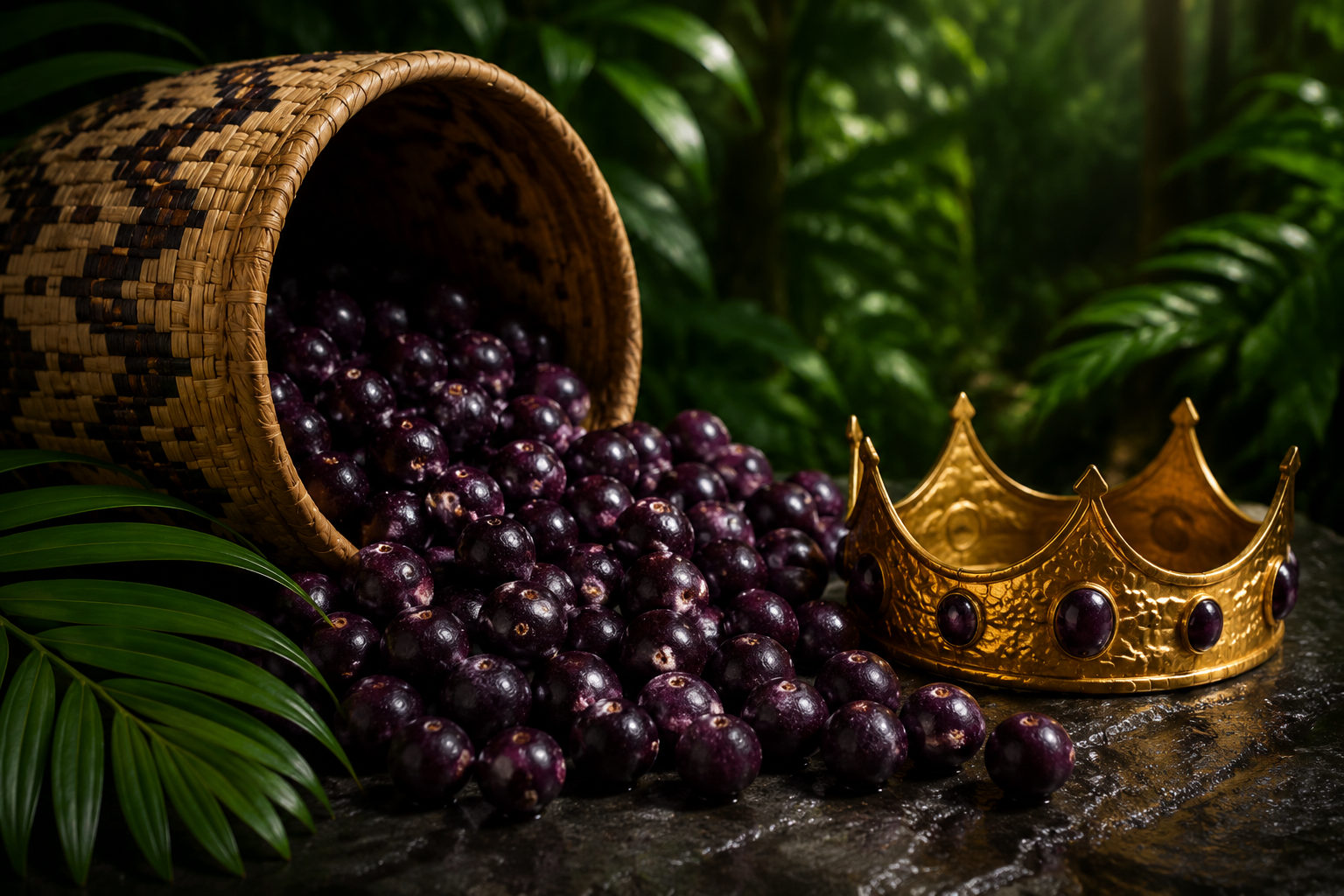
Quick Answer: Acai (pronounced ah-sigh-EE) is a small, dark-purple berry native to the Amazon rainforest, widely regarded as one of the most nutrient-dense foods on the planet. Acai wears the crown of the superfoods because it delivers an exceptional concentration of antioxidants, healthy fats, and fiber in a single serving. Its scientific backing, global market growth, and versatility across food, fitness, and wellness applications make it the benchmark by which other superfoods are measured.
Key Takeaways
- Acai berries contain some of the highest antioxidant concentrations of any food, driven primarily by anthocyanins that may protect against chronic disease [1]
- A 100-gram serving of frozen acai pulp provides approximately 75 calories, 6 grams of fat, 5 grams of carbohydrates, 4 grams of fiber, and 1 gram of protein [2]
- Fresh acai spoils within 24 hours of harvest; frozen pulp and powder preserve nutrition effectively and are the most practical forms available globally [1]
- The global acai berry market is valued at USD 10 billion in 2026 and is projected to reach USD 23.4 billion by 2036, reflecting sustained consumer demand [3]
- Acai bowls can be calorie-dense depending on toppings; choosing low-sugar additions keeps the nutritional profile intact
- Acai may interfere with MRI imaging and should be avoided before such procedures [6]
- Athletes benefit from acai’s anti-inflammatory compounds, which may support faster muscle recovery after exercise
- Acai powder and frozen pulp are nutritionally comparable; the best choice depends on convenience and intended use
What Is Acai and Why Is It Called a Superfood
Acai is a grape-sized berry harvested from the acai palm (Euterpe oleracea), which grows predominantly in the Amazon delta region of Brazil. It earns the “superfood” label because its nutrient density per calorie is unusually high, combining antioxidants, fiber, and heart-healthy fats in a single small berry.
The term “superfood” has no strict regulatory definition, but acai consistently ranks at the top of evidence-based assessments because of its anthocyanin content, which gives the berry its deep purple color and accounts for much of its antioxidant activity [1]. Indigenous Amazonian communities have consumed acai for centuries as a dietary staple, long before Western nutritional science caught up with what they already knew.
Why the “superfood” label sticks for acai:
- Anthocyanin concentration exceeds that of most commonly consumed berries
- Contains oleic acid, the same heart-healthy fat found in olive oil
- Provides meaningful fiber (up to 14% of the recommended daily intake per half-cup serving) [1]
- Offers a complete package of micronutrients including calcium, iron, and vitamin A
Acai Health Benefits: What the Scientific Evidence Actually Shows
Acai’s health benefits are supported by a growing body of research, though most studies to date are preliminary or conducted in small samples. The strongest evidence centers on cardiovascular health, brain function, and digestive support.
Cardiovascular health: Studies suggest acai consumption may improve cholesterol levels by decreasing total lipid levels, an effect attributed to its anthocyanin content [2]. Anthocyanins are associated with reduced LDL oxidation, a key step in arterial plaque formation.
Brain health: Antioxidants in acai berries may protect brain cells from oxidative stress, potentially supporting memory retention and cognitive function over time [1]. This is particularly relevant for aging populations.
Digestive health: Each half-cup serving of acai contributes up to 14% of the recommended daily fiber intake, supporting gut motility and beneficial gut bacteria populations [1].
Cancer risk reduction: Acai’s anthocyanins may help protect cells from DNA damage linked to chronic illnesses including cancer, cardiovascular disease, and diabetes, though human clinical trials remain limited [1].
“Acai’s antioxidant profile is not a marketing claim, it reflects measurable biochemical activity that researchers continue to study in relation to chronic disease prevention.”
Important caveat: Most acai research uses concentrated extracts rather than food-form acai. Results from extract studies don’t always translate directly to the amounts found in a typical acai bowl or smoothie. Acai is a valuable addition to a balanced diet, not a standalone treatment for any condition.
Acai Berries vs. Blueberries: Nutritional Comparison
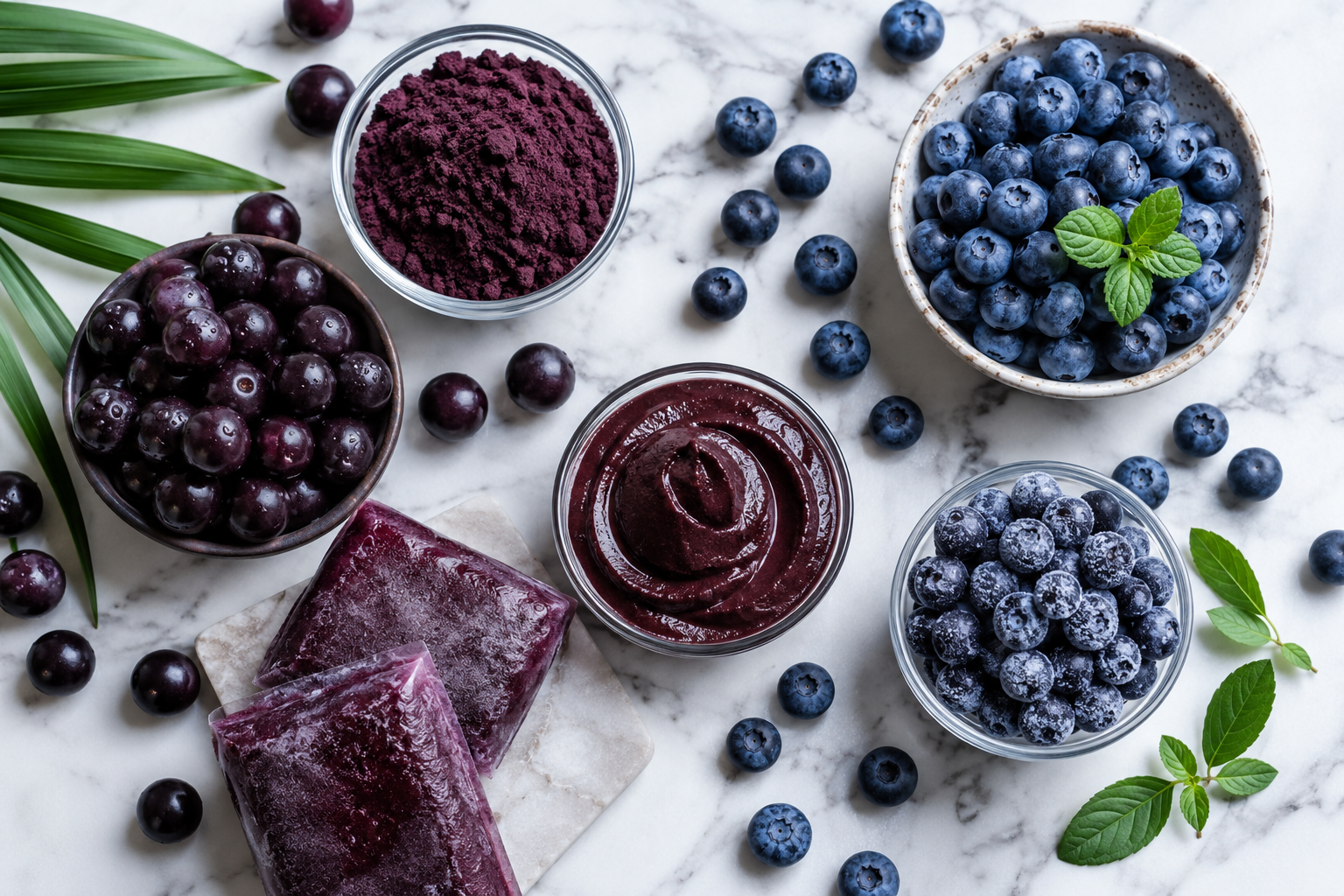
Acai and blueberries are both anthocyanin-rich berries, but acai delivers a distinctly different nutritional profile that makes it better suited for certain dietary goals.
| Nutrient (per 100g) | Acai (frozen pulp) | Blueberries (fresh) |
|---|---|---|
| Calories | ~75 | ~57 |
| Fat | 6g | 0.3g |
| Fiber | 5g | 2.4g |
| Sugar | ~2g | ~10g |
| Antioxidant level | Very high | High |
Choose acai if your goal is higher fiber, healthy fat intake, or lower sugar consumption. Choose blueberries if you want a lower-calorie option that’s fresh, affordable, and widely available year-round. Both berries belong in a health-focused diet, they’re complementary, not competing.
Acai Bowl vs. Acai Smoothie: Which Is Healthier
An acai smoothie is generally lower in calories than an acai bowl, but neither is automatically “healthier”, the toppings and added ingredients determine the final nutritional outcome.
Acai bowl: A thick blended base of frozen acai pulp topped with granola, fruit, honey, nut butter, and coconut flakes. The bowl format encourages slower eating and higher fiber intake from toppings, but commercial versions can exceed 600-800 calories depending on portion size and toppings.
Acai smoothie: A blended drink using acai pulp or powder with liquid (almond milk, coconut water) and fruit. Easier to control calories and sugar, and faster to prepare.
Common mistake: Assuming any acai bowl is a low-calorie meal. A standard cafe acai bowl with granola, banana, and honey can contain as much sugar as a dessert. Build your own bowl at home to control what goes in.
Acai Powder vs. Fresh Acai: Which Form Is Better
Fresh acai berries spoil within 24 hours of harvest and are rarely available outside Brazil [1]. For most consumers globally, the practical choice is between frozen pulp and acai powder.
- Frozen pulp: Closest to fresh in taste and texture. Retains most of the original nutritional profile. Best for bowls and smoothies.
- Acai powder: Made by freeze-drying pulp, which concentrates nutrients. Convenient for travel, baking, or adding to yogurt. Slightly higher antioxidant concentration per gram due to water removal.
- Acai juice: Often diluted and may contain added sugars. Check labels carefully.
Bottom line: Frozen pulp and powder are nutritionally comparable for most purposes [4]. Choose powder for convenience and portability; choose frozen pulp for texture and a more authentic eating experience.
How to Make an Acai Bowl at Home
Making an acai bowl at home takes under 10 minutes and costs significantly less than cafe versions. The base requires only two ingredients.
Basic acai bowl recipe:
- Thaw one 100g packet of frozen unsweetened acai pulp for 2-3 minutes
- Blend the pulp with 60-90ml of unsweetened almond milk or coconut water until thick and smooth (use as little liquid as possible to keep the base spoonable)
- Pour into a bowl immediately
- Add toppings: sliced banana, fresh berries, a tablespoon of granola, and a light drizzle of honey
Smart topping choices to keep it nutritious:
- Sliced banana or mango (natural sweetness, no added sugar)
- Hemp seeds or chia seeds (protein and omega-3s)
- Unsweetened coconut flakes
- A small amount of nut butter for healthy fat
Avoid: Pre-sweetened granola, flavored syrups, or large quantities of dried fruit, which add concentrated sugar quickly.
Acai for Athletes and Fitness Recovery
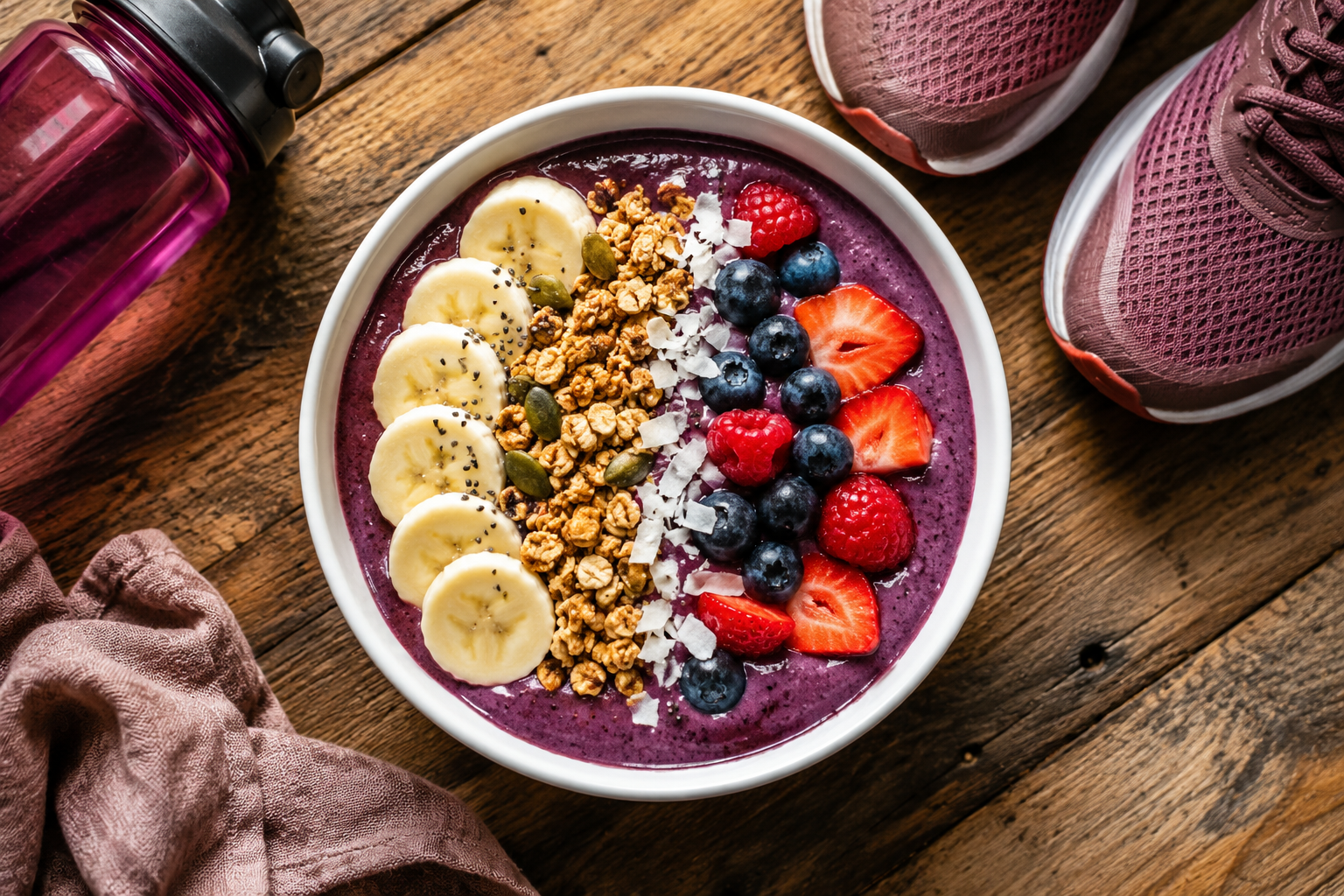
Acai is a practical recovery food for athletes because its anthocyanins have anti-inflammatory properties that may reduce exercise-induced oxidative stress. Consuming acai after intense training may support faster muscle recovery, though research specific to athletic populations is still developing.
The berry’s combination of carbohydrates, fiber, and healthy fats also makes it a useful pre-workout option when paired with a protein source. Its low sugar content (roughly 2g per 100g of frozen pulp) means it won’t cause the energy spike-and-crash associated with high-sugar sports foods [2].
For athletes, acai works best as:
- A post-workout smoothie base blended with protein powder
- A pre-training bowl topped with banana and nut butter for sustained energy
- A daily antioxidant source to support long-term training adaptation
Can Acai Help with Weight Loss
Acai alone will not cause weight loss, but it can support a calorie-controlled diet in practical ways. Its high fiber content promotes satiety, and its low sugar content makes it a better fruit choice than many alternatives for people managing blood sugar or caloric intake [1].
The risk is the opposite: heavily topped acai bowls marketed as “health food” can be calorie-dense. A 500-calorie acai bowl is not inherently better for weight loss than a balanced meal of similar calories.
Acai supports weight management when:
- Used as a base with controlled, low-calorie toppings
- Replacing higher-sugar, lower-fiber breakfast options
- Consumed as part of a diet that prioritizes whole foods and adequate protein
Acai Side Effects and Who Should Avoid It
Acai is generally safe for most adults when consumed in normal food amounts. However, there are specific situations where caution is warranted.
Known concerns:
- MRI interference: Acai may affect MRI imaging results. Avoid consuming it before an MRI procedure [6].
- Allergies: People allergic to other palm fruits or pollen may experience cross-reactive symptoms.
- Blood thinners: Acai’s antioxidant compounds may interact with anticoagulant medications; consult a doctor if relevant.
- Pregnancy: No established safety data for high-dose acai supplements during pregnancy. Food-form acai in normal quantities is generally considered low-risk, but supplement use should be discussed with a healthcare provider.
Who should be cautious:
- Anyone scheduled for an MRI scan
- People taking blood-thinning medications
- Those with known tropical fruit allergies
Acai Sustainability and Environmental Impact
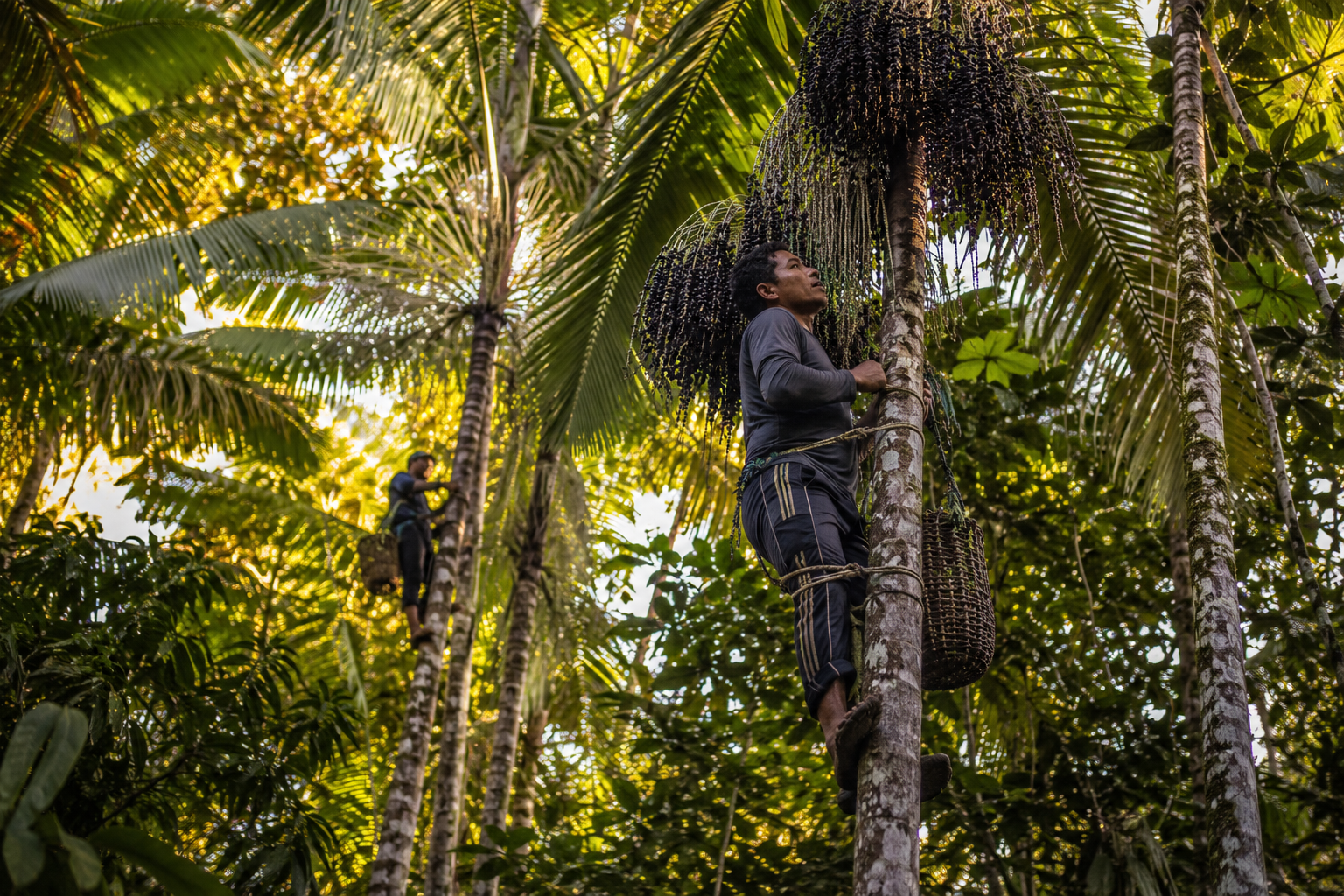
Acai is actually one of the more environmentally responsible superfoods available. Acai palms grow naturally in the Amazon floodplain and are harvested without clearing forest, making acai harvesting a direct economic incentive for forest preservation rather than deforestation.
The global acai berry market is projected to grow from USD 10 billion in 2026 to USD 23.4 billion by 2036, driven by demand for plant-based, antioxidant-rich nutrition across food, beverage, supplement, and cosmetic applications [3][5]. This growth has increased pressure on supply chains, making sourcing transparency increasingly important.
What to look for when buying acai:
- Certified organic or sustainably sourced labels
- Brands that work directly with Amazon cooperatives
- Minimal processing and no added sugar in frozen pulp products
The carbon footprint of frozen acai shipped internationally is higher than locally grown berries, so pairing acai consumption with a generally plant-forward diet keeps the overall environmental impact reasonable.
Is Acai Actually as Healthy as People Say
Acai genuinely earns its superfood status based on measurable nutritional properties, but the marketing around it has inflated expectations beyond what the evidence supports. The honest answer is: yes, acai is exceptionally nutritious, and no, it is not a miracle cure.
What acai does reliably:
- Delivers a high dose of dietary antioxidants, particularly anthocyanins [1]
- Provides fiber, healthy fats, and micronutrients in a low-sugar package [2]
- Fits easily into a variety of diets (vegan, paleo, gluten-free)
What acai does not do:
- Reverse chronic disease on its own
- Produce dramatic weight loss
- Replace a varied, whole-food diet
The most accurate framing is that acai is one of the best single foods available for antioxidant intake, and it belongs in a balanced diet rather than being treated as a standalone health solution.
Conclusion
Acai wears the crown of the superfoods not because of marketing, but because its nutritional profile is genuinely difficult to match: high antioxidants, meaningful fiber, healthy fats, and low sugar in a single food. The evidence supports its role in cardiovascular health, cognitive protection, and digestive function, even as researchers continue building the clinical picture.
Actionable next steps:
- Start with frozen unsweetened acai pulp from a reputable brand. Check that the only ingredient is acai.
- Make your own bowls at home to control calories and sugar. Use the simple recipe above as a baseline.
- Add acai powder to your daily routine if convenience is a priority, blend it into smoothies or stir it into yogurt.
- Pair acai with other whole foods rather than treating it as a standalone health solution.
- Check sourcing labels to support sustainable Amazon harvesting practices.
Acai’s global market trajectory and sustained scientific interest confirm that this berry’s moment is not a trend, it’s a long-term fixture in evidence-based nutrition.
FAQ
What does acai taste like? Acai has a rich, earthy flavor that combines elements of dark chocolate and wild berries. It is less sweet than most fruits, which is part of why it pairs well with honey or banana as natural sweeteners.
How much acai should you eat per day? A typical serving is one 100g packet of frozen pulp or one to two tablespoons of acai powder. There is no established upper limit for food-form acai, but moderation is sensible given the calorie content of full acai bowls.
Is acai safe to eat every day? Yes, for most healthy adults, daily consumption of food-form acai in normal quantities is considered safe. People on blood-thinning medications or those scheduled for an MRI should consult a doctor [6].
Where can you buy acai? Frozen acai pulp packets are available at most major grocery stores, health food stores, and online retailers. Acai powder is widely available in supplement and health food sections. Prices typically range from USD 2-4 per 100g packet for frozen pulp.
Does acai have caffeine? No. Acai berries do not contain caffeine.
Is acai powder as nutritious as frozen pulp? Acai powder is nutritionally comparable to frozen pulp and may have a slightly higher antioxidant concentration per gram due to water removal during freeze-drying [4]. Both are good options.
Can children eat acai? Yes. Food-form acai is safe for children. Avoid high-dose acai supplements for children without medical guidance.
Does acai interact with medications? Acai may interact with anticoagulant (blood-thinning) medications. It can also interfere with MRI imaging results [6]. Consult a healthcare provider if either situation applies.
What is the difference between acai pulp and acai juice? Acai pulp retains the full fiber and fat content of the berry. Acai juice is often diluted and may have added sugars, which reduces its nutritional advantage. Pulp is the better choice for health purposes.
Why is acai so expensive? Acai palms grow only in the Amazon floodplain, and the berries spoil within 24 hours of harvest [1]. Processing into frozen pulp or powder, combined with international shipping, drives the cost. Prices have moderated as supply chains have matured.
References
[1] Acai Benefits – https://health.clevelandclinic.org/acai-benefits?utm_source=openai
[2] Benefits Of Acai Berries – https://www.healthline.com/nutrition/benefits-of-acai-berries?utm_source=openai
[3] Acai Berry Market Outlook 2026 2036 Global Market To Reach Usd 2 1140820 – https://www.accessnewswire.com/newsroom/en/business-and-professional-services/acai-berry-market-outlook-2026-2036-global-market-to-reach-usd-2-1140820?utm_source=openai
[4] Global Acai Berry Market To Reach Usd 23359 8 Million By 2036 Driven By Functional Nutrition Fmi Report – https://www.newstrail.com/global-acai-berry-market-to-reach-usd-23359-8-million-by-2036-driven-by-functional-nutrition-fmi-report/?utm_source=openai
[5] 893658273 Acai Berry Market Forecast 2026 2036 Global Market To Reach Usd 23 359 8 Million By 2036 At 8 8 Cagr – https://www.foodindustryreview.com/article/893658273-acai-berry-market-forecast-2026-2036-global-market-to-reach-usd-23-359-8-million-by-2036-at-8-8-cagr?utm_source=openai
[6] What Is Acai – https://www.goodhousekeeping.com/health/diet-nutrition/a47009/what-is-acai/?utm_source=openai
