

Last updated: July 4, 2026
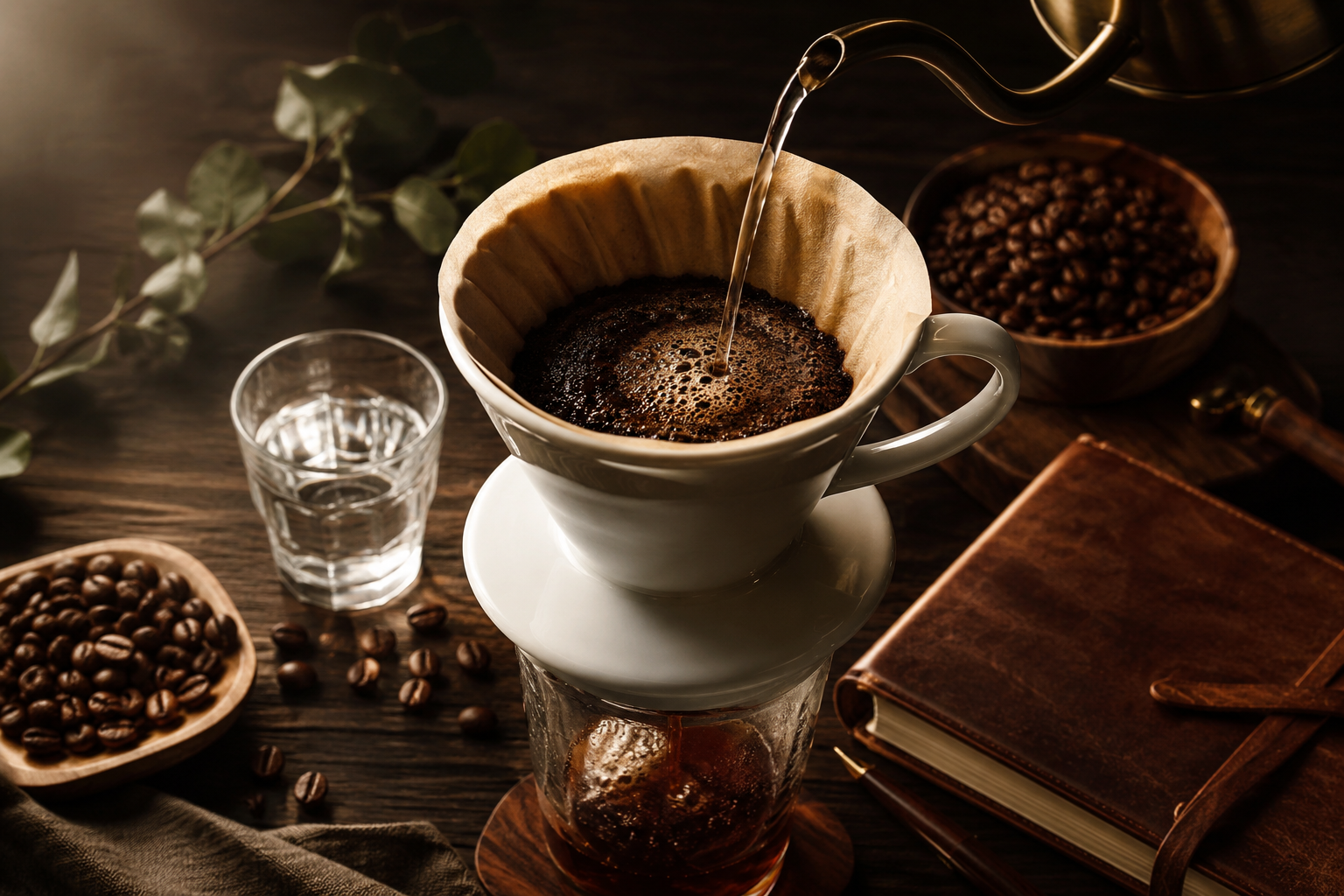
Quick Answer: Gourmet coffee refers to high-quality coffee made from specialty-grade beans, carefully sourced, roasted, and brewed to highlight distinct flavors. It differs from regular coffee in traceability, processing standards, and taste complexity. This guide to gourmet coffee covers everything from choosing beans to brewing methods, storage, and flavor identification, whether you’re a beginner or a seasoned home barista.
Key Takeaways
- Gourmet coffee uses specialty-grade beans scoring 80 or above on the Specialty Coffee Association’s 100-point scale, compared to commodity-grade beans used in standard coffee.
- As of 2025, 49% of Americans consumed gourmet coffee beverages, surpassing traditional coffee consumption by 31% [2].
- The global specialty coffee market is projected to grow from $111.5 billion in 2025 to $251.7 billion by 2033, driven by younger consumers and rising quality awareness [1].
- Single-origin coffees offer traceable, distinct flavor profiles; blends provide consistency and balance.
- Water temperature (195-205°F / 90-96°C) and grind size are the two variables most likely to make or break a cup.
- Premium-tier bags priced $25-$40 receive the highest average customer ratings (4.19 out of 5) among independent U.S. roasters [7].
- Proper storage in an airtight, opaque container at room temperature extends bean freshness significantly.
- Common beginner mistakes include using pre-ground beans, wrong water temperature, and skipping a kitchen scale.
What Makes Coffee Gourmet vs Regular Coffee
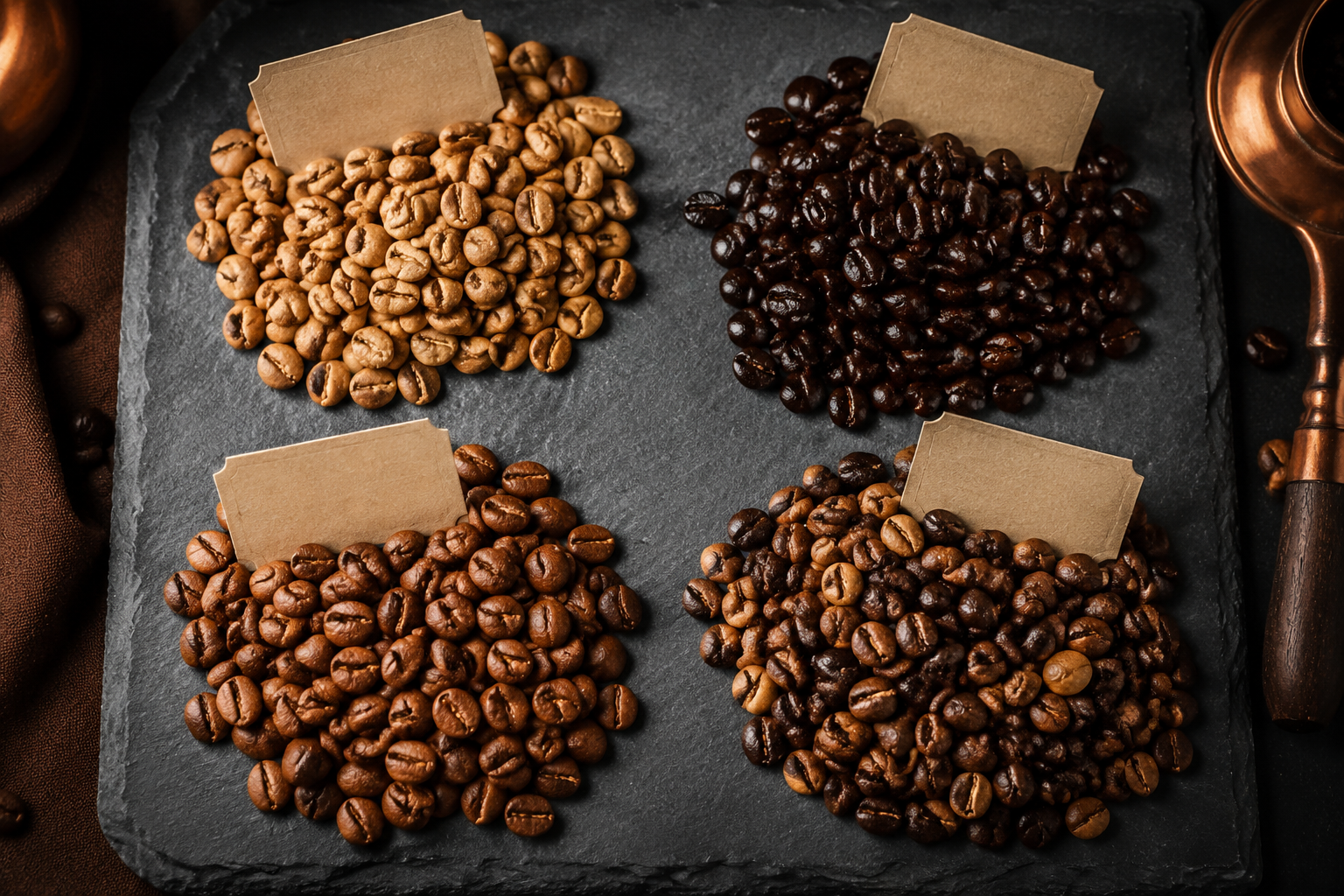
Gourmet coffee is defined by bean quality, sourcing transparency, and the care taken at every stage from farm to cup. Regular commercial coffee typically uses commodity-grade beans blended for volume and consistency, often masking defects with dark roasting. Gourmet coffee, by contrast, uses beans that score 80 points or higher on the Specialty Coffee Association’s 100-point quality scale.
Key differences include:
- Bean grade: Specialty beans are hand-sorted and free of primary defects.
- Traceability: Gourmet coffee often names the farm, region, altitude, and processing method on the bag.
- Roast approach: Small-batch roasters calibrate roast profiles to the specific bean, not to a generic dark-roast formula.
- Freshness: Specialty roasters print roast dates; most supermarket bags do not.
- Flavor complexity: Gourmet cups express terroir, the soil, climate, and altitude of origin, producing notes like stone fruit, jasmine, or dark chocolate rather than a flat, bitter baseline.
Sustainability also plays a growing role. Certifications like Fair Trade and Rainforest Alliance are increasingly important to buyers, and ethical sourcing is now a standard expectation in the specialty segment [4].
Is Expensive Gourmet Coffee Actually Better
Higher price does correlate with higher quality, but only up to a point. Data from 63,023 coffees across 7,744 independent U.S. roasters shows that bags priced $25-$40 earn the highest average customer ratings at 4.19 out of 5, while ultra-premium bags above $50 show diminishing returns in satisfaction scores [7]. The median bag price across independent roasters is $18.
Choose a $25-$40 bag if you want the best quality-to-value ratio. Below $15, you’re likely getting commodity-grade beans regardless of the marketing language on the label.
Price is not the only signal. Look for:
- A printed roast date (not a “best by” date)
- Named origin (country, region, or farm)
- Processing method listed (washed, natural, honey)
- A roaster with a verifiable sourcing story
Single Origin vs Blend Gourmet Coffee
Single-origin coffees come from one specific farm, cooperative, or region, making them ideal for tasting distinct flavor profiles tied to geography. Blends combine beans from multiple origins to achieve a consistent, balanced cup year-round.
Single origin is better if you want to explore flavor nuances, enjoy seasonal variety, or are learning to identify tasting notes. Blends are better if you want a consistent espresso base, plan to add milk, or prefer a balanced, predictable flavor.
Neither is objectively superior. Many top-rated espresso blends are crafted with the same precision as single-origin pour-overs. The choice depends on your brewing method and flavor preference.
Best Gourmet Coffee Beans to Buy
The best gourmet coffee beans depend on your preferred flavor profile and brewing method. Ethiopian beans (especially from Yirgacheffe or Sidama) are known for floral and berry notes. Colombian beans offer balanced sweetness and mild acidity. Sumatran beans produce earthy, full-bodied cups. Guatemalan and Costa Rican beans often fall in the middle, with chocolate and citrus notes.
When buying, prioritize:
- Independent roasters over supermarket brands. The U.S. specialty market is highly fragmented, with the top 10 brands holding only 2.8% market share, meaning small roasters dominate quality [7].
- Roast date within 2-4 weeks of your purchase date.
- Light to medium roasts for pour-over or drip; medium to dark for espresso or French press.
Subscription services from roasters like Onyx Coffee Lab, Counter Culture, or Trade Coffee are worth considering if you want curated selections delivered fresh.
Gourmet Coffee Subscription Services: Worth It
Gourmet coffee subscriptions are worth it for most regular drinkers who consume at least 250g (roughly 12-18 cups) per week. They solve the freshness problem by shipping beans shortly after roasting, often within 48-72 hours.
Benefits include:
- Consistent access to fresh, specialty-grade beans
- Discovery of new origins and roasters
- Often cheaper per bag than buying retail at a café
The main downside is commitment. If you travel frequently or drink inconsistently, beans may go stale between deliveries. Most services allow you to pause or adjust frequency, which makes them flexible enough for most households.
Gourmet Coffee for Beginners: Where to Start
Start with a medium-roast single-origin bean from Colombia or Brazil, as these origins tend to be forgiving, approachable, and widely available. A guide to gourmet coffee for beginners should emphasize three foundational purchases before anything else: a burr grinder, a kitchen scale, and a simple brewing device like a French press or pour-over dripper.
Beginner starter checklist:
- Buy whole beans with a visible roast date.
- Grind only what you need, immediately before brewing.
- Use filtered water heated to 200°F (93°C).
- Weigh your coffee: a standard ratio is 1:15 (1g coffee to 15g water).
- Start with a French press or a Chemex for easy, forgiving results.
Avoid flavored coffees initially. They mask the natural characteristics of the bean and make it harder to develop your palate.
Best Gourmet Coffee Brewing Methods: Espresso, Pour Over, French Press
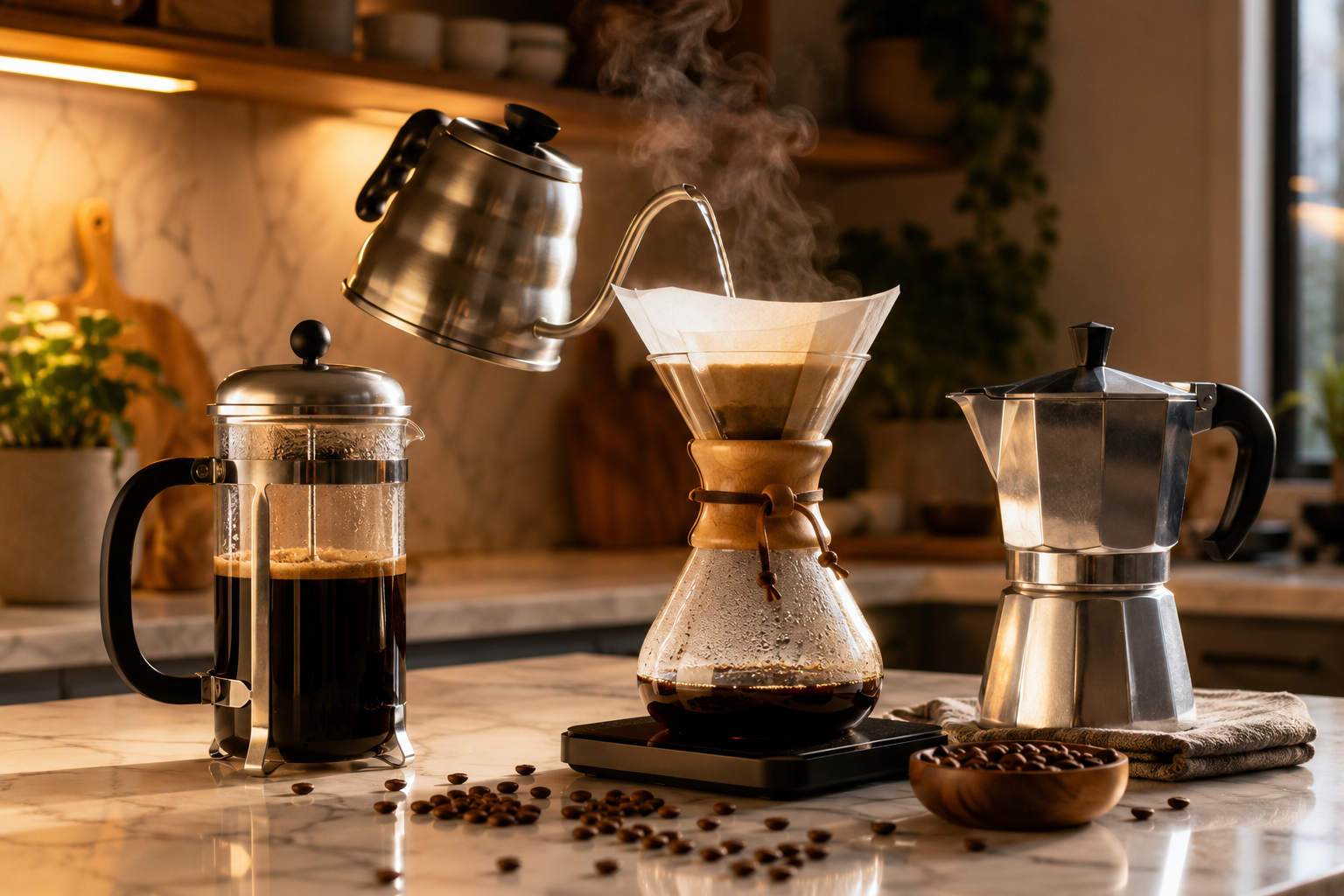
Each brewing method extracts coffee differently, producing distinct flavor profiles. There is no single best method, only the best method for your taste and lifestyle.
| Method | Flavor Profile | Effort Level | Best For |
|---|---|---|---|
| Espresso | Concentrated, bold, crema | High | Milk drinks, intensity |
| Pour Over | Clean, bright, nuanced | Medium | Single origin, tasting notes |
| French Press | Full-bodied, rich, textured | Low | Beginners, dark roasts |
| AeroPress | Versatile, smooth, low acidity | Low-Medium | Travel, experimentation |
| Cold Brew | Sweet, low acid, smooth | Low (long steep) | Hot weather, meal prep |
What Grind Size for Gourmet Coffee
Grind size directly controls extraction speed and flavor balance. Using the wrong grind is one of the most common reasons a good bean produces a disappointing cup.
- Coarse grind: French press, cold brew
- Medium-coarse grind: Chemex, Clever Dripper
- Medium grind: Drip machine, AeroPress (long steep)
- Medium-fine grind: Pour over (V60, Kalita Wave)
- Fine grind: Espresso, Moka pot
Always use a burr grinder, not a blade grinder. Blade grinders produce uneven particle sizes, which causes simultaneous over-extraction and under-extraction, resulting in bitter and sour flavors in the same cup.
Gourmet Coffee Water Temperature and Timing
Water temperature between 195°F and 205°F (90-96°C) is the standard range for brewing gourmet coffee. Water below 195°F under-extracts the coffee, producing a sour, weak cup. Water above 205°F over-extracts, pushing bitter compounds into the cup.
Timing by method:
- Pour over: 3-4 minutes total
- French press: 4 minutes steep
- Espresso: 25-30 seconds extraction
- Cold brew: 12-24 hours at room temperature or refrigerator
If you don’t have a thermometer, bring water to a boil and let it rest for 30-45 seconds. That typically brings it to approximately 200°F (93°C).
How to Store Gourmet Coffee Beans Properly
Store whole beans in an airtight, opaque container at room temperature, away from light, heat, and moisture. Do not store coffee in the refrigerator or freezer for everyday use. Repeated temperature cycling as you open and close the container causes condensation, which accelerates staling.
Storage rules:
- Buy in quantities you’ll use within 2-3 weeks of the roast date.
- Keep beans in their original valve bag if it has a one-way CO2 valve, or transfer to a dedicated airtight canister.
- Avoid clear glass containers on countertops exposed to sunlight.
- Freeze only if you’re storing a large batch long-term, and freeze in single-use portions you won’t reopen repeatedly.
Common Mistakes When Making Gourmet Coffee
Even with excellent beans, small errors consistently ruin the cup. A guide to gourmet coffee would be incomplete without addressing these directly.
Most common mistakes:
- Buying pre-ground coffee: Ground coffee goes stale within 15-30 minutes of grinding. Always grind fresh.
- Ignoring the roast date: Beans are best between 7 and 21 days post-roast. Older beans produce flat, hollow cups.
- Eyeballing measurements: A 10% variation in coffee-to-water ratio noticeably changes strength and balance. Use a scale.
- Using tap water with heavy chlorine: Chlorine suppresses flavor. Use filtered or bottled water.
- Skipping the bloom: For pour-over and drip, pour a small amount of water over the grounds first and wait 30 seconds. This releases trapped CO2 and improves even extraction.
- Storing in the freezer daily: As noted above, condensation from repeated opening damages bean quality fast.
Gourmet Coffee Prices Compared to Instant Coffee
The price gap between gourmet and instant coffee is real but smaller per cup than most people assume. A $20 bag of specialty whole-bean coffee (250g) yields roughly 15-17 cups at a standard 15g dose, putting the per-cup cost at approximately $1.20-$1.35. Premium instant coffee costs $0.40-$0.80 per cup, while budget instant can be as low as $0.10-$0.20.
The quality difference, however, is substantial. Instant coffee is made from lower-grade beans processed through spray-drying or freeze-drying, which strips most of the aromatic compounds that define gourmet flavor. For the roughly $0.50-$1.00 per cup difference, most specialty coffee drinkers consider the upgrade worthwhile.
Away-from-home gourmet coffee (café purchases) represented 72.4% of specialty coffee consumption in 2025 [1], but home brewing remains the most cost-effective way to access quality.
Gourmet Coffee Tasting Notes: How to Identify Flavors
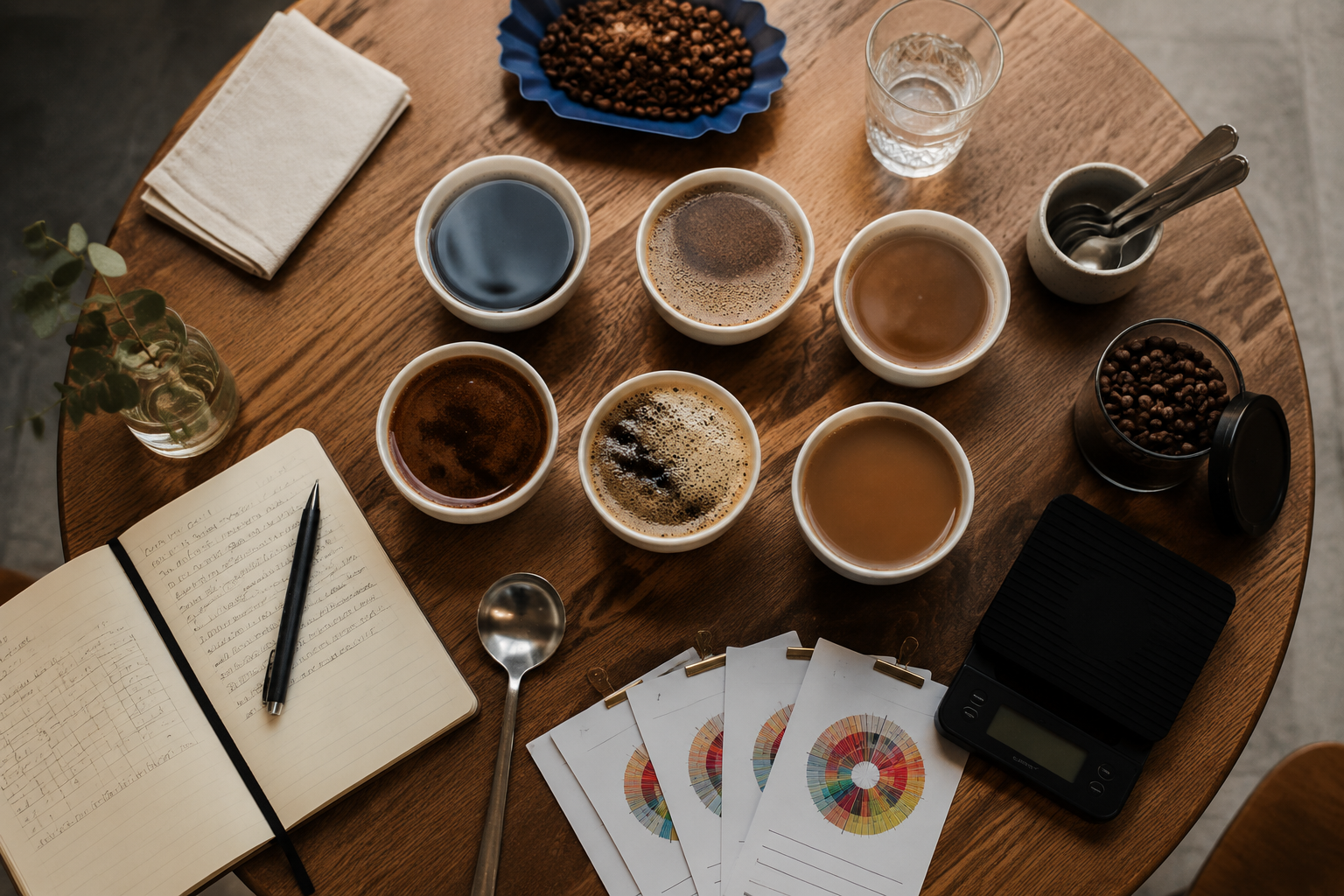
Tasting notes describe the flavors, aromas, and textures present in a coffee cup. They are not added ingredients but natural compounds that develop during growing, processing, and roasting. Learning to identify them is a skill that improves with deliberate practice.
A simple tasting framework:
- Aroma: Smell the dry grounds, then the brewed cup. Note any fruit, floral, nutty, or earthy impressions.
- Acidity: Does the coffee feel bright and lively (like lemon or apple) or flat?
- Body: Is the texture thin and tea-like, or heavy and coating?
- Sweetness: Does it finish with a natural sweetness, or is it bitter?
- Aftertaste: What lingers after you swallow?
Common tasting note categories include:
- Fruity: Blueberry, cherry, citrus, peach (common in Ethiopian naturals)
- Floral: Jasmine, rose, lavender (light roast Kenyan or Ethiopian washed)
- Chocolatey: Dark chocolate, cocoa, caramel (Brazilian, Colombian)
- Nutty/Earthy: Hazelnut, walnut, cedar, tobacco (Sumatran, Yemeni)
The Specialty Coffee Association’s flavor wheel is a useful reference tool for building vocabulary. Machine learning research has also begun mapping user review language to quantifiable quality metrics, suggesting that tasting note patterns are more consistent across trained and untrained drinkers than previously assumed [5].
Conclusion
A guide to gourmet coffee ultimately comes down to a few non-negotiable principles: start with quality beans, grind fresh, control your water temperature, and measure your ratios. The rest is refinement.
Actionable next steps:
- Buy a 250g bag of single-origin medium roast from an independent roaster with a printed roast date within the past two weeks.
- Invest in a burr grinder before any other equipment upgrade.
- Brew your first cup using a French press or pour-over with filtered water at 200°F and a 1:15 coffee-to-water ratio.
- Keep a simple tasting journal for three weeks. Note origin, roast date, brewing method, and two or three flavor impressions per cup.
- Explore a subscription service once you’ve identified the roast level and origin you prefer.
The specialty coffee market is expanding rapidly [1], and the range of high-quality, accessible options for home brewers has never been wider. Starting with the fundamentals covered here puts any drinker on a direct path from ordinary coffee to genuinely exceptional cups.
FAQ
What is gourmet coffee? Gourmet coffee uses specialty-grade beans (scoring 80+ on the SCA scale), sourced transparently, roasted in small batches, and brewed with attention to temperature, grind, and ratio. It differs from commodity coffee in quality, traceability, and flavor complexity.
How is gourmet coffee different from regular coffee? Regular commercial coffee uses commodity-grade beans blended for volume. Gourmet coffee prioritizes bean quality, single-origin or carefully crafted blends, freshness, and precise brewing, resulting in more complex and nuanced flavors.
What is the best grind size for pour-over coffee? A medium-fine grind works best for most pour-over methods like the V60 or Kalita Wave. Adjust slightly coarser if the brew tastes bitter, or finer if it tastes sour or weak.
How long do gourmet coffee beans stay fresh? Whole beans are best used within 7-21 days of the roast date. After 30 days, flavor noticeably degrades. Ground coffee goes stale within 15-30 minutes of grinding.
Is a burr grinder really necessary? Yes. Burr grinders produce consistent particle sizes, which is essential for even extraction. Blade grinders create uneven grounds that simultaneously over- and under-extract, producing bitter and sour flavors.
What water should be used for gourmet coffee? Filtered water is best. Tap water with high chlorine or mineral content can suppress or distort coffee flavors. Avoid distilled water, as it lacks the minerals needed for proper extraction.
Are gourmet coffee subscriptions worth the cost? For regular drinkers consuming 250g or more per week, subscriptions typically deliver fresher beans at comparable or lower prices than café retail. The main benefit is freshness and variety.
What does “single origin” mean on a coffee bag? Single origin means the beans come from one specific country, region, farm, or cooperative. It allows the roaster and drinker to trace the coffee’s flavor back to a specific geography and processing method.
How do I know if a coffee bag is actually specialty grade? Look for a printed roast date, named origin (not just “South American blend”), processing method, and a roaster with verifiable sourcing information. SCA-certified roasters or those who publish cupping scores are reliable indicators.
Why does gourmet coffee cost more than supermarket coffee? Higher prices reflect better bean selection, smaller production volumes, more careful processing and roasting, and shorter supply chains. Data shows that the $25-$40 price range delivers the highest customer satisfaction among independent roasters [7].
What is the bloom step in brewing? The bloom is a 30-second pre-infusion where a small amount of hot water saturates the grounds before the main pour. It releases trapped CO2 from freshly roasted beans, allowing water to extract flavor more evenly.
Can beginners taste the difference between gourmet and regular coffee? Most people can detect a clear difference on the first try, even without formal training. The absence of bitterness and the presence of natural sweetness or fruit notes in a well-brewed gourmet cup are immediately noticeable.
References
[1] Specialty Coffee Market Report – https://www.grandviewresearch.com/industry-analysis/specialty-coffee-market-report?utm_source=openai
[2] Statistic – https://info.premium.coffee/statistic.php?utm_source=openai
[4] Global Specialty Coffee Market – https://www.grandviewresearch.com/press-release/global-specialty-coffee-market?utm_source=openai
[5] arxiv – https://arxiv.org/abs/2509.18124?utm_source=openai
[7] Industry – https://mycoffeeexplorer.com/industry?utm_source=openai
