

Last updated: July 30, 2026
Quick Answer: Most grocery stores stock fewer than ten apple varieties, yet more than 7,500 named cultivars exist worldwide. Exploring unique apple varieties beyond the supermarket shelf this July 2026 means discovering richer flavors, unusual colors, and surprising textures that mass-market produce simply cannot offer. Farmers markets, specialty grocers, and pick-your-own orchards are the fastest ways to find them.
Key Takeaways
- Supermarkets typically carry six to ten apple varieties; the global catalog runs to thousands of cultivars [8]
- July is early in the apple season, but several specialty varieties do ripen in midsummer, including Lodi, Zestar, and Yellow Transparent [6]
- Heirloom and heritage apples often have more complex, tart, or wine-like flavors than modern commercial breeds
- Rare varieties cost more, typically $2 to $5 per pound at specialty markets, compared to $1 to $2 for supermarket staples
- Farmers markets, CSA farm shares, and online nurseries are the most reliable sources for unusual cultivars
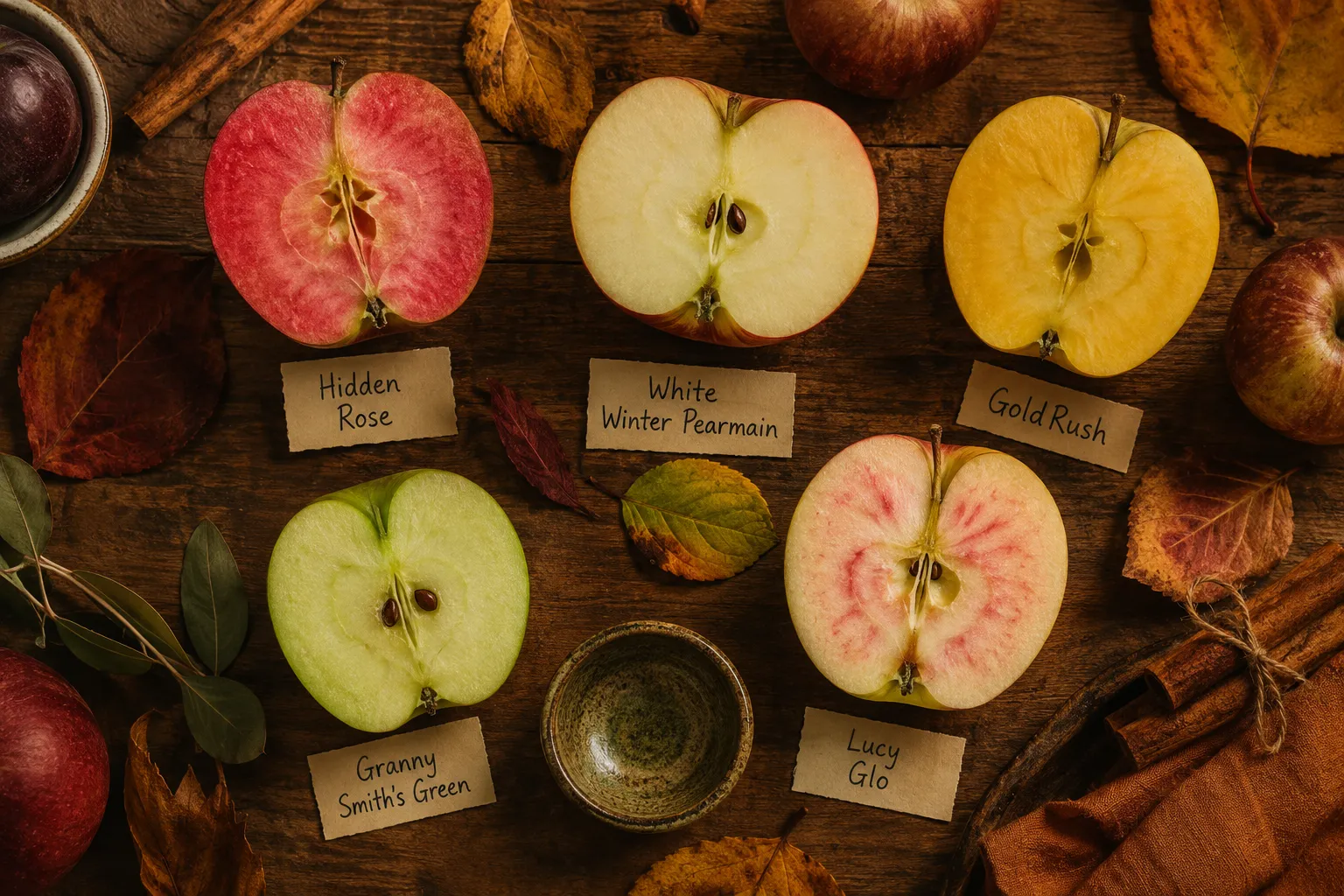
- Some rare apples, such as the Pink Pearl, have vivid pink or red flesh rather than the standard cream interior
- Heritage apples bred for flavor rather than shelf life tend to bruise faster, which is the main reason supermarkets avoid them
- Home growers can plant dwarf or semi-dwarf heirloom trees in most temperate climates with reasonable success
- For baking, tart varieties with firm flesh hold up better; for fresh eating, balance of sugar and acid matters most
- Climate change is already shifting which apple varieties ripen where and when [5]
Why Supermarkets Sell So Few Apple Varieties
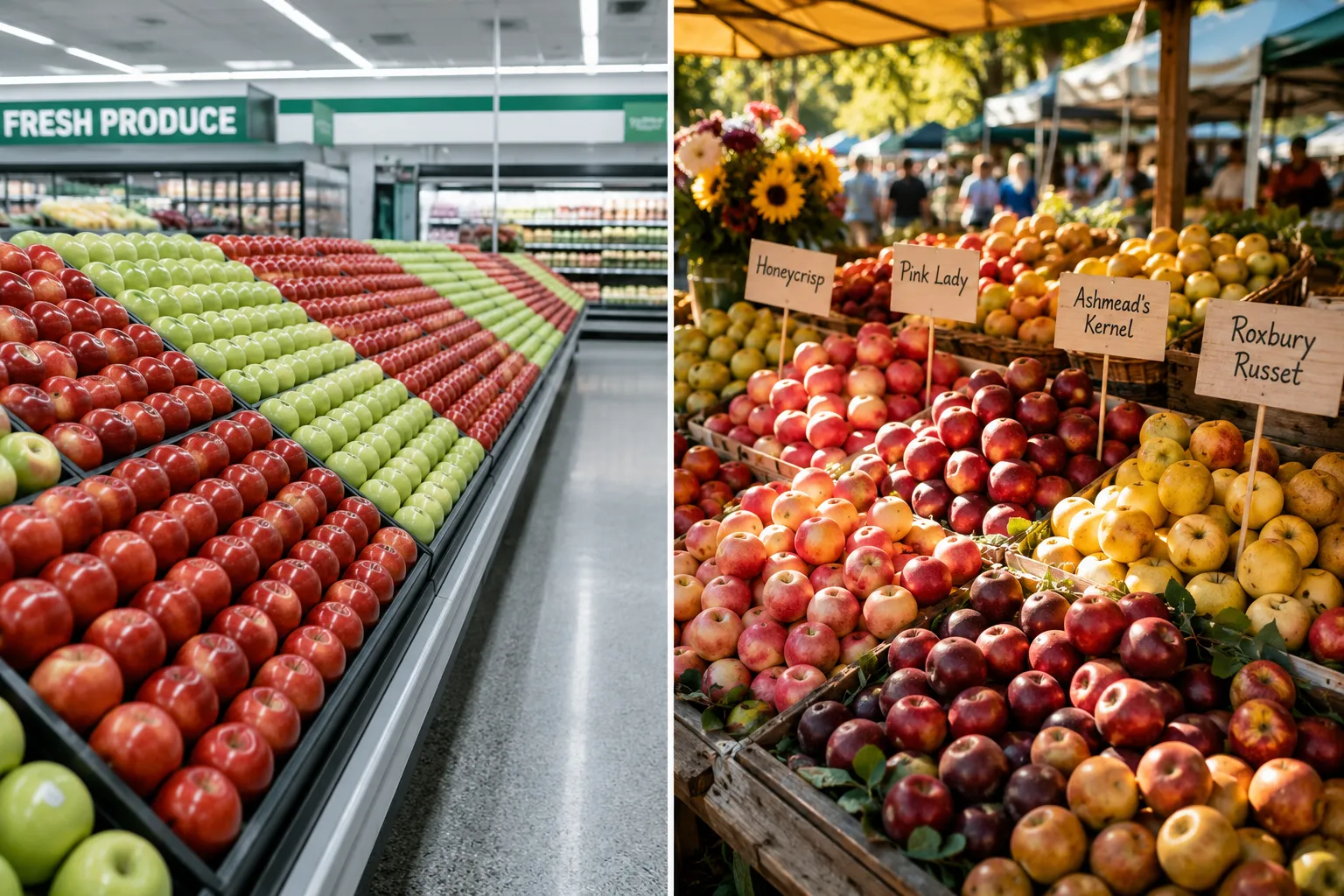
Supermarkets stock a narrow range of apples because commercial supply chains prioritize shelf life, uniform appearance, and long-distance shipping tolerance over flavor. A variety that bruises after two days or ripens unevenly is commercially unviable regardless of how good it tastes.
The economics are straightforward. Retailers want fruit that can sit in cold storage for weeks, travel hundreds of miles without damage, and look identical across a pallet. Varieties like Gala, Fuji, and Honeycrisp were selected or bred partly because they meet those criteria. According to the Wikipedia list of apple cultivars, thousands of named varieties exist globally [8], yet the U.S. retail market is dominated by roughly a dozen.
Common mistake: Many shoppers assume the apples in stores represent the best-tasting options. In reality, they represent the most logistically convenient ones.
What Are the Rarest Apple Varieties You Can Actually Buy
Several genuinely rare apple varieties are commercially available in 2026, though they require some effort to find. The Pink Pearl, Calville Blanc d’Hiver, Black Oxford, and Esopus Spitzenburg are among the most sought-after cultivars that specialty orchards still grow and sell.
Notable rare varieties worth seeking out:
- Pink Pearl: Developed in California in the 1940s, this apple has translucent pale green skin and vivid pink-to-red flesh. The flavor is tart and berry-like, unlike anything in a standard grocery store.
- Calville Blanc d’Hiver: A French heirloom dating to the 1600s, prized for its high vitamin C content and complex, wine-like flavor. It is one of the few apples historically noted for exceptional nutritional density.
- Black Oxford: A deep purple-black heirloom from Maine with dense, sweet flesh and an exceptionally long storage life, sometimes lasting into spring when kept cool.
- Esopus Spitzenburg: Reportedly Thomas Jefferson’s favorite apple, with a rich, spicy-sweet flavor and firm yellow flesh.
- Zestar: A University of Minnesota release that ripens in late July to early August, making it one of the earliest quality eating apples of the season [7].
How Do Heirloom Apples Taste Different From Grocery Store Apples
Heirloom apples generally offer more complex flavor profiles than modern commercial varieties. Where a Gala is reliably sweet and mild, an heirloom like Cox’s Orange Pippin delivers layers of nutty, honey, and citrus notes that shift as the fruit ripens.
The difference comes down to breeding priorities. Modern varieties were selected for sweetness, firmness, and visual appeal. Heirlooms were selected over centuries for flavor, regional adaptability, and culinary performance. Many contain higher levels of tannins and organic acids, which create the tartness, astringency, and depth that cider makers and serious cooks value.
“The diversity within apple genetics is extraordinary. Varieties range from nearly pure sweet to intensely tart, from crisp and dry to soft and juicy, from vanilla-scented to almost anise-like.”
Texture also varies widely. Some heirlooms, like the Newtown Pippin, are dense and almost chewy when fresh. Others, like the White Transparent, are soft and almost effervescent, best eaten within days of picking.
What Apples Are in Season in July
July is the opening of the apple season in most of North America, and only early-ripening varieties are available fresh from the tree. According to the North Carolina State University Apple Maturity Program, early-season monitoring in July 2026 focuses on varieties that mature before the main fall harvest rush [1].
Early-season apples typically available in July include:
- Lodi (Yellow Transparent): Ripens in late June to mid-July; soft, tart, excellent for applesauce
- Zestar: Ripens late July to early August; crisp, tangy-sweet, good for fresh eating [7]
- Pristine: A disease-resistant modern variety ripening in mid-July; yellow skin, mild sweet flavor
- Redfree: Early July ripening; red-striped skin, firm flesh, good disease resistance
- Beacon: A Minnesota-bred variety ripening in late July with a pleasant tart-sweet balance [7]
Fresh apple supplies in July 2026 are largely drawn from cold-storage stock of last year’s fall harvest, with new-crop early varieties beginning to appear at farm stands [4]. The Ontario crop update from July 24, 2026 confirms that early varieties are coming in on schedule in eastern Canada [9].
Where to Find Specialty Apples Near Me This Summer
The most reliable sources for unusual apple varieties in summer 2026 are pick-your-own orchards, local farmers markets, and specialty food stores. Online retailers and farm CSA (community-supported agriculture) shares are also strong options.
Practical steps to find rare apples locally:
- Search “pick your own apple orchard” plus your city or county name. Many orchards list their full variety roster online.
- Visit farmers markets early in the morning. Specialty growers sell out of unusual varieties quickly.
- Ask vendors directly. Even if a rare variety is not on display, orchardists often have additional stock or can tell you when a specific variety will be ready.
- Check orchard websites for harvest calendars. Rittman Orchards, for example, publishes a detailed apple chart showing which varieties are available by month [10].
- Join a local CSA that includes orchard shares. These often include varieties the farm grows for flavor rather than commercial sale.
For nutritional context on fruit and whole-food choices, see the health category at Virtual Article for related reading on diet and wellness.
How Much Do Rare Apple Varieties Cost
Rare and heirloom apple varieties typically cost between $2 and $5 per pound at specialty markets and farm stands, compared to $1 to $2 per pound for standard supermarket apples. Prices vary by region, season, and whether the fruit is certified organic.
The price premium reflects several real factors: lower yield per tree, higher labor costs for hand-harvesting fragile varieties, smaller production volumes, and the absence of the economies of scale that industrial growers enjoy. Some very limited varieties, sold at specialty food festivals or directly from small orchards, can reach $6 to $8 per pound.
Are heirloom apples worth the higher price? For fresh eating and culinary use, yes, if flavor complexity matters to you. For everyday snacking, the premium may not be justified. The best value is usually buying directly from the orchard, where you pay farm-gate prices rather than retail markups.
What Is the Difference Between Heritage and Modern Apple Breeds
Heritage (or heirloom) apples are varieties that predate the industrial era of apple breeding, generally before the mid-20th century. Modern breeds were developed through deliberate cross-breeding programs aimed at specific commercial traits like disease resistance, shelf life, and consistent appearance.
| Trait | Heritage Varieties | Modern Commercial Varieties |
|---|---|---|
| Flavor complexity | High; often tart, tannic, or wine-like | Moderate; optimized for sweetness |
| Shelf life | Variable; some very long, some very short | Engineered for extended storage |
| Disease resistance | Often lower | Often higher (bred-in resistance) |
| Visual uniformity | Low; irregular shapes and colors | High; consistent size and color |
| Availability | Specialty markets, orchards | All major supermarkets |
Climate change is also reshaping which varieties thrive where. A 2026 New York Times report noted that warming winters are forcing apple growers to reconsider which cultivars are viable in traditional growing regions, with some heritage varieties losing their required chill hours [5].
Which Unique Apples Are Best for Baking vs. Fresh Eating
For baking, choose firm, tart varieties that hold their shape and provide enough acidity to balance sugar. For fresh eating, the best apples balance sweetness and tartness with a satisfying texture.
Best for baking:
- Calville Blanc d’Hiver (holds shape, high acid)
- Newtown Pippin (firm, tart, classic pie apple)
- Northern Spy (dense flesh, excellent flavor when cooked)
- Granny Smith (widely available, reliably tart and firm)
Best for fresh eating:
- Pink Pearl (tart, berry-like, visually striking)
- Esopus Spitzenburg (rich, spicy-sweet, complex)
- Zestar (crisp, juicy, early-season fresh eating) [7]
- Cox’s Orange Pippin (nutty, aromatic, considered by many to be the finest fresh-eating apple)
Choose baking varieties if the recipe involves heat above 15 minutes. Soft varieties like Lodi will turn to mush. Choose fresh-eating varieties if the goal is a snack or salad where texture and raw flavor matter.
For ideas on pairing fresh seasonal produce with summer cooking, see the complete guide to barbeque maintenance for outdoor cooking context.
Can You Grow Unusual Apple Varieties at Home
Home growers can successfully grow heirloom and unusual apple varieties in most temperate climates. Dwarf and semi-dwarf rootstocks make it practical even in small gardens, and many heritage varieties are available from specialty nurseries online.
Key considerations for home growing:
- Chill hours: Most apple varieties require a set number of cold hours below 45°F each winter to fruit properly. Check that a variety’s chill hour requirement matches your local climate.
- Pollination: Most apples need a second compatible variety nearby for cross-pollination. Buy two varieties with overlapping bloom times.
- Disease resistance: Heritage varieties often have lower resistance to scab and fire blight. Research disease pressure in your region before choosing.
- Rootstock: Dwarf rootstocks (M.9, M.26) produce trees 6 to 10 feet tall, suitable for small yards. Standard rootstocks produce full-size trees that take longer to bear fruit.
The University of Minnesota’s apple breeding program offers several cold-hardy heirloom and modern varieties well-suited to northern climates, including Honeycrisp, Zestar, and SweeTango [7].
How to Identify Apple Varieties at Farmers Markets
Identifying apple varieties at farmers markets is easier than most people expect. Start by asking the grower directly, then use visual and taste cues to confirm.
Visual identification cues:
- Skin color and pattern: Solid red, striped, russeted (rough brown patches), or bicolor
- Shape: Oblate (flat), round, or conical; ribbed or smooth shoulders
- Size: Heritage varieties often run smaller and more irregular than commercial fruit
- Flesh color: Cut a small slice if the vendor allows; pink or red flesh is a strong identifier for varieties like Pink Pearl
Taste cues:
- High tannin (dry, slightly astringent) suggests a cider or heritage variety
- Intense floral aroma often indicates Cox’s Orange Pippin or similar aromatic cultivars
- Very high acid with low sugar points to cooking varieties
Rittman Orchards publishes a visual apple chart that matches variety names to appearance and season [10], which is a useful reference to bookmark before a market visit.
Which Rare Apples Have the Longest Shelf Life
Among rare and heirloom varieties, the Black Oxford and Newtown Pippin have exceptional shelf life, often lasting four to six months in cool storage. The Calville Blanc d’Hiver also stores well through winter.
Most early-season specialty varieties (Lodi, Zestar, Pristine) have very short shelf lives of one to two weeks, even refrigerated. This is one reason they rarely appear in supermarkets. If buying rare apples for storage, focus on late-season varieties harvested in October or November rather than July finds.
Edge case: Some heirloom varieties actually improve in flavor after several weeks of storage as starches convert to sugars. The Newtown Pippin is notably better in January than it is at harvest in October.
Conclusion
Exploring unique apple varieties beyond the supermarket shelf this July 2026 is one of the most accessible ways to expand both culinary knowledge and nutritional variety. The steps are practical: visit a local farmers market or pick-your-own orchard, ask growers what they have beyond the standard display, and try at least one unfamiliar variety.
Actionable next steps:
- Find the nearest pick-your-own orchard and check their variety list for July and August availability.
- Bookmark a variety reference like the Rittman Orchards apple chart [10] or the PickYourOwn harvest calendar [6] to know what to expect by season.
- Try one heirloom variety for fresh eating (Pink Pearl or Esopus Spitzenburg) and one for cooking (Calville Blanc or Northern Spy).
- If space allows, research planting a dwarf heritage tree this fall for future harvests.
- Check the health resources at Virtual Article for broader context on how diverse whole foods fit into a balanced diet.
The apple aisle at a grocery store is a starting point, not the destination. The full range of what this fruit can offer is waiting at the farm stand.
Frequently Asked Questions
What is the rarest apple variety in the world? The Bardsey Apple, found on a Welsh island in 1998, is often cited as one of the rarest, with very limited trees in existence. In North America, the Black Oxford and Esopus Spitzenburg are among the hardest to find commercially.
Are heirloom apples healthier than regular apples? Some heritage varieties, like the Calville Blanc d’Hiver, are historically noted for high vitamin C content. However, nutritional differences between varieties are modest. All apples provide fiber, antioxidants, and polyphenols. Diversity in variety is generally a positive for dietary variety.
Why does Pink Pearl apple have pink flesh? The pink flesh in Pink Pearl comes from high concentrations of anthocyanins, the same pigments that color red cabbage and blueberries. These compounds are also antioxidants. The variety was developed by Albert Etter in California around 1944.
Can I order rare apple varieties online? Yes. Several specialty nurseries ship bare-root trees, and some orchards ship fresh fruit in season. Search for “heirloom apple nursery” plus your country for current suppliers. Shipping fresh rare apples is limited by their short shelf life.
What is the sweetest rare apple variety? The Honeycrisp, now widely available, was once a specialty variety. Among genuinely rare options, the Wickson Crab is surprisingly sweet despite its small size, and the Ashmead’s Kernel develops a rich, nutty sweetness after storage.
How do I store rare apples after buying them? Refrigerate in the crisper drawer in a perforated plastic bag. Early-season varieties (Lodi, Zestar) last one to two weeks. Late-season heirlooms (Black Oxford, Newtown Pippin) can last months in cold, humid storage around 32 to 35°F.
What apple varieties are good for cider making? Bittersweet and bittersharp varieties bred for cider, such as Dabinett, Kingston Black, and Yarlington Mill, are the traditional choices. These are rarely eaten fresh due to high tannin levels but produce complex, balanced ciders.
Are there apple varieties with no sugar? No apple variety is sugar-free, but some are significantly lower in sugar than others. Granny Smith has one of the lower sugar-to-acid ratios among common varieties. For people monitoring sugar intake, tart varieties are generally better choices.
What is the best apple for someone who dislikes sweet fruit? Granny Smith is the most accessible tart option. Among specialty varieties, the Newtown Pippin, Cox’s Orange Pippin, and Calville Blanc offer tartness with complexity. The Kingston Black is extremely tart but is primarily a cider apple.
How is climate change affecting apple varieties? Warming winters are reducing chill hours in traditional apple-growing regions, making some heritage varieties less viable where they once thrived. Growers are increasingly experimenting with low-chill varieties and shifting production to higher elevations [5].
Where can I learn more about apple variety nutrition? For a broader look at how whole foods and supplements compare as nutritional sources, the guide to vitamins and supplements at Virtual Article provides useful context on whole-food nutrition versus supplementation.
What is the best way to taste-test apple varieties at a market? Ask the vendor for a sample slice. Most orchard vendors at farmers markets expect this and will cut a piece. Compare texture (crunch vs. soft), sweetness, acidity, and aftertaste. Bring a small notebook or use your phone to record which varieties you liked.
References
[1] 2026 Apple Maturity Program 72126 – https://apples.ces.ncsu.edu/news/2026-apple-maturity-program-72126/
[4] July 2026 Appletracker Fresh Apple Supplies – https://fruitgrowersnews.com/news/july-2026-appletracker-fresh-apple-supplies/
[5] New Apple Climate Change – https://www.nytimes.com/2026/03/21/us/new-apple-climate-change.html
[6] Apple Varieties By Harvest Date – https://www.pickyourown.org/apple-varieties-by-harvest-date.php
[7] Varieties – https://mnhardy.umn.edu/apples/varieties
[8] List Of Apple Cultivars – https://en.wikipedia.org/wiki/List_of_apple_cultivars
[9] What The Crop Apple Update July 24 2026 – https://onfruit.ca/2026/07/24/what-the-crop-apple-update-july-24-2026/
[10] Apple Chart – https://rittmanorchards.com/apple-chart/
