

Last updated: January 6, 2026
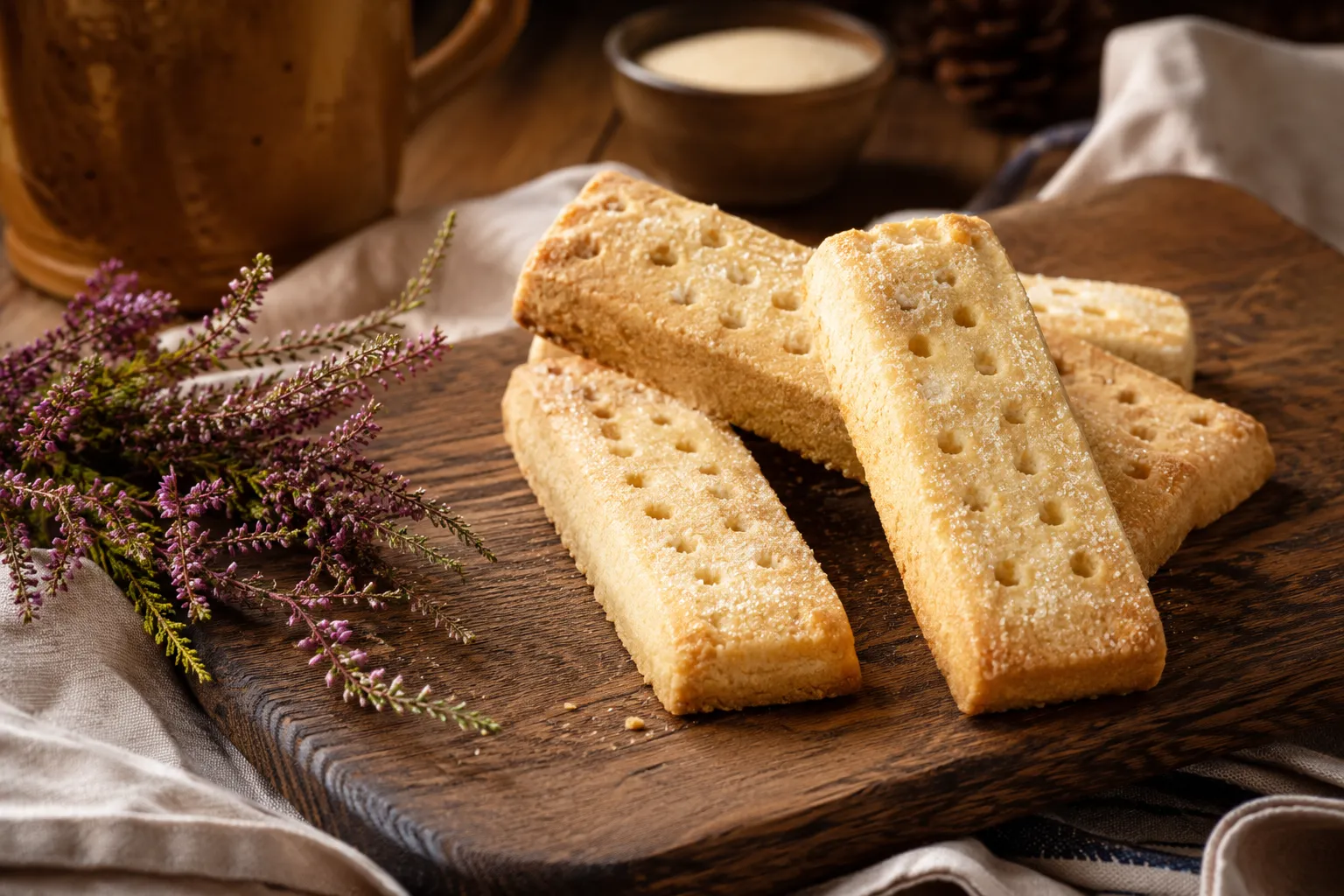
Quick Answer: January 6 National Shortbread Day is an unofficial annual food holiday celebrated on January 6 each year. It honors the rich history of shortbread, a buttery, crumbly biscuit with deep roots in Scottish baking tradition. The day is observed worldwide through baking, gifting, and sharing shortbread with family and friends. [1]
Key Takeaways
January 6 is recognized as National Shortbread Day, an unofficial food holiday celebrated globally each year [1]
The day is closely associated with Walker’s Shortbread, the iconic Scottish brand, which has helped popularize it as “National Walker’s Shortbread Day” [2]
Shortbread originated in Scotland and traditionally contains just three ingredients: butter, sugar, and flour
The holiday is not legislated by any government, it is a cultural and food-industry observance
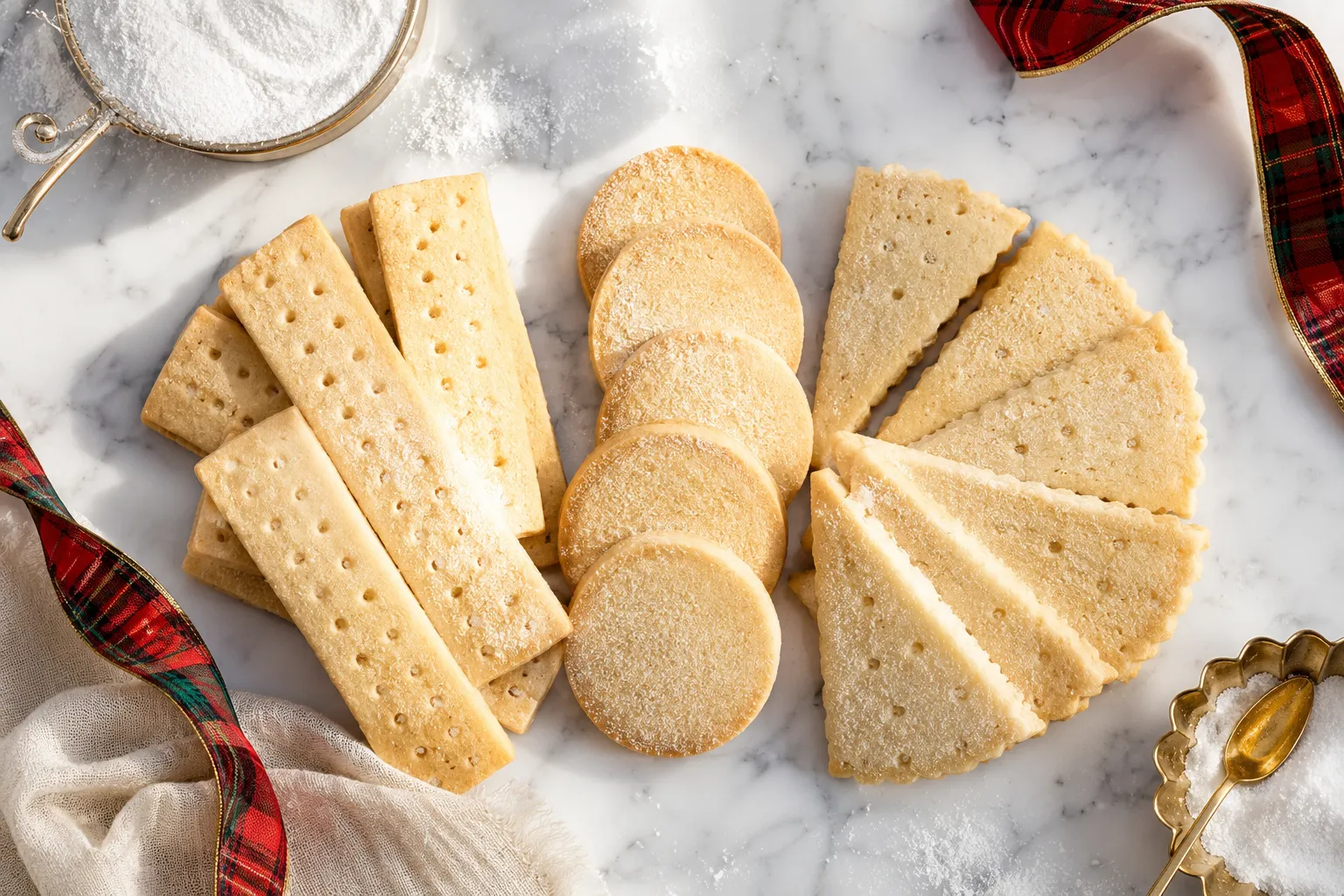
Classic shortbread comes in three shapes: fingers, rounds, and petticoat tails
Butter is the defining ingredient; substitutes change both texture and flavor significantly
Properly stored shortbread lasts up to two weeks at room temperature and up to three months in the freezer
The day falls on January 6, which also coincides with Epiphany (Twelfth Night), a traditional end-of-holiday-season marker in many cultures [3]
Celebration options include baking from scratch, buying from specialty brands, or hosting a shortbread tasting
What Is National Shortbread Day?
National Shortbread Day is an unofficial annual food holiday dedicated to celebrating shortbread, one of the world’s most beloved butter biscuits. The day encourages people to bake, share, and enjoy shortbread in its many forms, from classic Scottish fingers to decorated holiday rounds. [1]
Shortbread itself is a simple but precise bake. The traditional recipe uses a 1:2:3 ratio, one part sugar, two parts butter, three parts flour, producing a rich, crumbly texture unlike any standard cookie. Its origins trace back to medieval Scotland, where leftover bread dough was dried out and enriched with butter over time.
The holiday is informal and widely observed through social media, bakery promotions, and home baking. It is not a public holiday in any country, but it receives consistent coverage from food media, baking communities, and confectionery brands each year. [5]
When Is National Shortbread Day Celebrated?
National Shortbread Day falls on January 6 every year. The date is fixed, it does not shift by weekday or year. [3]
January 6 also marks Epiphany (also called Twelfth Night), the Christian feast day that traditionally closes the Christmas and New Year holiday season. The timing makes shortbread day a natural bridge between the festive period and the quieter weeks of mid-January, giving people one last reason to indulge before the new year settles in. [3]
The day has been listed on food holiday calendars through at least 2031, confirming its ongoing recognition in the informal food holiday community. [5]
Why Is January 6 Shortbread Day?
January 6 was designated as National Shortbread Day largely through the influence of Walker’s Shortbread, the Scottish biscuit company founded in 1898 in Aberlour, Scotland. The brand has actively promoted the date as “National Walker’s Shortbread Day,” using it as an annual platform to celebrate Scottish baking heritage and engage their global customer base. [2]
The choice of January 6 aligns with Epiphany, a culturally significant date in many countries. In Scotland and broader British tradition, January 6 marks the end of the Twelve Days of Christmas, a period historically associated with feasting and gift-giving. Shortbread has long been a traditional Scottish gift during the winter holiday season, making the date a natural fit. [3]
“Shortbread is one of Scotland’s most iconic exports, simple in ingredients, but demanding in technique.”
How to Make Shortbread for National Shortbread Day
Classic shortbread requires only three core ingredients and no special equipment. The basic ratio is one part sugar to two parts butter to three parts flour, measured by weight for best results.
Basic shortbread recipe (makes approximately 16 fingers):
100g caster sugar (superfine sugar)
200g unsalted butter, softened to room temperature
300g plain (all-purpose) flour, plus extra for dusting
Pinch of fine salt (optional but recommended)
Steps:
Preheat oven to 160°C (320°F) / 140°C fan.
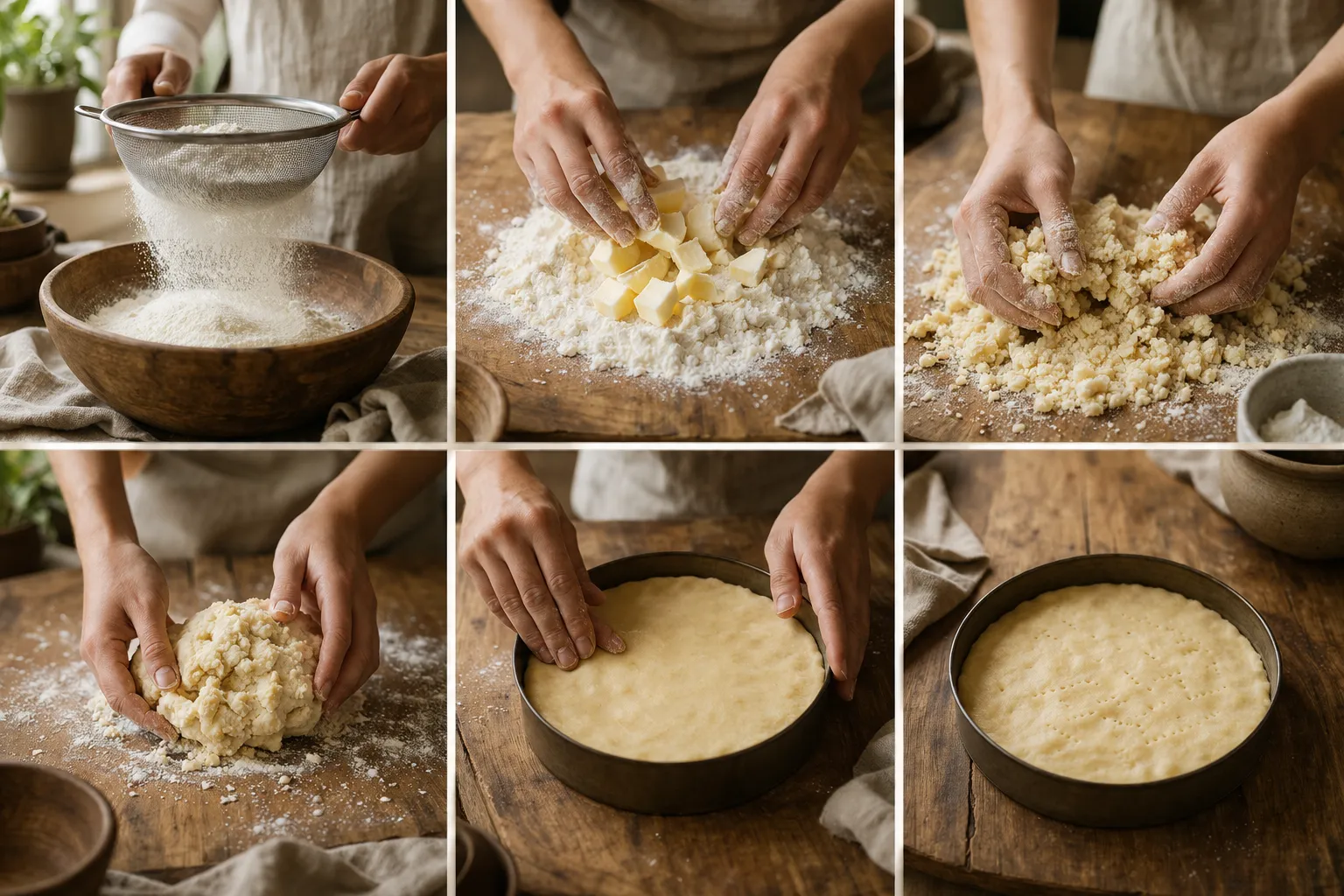
Beat butter and sugar together until pale and creamy, about 3 minutes by hand or 1 minute with a mixer.
Sift in flour and salt. Mix until the dough just comes together. Do not overwork it.
Press dough into a lined baking tin (approximately 20x30cm) or roll to 1cm thickness and cut into fingers.
Prick the surface with a fork to prevent puffing.
Chill in the refrigerator for 20 minutes before baking.
Bake for 20 to 25 minutes until pale golden, not brown.
Dust with caster sugar immediately after removing from the oven. Cool in the tin.
Beginner tips:
Use cold-pressed, high-fat European-style butter for the richest flavor
Do not substitute margarine, the water content ruins the texture
Underbaking slightly is better than overbaking; shortbread firms as it cools
Rice flour (substituting 25% of the plain flour) adds a finer, sandier crumb
Scottish Shortbread vs Regular Shortbread: What Is the Difference?
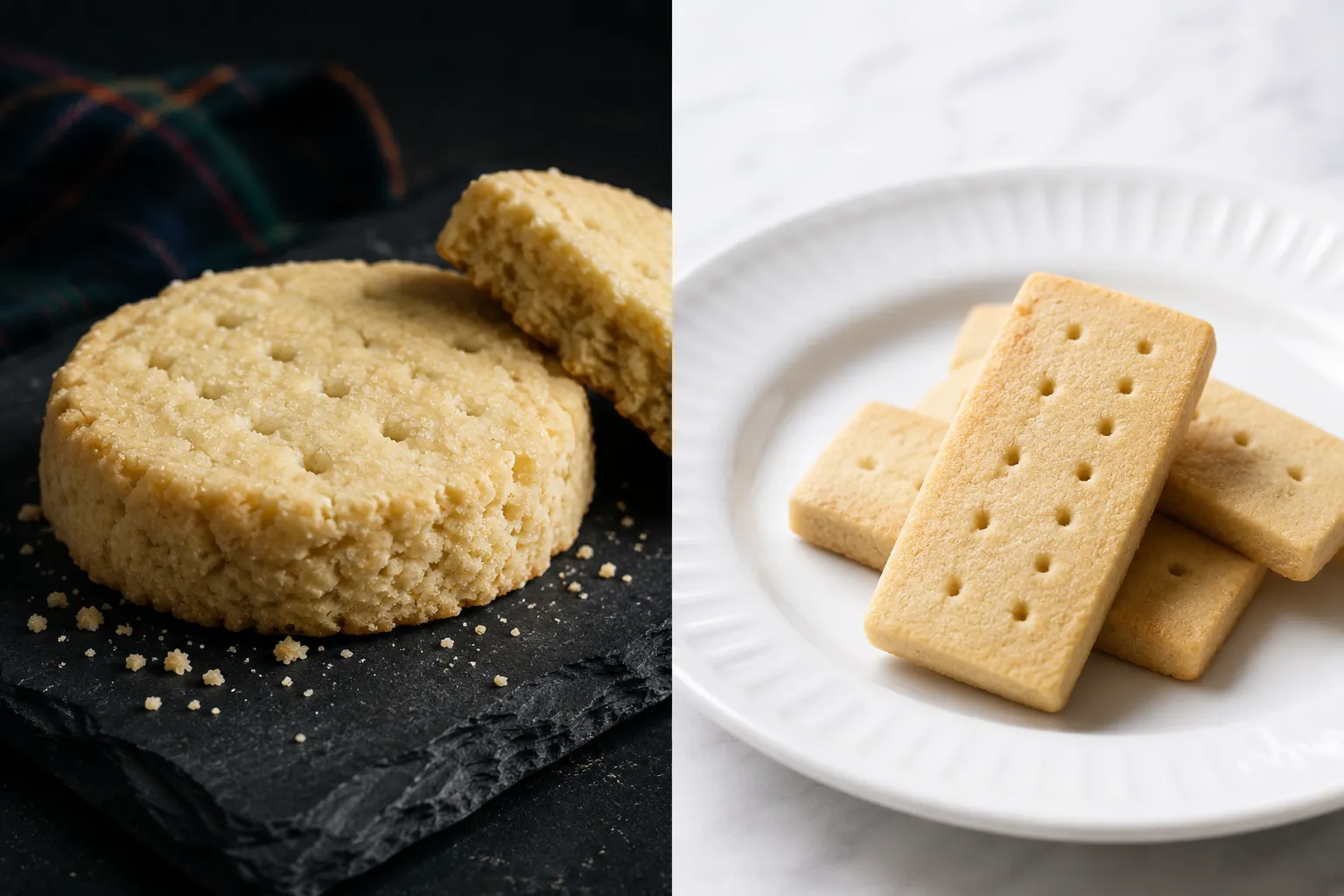
Scottish shortbread is the original form, made strictly with butter, sugar, and flour, often with a portion of rice flour for texture. “Regular” or commercial shortbread sometimes includes additional fats, flavorings, or leavening agents that alter the classic profile.
FeatureScottish ShortbreadCommercial/Regular ShortbreadCore fat100% butterButter, vegetable oil, or blendFlour typePlain flour + rice flourPlain flour onlyTextureDense, crumbly, sandyLighter, sometimes crisperFlavorRich, pronounced butterMilder, sometimes vanilla-forwardTraditional shapesPetticoat tails, fingers, roundsVaried; often stamped or cut
The key distinction is fat quality and purity. Authentic Scottish shortbread contains no eggs, no leavening, and no artificial flavoring. Any deviation produces a different product, still good, but not traditional. [2]
Shortbread Baking Tips, Common Mistakes, and Can You Make It Without Butter?
Top baking tips:
Always weigh ingredients rather than using volume measurements, shortbread is sensitive to flour ratios
Keep the dough cold; warm dough spreads and loses its shape
Use a light-colored baking pan to prevent over-browning on the bottom
Score the dough before baking to make clean cuts easier after cooling
Let shortbread cool completely in the pan before moving, it is fragile when warm
Common mistakes to avoid:
Overworking the dough: Develops gluten, making shortbread tough rather than crumbly
Skipping the chill: Unchilled dough spreads unevenly in the oven
Baking too hot: Shortbread should be pale gold, not brown; high heat causes a bitter edge
Using salted butter without adjusting: Can make the result overly salty; use unsalted and add a measured pinch
Can you make shortbread without butter?
Technically yes, but the result is not traditional shortbread. Coconut oil is the most common substitute, it produces a similar crumbly texture but adds a faint coconut flavor. Vegan butter blocks (not spreads) work reasonably well if they have a high fat content (above 75%). Margarine and low-fat spreads contain too much water and produce a greasy, soft result. If butter is the goal but dairy is the concern, clarified butter (ghee) is an excellent alternative that actually intensifies the flavor.
Shortbread Shelf Life: How Long Does It Last?
Properly stored shortbread lasts up to two weeks at room temperature in an airtight container. In the refrigerator, it stays fresh for up to one month. Frozen shortbread, either baked or as raw dough, keeps well for up to three months.
Storage tips:
Use a tin or airtight container rather than plastic wrap alone, which can make shortbread go soft
Store away from strong-smelling foods; butter absorbs odors easily
Layer shortbread between sheets of parchment paper to prevent sticking
Freeze baked shortbread in a single layer first, then transfer to a bag once solid
Where to Buy Shortbread and Best Shortbread Brands to Try
Shortbread is widely available in supermarkets, specialty food stores, and online retailers. For January 6 National Shortbread Day, many bakeries and food brands run promotions or limited-edition tins. [5]
Well-regarded brands:
Walker’s Shortbread (Aberlour, Scotland), the most globally recognized Scottish shortbread brand, known for its classic red tin and traditional recipe [2]
Deans of Huntly, another Scottish producer with a strong reputation for all-butter recipes
Paterson’s Shortbread, widely available in UK supermarkets and international import stores
Pepperidge Farm Chessmen (United States), a widely available American-market option with a butter-forward profile
Artisan and local bakeries, often produce the freshest product; worth seeking out for National Shortbread Day
Cost range: A standard 150g to 200g packet of quality shortbread typically retails between $3 and $8 USD (or £2 to £5 GBP) depending on brand and retailer. Premium tins and gift sets range from $15 to $40 USD.
How to Celebrate January 6 National Shortbread Day
Celebrating January 6 National Shortbread Day does not require elaborate planning. The most common ways people mark the day include baking a batch at home, buying a tin from a favorite brand, or sharing shortbread with colleagues, neighbors, or family. [1]
Practical ways to celebrate:
Bake from scratch: Use the classic three-ingredient recipe above and experiment with shapes
Host a shortbread tasting: Buy two or three different brands and compare flavor, texture, and crumble
Gift a tin: Shortbread tins make an easy and appreciated gift, especially in the post-holiday January lull
Try a flavored variation: Lemon zest, lavender, dark chocolate dip, or rosemary are popular additions to the classic base
Share on social media: The hashtag #NationalShortbreadDay sees consistent activity on January 6 each year [1]
Pair thoughtfully: Shortbread pairs well with Earl Grey tea, Darjeeling, a light coffee, or a small glass of Scotch whisky for an authentically Scottish experience

Frequently Asked Questions
What is National Shortbread Day?
National Shortbread Day is an unofficial annual food holiday on January 6 that celebrates shortbread, a buttery Scottish biscuit made from sugar, butter, and flour. It is observed globally through baking, gifting, and social media. [1]
Is January 6 National Shortbread Day an official public holiday?
No. It is an informal food holiday with no government recognition. No country has legislated it as a public holiday. It is observed voluntarily by baking enthusiasts, food brands, and media. [5]
Who started National Shortbread Day?
The day is closely associated with Walker’s Shortbread, the Scottish biscuit company, which has promoted January 6 as “National Walker’s Shortbread Day.” The exact originator of the broader designation is not officially documented. [2]
Why is shortbread called shortbread?
The term “short” in baking refers to a high fat content that inhibits gluten development, producing a crumbly, tender texture. Shortbread’s high butter ratio gives it this characteristic “short” crumb.
What are the three traditional shapes of Scottish shortbread?
Traditional Scottish shortbread comes as fingers (rectangular bars), rounds (circular biscuits), and petticoat tails (large round wedges cut like a pie, named after the shape of Elizabethan petticoats).
Can shortbread dough be made ahead of time?
Yes. Raw shortbread dough keeps well in the refrigerator for up to three days, wrapped tightly. It also freezes well for up to three months. Thaw overnight in the refrigerator before baking.
What is the best flour for shortbread?
Plain (all-purpose) flour works well. For a finer, sandier texture closer to traditional Scottish shortbread, replace 25% of the plain flour with rice flour or cornstarch (cornflour).
Does shortbread contain eggs?
Traditional shortbread does not contain eggs. The three core ingredients are butter, sugar, and flour. Some modern variations add an egg yolk for richness, but this is not standard.
How do you know when shortbread is done baking?
Shortbread is ready when it turns a very pale golden color at the edges, not brown. It will still feel slightly soft when pressed; it firms significantly as it cools in the pan.
Is shortbread gluten-free?
Standard shortbread is not gluten-free because it contains wheat flour. Gluten-free versions can be made using a blend of rice flour, tapioca starch, and potato starch, though the texture differs slightly.
When is the next National Shortbread Day after 2026?
National Shortbread Day falls on January 6 every year. The next observance after January 6, 2026 will be January 6, 2027. [5]
Conclusion
January 6 National Shortbread Day is a simple, accessible celebration that anyone can participate in, whether through a scratch-baked batch, a gifted tin, or a quiet afternoon with tea and a buttery biscuit. The day honors a centuries-old Scottish tradition that has traveled far beyond its origins to become a globally recognized comfort food.
Actionable next steps for 2026:
Mark January 6 on your calendar now so you have time to gather ingredients or order a quality tin in advance
Try the classic 1:2:3 ratio recipe at home, it takes under an hour from start to finish
If baking is not an option, look for Walker’s Shortbread or a local artisan brand and use the day as an excuse to share something homemade-quality with someone you care about
Share your shortbread on social media with #NationalShortbreadDay to connect with the wider baking community
Explore Scottish baking traditions beyond shortbread, Dundee cake, tablet, and black bun are natural next steps for anyone who enjoys the flavor profile
Shortbread rewards precision and patience. Get the butter ratio right, keep the dough cold, and resist the oven, the result is one of the most satisfying biscuits in the world.
References
[1] National Shortbread Day – https://nationaltoday.com/national-shortbread-day/
[2] National Shortbread Day Fun Facts – https://www.walkersshortbread.com/national-shortbread-day-fun-facts/
[3] National Shortbread Day – https://www.awarenessdays.com/awareness-days-calendar/national-shortbread-day/
[5] National Shortbread Day January 6 – https://www.nationaldaycalendar.com/national-day/national-shortbread-day-january-6
