

Last updated: June 28, 2026
Quick Answer
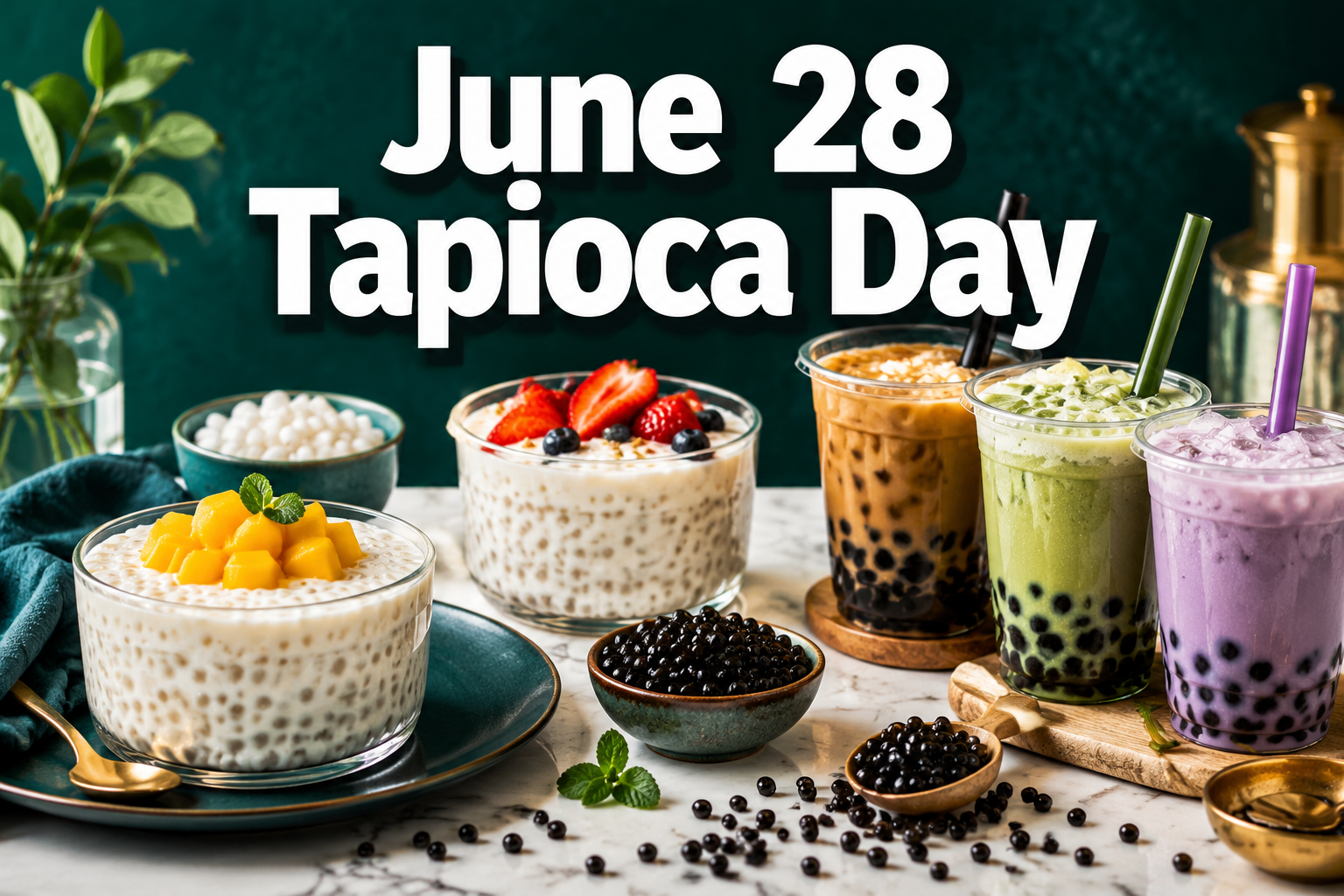
June 28 Tapioca Day is a U.S. food observance held every year on June 28th that celebrates tapioca, a gluten-free starch derived from the cassava root. In 2026, it falls on a Sunday, making it an ideal day to cook tapioca pudding, visit a bubble tea shop, or experiment with tapioca-based recipes. The holiday is informal but widely recognized across food blogs, social media, and specialty cafes. [1]
Key Takeaways
- National Tapioca Day is observed annually on June 28th; in 2026 it falls on a Sunday.
- Tapioca comes from cassava, a root vegetable native to South America, and the word traces back to the Tupi language of Brazil. [2]
- Tapioca is naturally gluten-free because it is pure starch with no grain proteins.
- Common uses include tapioca pudding, bubble tea (boba), and as a thickening agent in soups and sauces.
- A standard serving of tapioca contains approximately 20 mg of calcium and 1.5 mg of iron, and is low in sodium with no fat or cholesterol. [3]
- Bubble tea, which uses chewy tapioca pearls, was invented in Taiwan in the 1980s and helped bring tapioca to a global audience. [1]
- A separate observance, National Tapioca Pudding Day, falls on July 15th each year. [4]
- Raw cassava contains naturally occurring compounds that require proper processing to neutralize before the starch is safe to eat. [1]
- Celebrating is simple: cook a recipe, visit a boba shop, or share your creation with #NationalTapiocaDay on social media.
What Is Tapioca Day and Why Is It on June 28?
National Tapioca Day is an annual food holiday observed on June 28th that encourages people to enjoy tapioca in any of its many forms. The date is fixed each year, and no official legislation or government body governs it — it belongs to the broader category of informal American food observances that exist primarily to celebrate a beloved ingredient or dish.
There is no single documented reason why June 28th was chosen over any other date. Food holidays of this type are typically established by food industry groups, bloggers, or enthusiast communities, and the exact origin of this particular date has not been traced to a named founder. What matters practically is that the date is consistent, widely cited, and gives food lovers a reason to pull out the saucepan or stop by a bubble tea shop. [1]
Where Did Tapioca Come From? The Origins Behind the Holiday
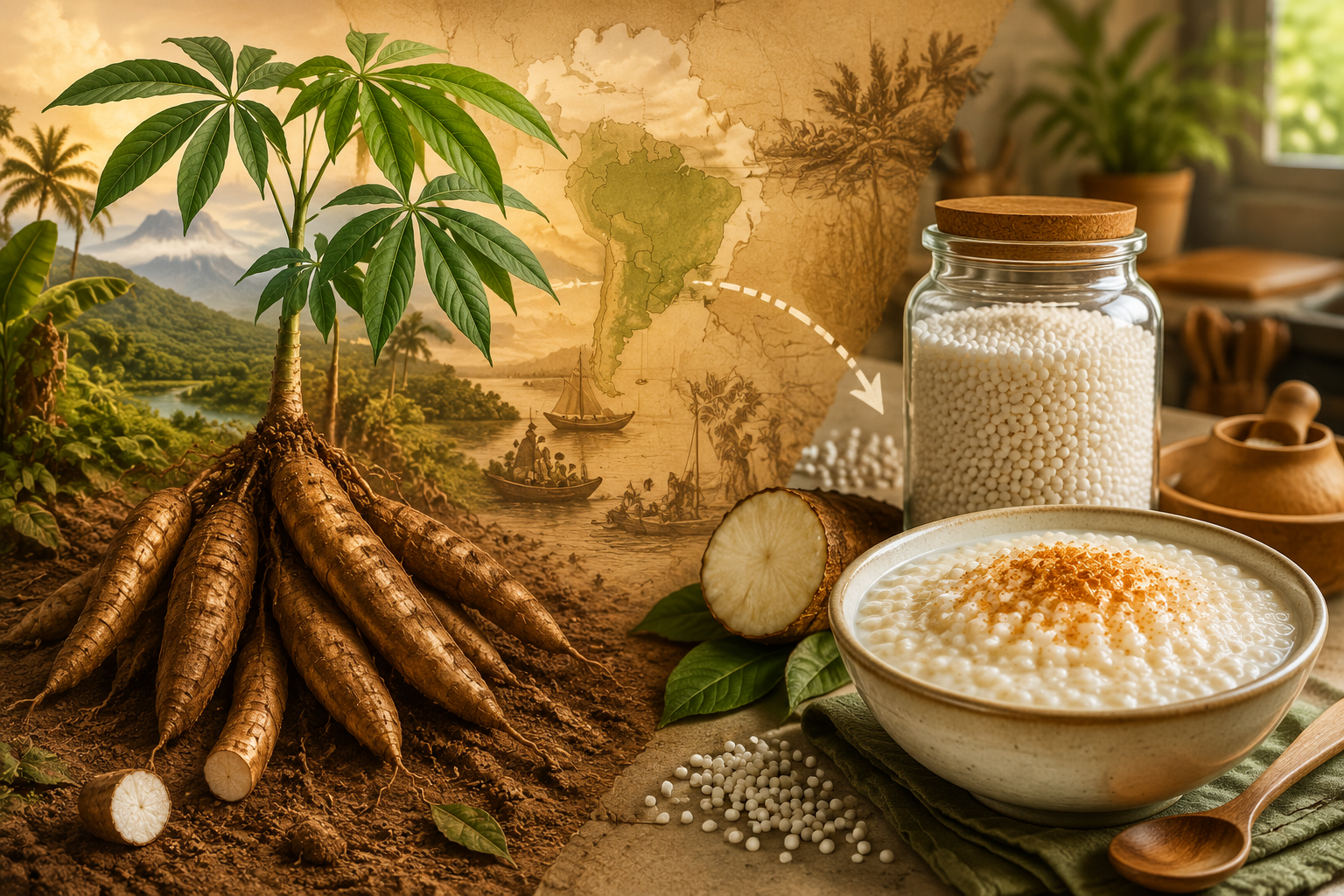
Tapioca is a starch extracted from the cassava root (Manihot esculenta), a tuber that has been cultivated in South America for thousands of years. The word “tapioca” itself comes from “tipi’óka,” a term in the Tupi language of Brazil that describes the process of extracting starch from the plant. [2]
Cassava spread from South America to Africa and Asia during the late 18th century, eventually becoming a dietary staple across tropical regions worldwide. [1] Today, cassava ranks among the most widely consumed root vegetables on the planet, particularly in sub-Saharan Africa and Southeast Asia.
Key milestones in tapioca’s history:
- Pre-colonial South America: Indigenous communities cultivated cassava as a primary carbohydrate source.
- Late 1700s: Portuguese and Spanish traders introduced cassava to Africa and Asia.
- 19th century: Tapioca pudding became popular in the United States and Europe as an affordable, easy-to-prepare dessert.
- 1980s Taiwan: Tea house owners began adding cooked tapioca pearls to iced tea, creating what the world now knows as bubble tea or boba. [1]
Is June 28 Tapioca Day a Real Holiday or Just Made Up?
June 28 Tapioca Day is a real observance in the sense that it is consistently recognized, widely celebrated, and listed across reputable food calendars — but it is not a federal or public holiday. No government body has officially declared it, and businesses are not required to observe it.
This places it in the same category as National Pizza Day, National Pancake Day, and dozens of other food-focused observances that exist informally but generate genuine public participation. Restaurants, bubble tea shops, and food brands often use the date to run promotions or post themed content. For everyday purposes, it is as “real” as any food holiday gets. [1] [4]
Tapioca vs. Boba: What Is the Difference?
Tapioca and boba are closely related but not identical terms. Tapioca refers to the starch itself, derived from cassava, while boba (also called bubble tea pearls) refers specifically to the large, chewy spheres made from tapioca starch that are added to drinks.
Here is a direct comparison:
| Feature | Tapioca (general) | Boba / Tapioca Pearls |
|---|---|---|
| Form | Flour, flakes, or small pearls | Large chewy balls (6-8 mm) |
| Color | White or translucent | Often black (colored with brown sugar or caramel) |
| Primary use | Pudding, thickening, baking | Bubble tea drinks |
| Texture when cooked | Soft, gel-like | Chewy, gummy |
| Flavor | Neutral | Mildly sweet |
Boba tea originated in Taiwan in the 1980s when tea shop owners started adding tapioca pearls to cold milk tea. The trend spread across Asia and reached North America and Europe in the 1990s and 2000s, turning tapioca pearls into one of the most recognizable food trends of the past few decades. [1]
Tapioca Nutrition Facts and Health Benefits
Tapioca is low in sodium and contains no fat or cholesterol. A standard serving provides approximately 20 mg of calcium and 1.5 mg of iron. [3] It is primarily a source of carbohydrates, making it a fast-digesting energy food.
Key nutritional points:
- Naturally gluten-free (pure starch, no grain proteins)
- Low in protein and fiber compared to whole grains
- A useful option for people with celiac disease or non-celiac gluten sensitivity
- Easily digestible, which makes it suitable for people recovering from illness or with sensitive digestive systems
- Not a significant source of vitamins or minerals on its own, so it works best as part of a varied diet
Tapioca is not a superfood, but its gluten-free status and neutral flavor make it a practical ingredient for people who need to avoid wheat, barley, or rye.
Why Is Tapioca Gluten-Free?
Tapioca is gluten-free because it is derived entirely from cassava root, a plant that contains no gluten proteins. Gluten is found in wheat, barley, rye, and their derivatives. Since cassava is a root vegetable with no botanical relationship to those grains, the starch extracted from it is inherently free of gluten. [2]
For people with celiac disease, tapioca is a safe starch as long as it has been processed in a facility that avoids cross-contamination with gluten-containing grains. Always check product labels if cross-contamination is a concern.
How to Celebrate June 28 Tapioca Day
Celebrating June 28 Tapioca Day does not require special equipment or professional cooking skills. The most common ways people mark the day include:
- Make classic tapioca pudding at home using small pearl tapioca, milk, eggs, and sugar.
- Visit a bubble tea shop and order a drink with tapioca pearls.
- Try a new recipe that uses tapioca flour or starch, such as Brazilian cheese bread (pão de queijo) or tapioca crepes.
- Share on social media using hashtags like #NationalTapiocaDay or #TapiocaDay to connect with other enthusiasts.
- Host a tasting comparing different tapioca preparations: pudding, boba tea, and tapioca-thickened soup side by side. [1]
Best Tapioca Recipes for Tapioca Day
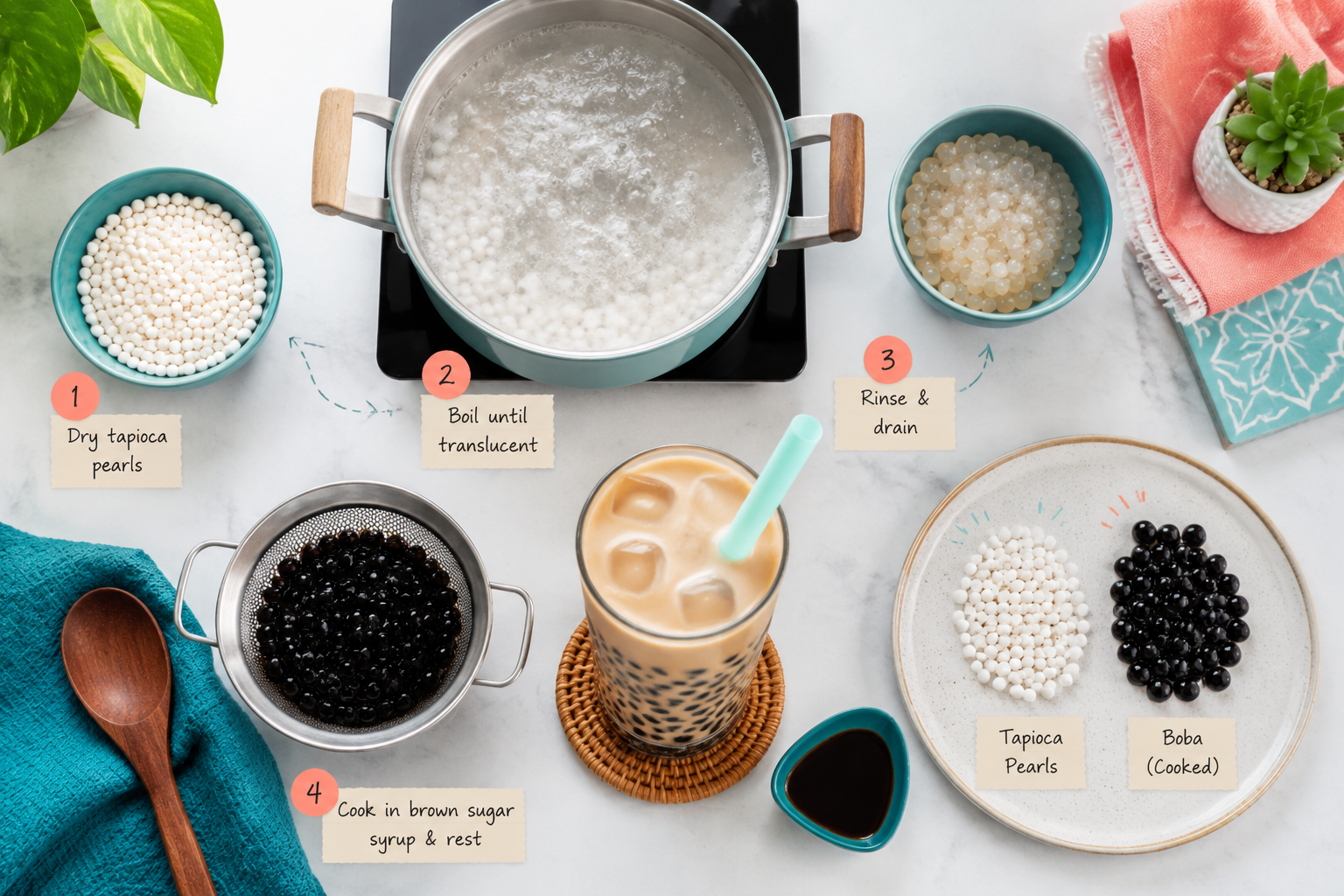
The most accessible tapioca recipes for June 28 Tapioca Day range from a simple stovetop pudding to homemade boba drinks.
Classic Tapioca Pudding (basic method):
- Soak small pearl tapioca in cold water for 30 minutes, then drain.
- Combine with whole milk, a pinch of salt, and sugar in a saucepan.
- Cook over medium heat, stirring frequently, until pearls turn translucent and the mixture thickens.
- Stir in a beaten egg and vanilla extract, cook two more minutes, then chill or serve warm.
Simple Homemade Boba Tea:
- Boil large tapioca pearls in water for 20-30 minutes until fully translucent and chewy.
- Drain and toss in brown sugar syrup.
- Add to a glass of chilled milk tea or fruit tea with ice.
Brazilian Cheese Bread (Pão de Queijo):
- Mix tapioca flour with eggs, oil, salt, and grated cheese.
- Roll into small balls and bake at 375°F until puffed and golden.
These three recipes cover the main forms tapioca takes in cooking: pudding, drinks, and baked goods.
Common Mistakes When Cooking Tapioca
Even experienced cooks run into problems with tapioca. The most frequent errors are:
- Skipping the soak: Small pearl tapioca needs to soak in cold water before cooking. Skipping this step results in uneven texture and a gummy center.
- Cooking on too-high heat: High heat causes tapioca to stick to the pan and burn. Medium-low heat with constant stirring produces the best result.
- Undercooking boba pearls: Large tapioca pearls for bubble tea need at least 20-30 minutes of boiling. Undercooked pearls are hard in the center.
- Not resting boba after cooking: After boiling, let pearls sit in their cooking water (off heat) for 10-15 minutes. This finishes the cooking process and improves chewiness.
- Using tapioca flour as a 1:1 cornstarch substitute: Tapioca starch thickens at a lower temperature and produces a slightly different texture. Use about 1.5 teaspoons of tapioca starch for every 1 teaspoon of cornstarch called for in a recipe.
Where to Buy Tapioca Pearls
Tapioca pearls are available at most major grocery stores, Asian supermarkets, and online retailers. Here is where to look:
- Asian grocery stores: The most reliable source for large boba-style pearls and specialty varieties (flavored, colored, or instant).
- Major supermarkets: Small pearl tapioca for pudding is commonly stocked in the baking aisle under brands like Bob’s Red Mill or Reese.
- Online retailers: Wide selection of both small and large pearls, including quick-cook versions that reduce boiling time to 5 minutes.
- Specialty food stores: Often carry tapioca flour and cassava flour alongside pearls.
When buying for bubble tea, look for “large tapioca pearls” or “boba pearls” (typically 8 mm). For pudding, look for “small pearl tapioca” or “tapioca flour.”
Tapioca Day Deals and Discounts in 2026
Many bubble tea chains and dessert cafes run promotions on June 28 Tapioca Day. Common deal types include:
- Buy-one-get-one boba drinks
- Discounted tapioca pudding cups at dessert shops
- Free topping upgrades (extra pearls) with any drink purchase
- Social media contests where customers post photos for a chance to win gift cards
To find deals near you in 2026, check the social media pages of local bubble tea shops in the week leading up to June 28th. National chains occasionally participate as well. Searching “[your city] + bubble tea + June 28” or checking apps like Yelp or Google Maps for promotional posts is a practical starting point.
FAQ
What date is National Tapioca Day? National Tapioca Day is observed every year on June 28th. In 2026, it falls on a Sunday. [1]
Is there more than one tapioca holiday? Yes. In addition to June 28 Tapioca Day, there is also National Tapioca Pudding Day on July 15th, which focuses specifically on the pudding preparation. [4]
Who invented National Tapioca Day? The exact founder of National Tapioca Day has not been publicly documented. Like most informal food holidays, it appears to have originated through food industry or enthusiast communities rather than a single named individual.
Is tapioca the same as cassava flour? No. Tapioca starch (or tapioca flour) is the pure starch extracted from cassava root. Cassava flour is made from the whole dried root and contains more fiber. They behave differently in recipes.
Can people with celiac disease eat tapioca? Yes, tapioca is naturally gluten-free. People with celiac disease should verify that the product was processed in a gluten-free facility to avoid cross-contamination.
Is raw cassava safe to eat? No. Raw cassava contains naturally occurring compounds that can be harmful if consumed without proper processing. Commercial tapioca products have already been treated to remove these compounds and are safe to eat. [1]
How long do cooked tapioca pearls last? Cooked tapioca pearls are best consumed within 4-6 hours. They harden and lose their chewy texture when refrigerated, so they are not ideal for making ahead.
What drinks use tapioca pearls? The most common drink is bubble tea (milk tea or fruit tea with boba). Tapioca pearls are also used in Thai iced tea, taro drinks, matcha lattes, and various Southeast Asian dessert beverages.
How is tapioca starch made? Cassava roots are peeled, grated, and mixed with water. The starch is then separated from the fibrous pulp, washed, and dried into a fine white powder or formed into pearls.
Does tapioca have protein? Tapioca is very low in protein. It is almost entirely carbohydrate, which is why it is used primarily as a thickener or texture ingredient rather than a protein source.
Conclusion
June 28 Tapioca Day is a straightforward, enjoyable food observance with real historical roots. Tapioca has fed populations across South America, Africa, and Asia for centuries, and its modern form — from creamy pudding to chewy boba pearls — continues to attract new fans worldwide.
Actionable next steps for 2026:
- Mark June 28th on your calendar and decide in advance whether you want to cook at home or visit a local bubble tea shop.
- Pick one recipe to try: classic tapioca pudding is the easiest starting point for beginners, while homemade boba tea is a fun project for those with more time.
- Check local bubble tea shops and dessert cafes the week before June 28th for deals and promotions.
- Share your tapioca creation on social media with #NationalTapiocaDay to connect with the broader food community.
- If you have dietary restrictions, confirm that any tapioca product you buy is processed in a gluten-free facility.
Whether the goal is a quiet bowl of pudding or a full boba tea party, June 28 Tapioca Day offers a simple, low-cost reason to try something new in the kitchen.
References
[1] National Tapioca Day – https://www.awarenessdays.com/awareness-days-calendar/national-tapioca-day/?utm_source=openai
[2] National Tapioca Day – https://www.obscureholidaycalendar.com/holiday/national-tapioca-day/?utm_source=openai
[3] National Tapioca Day – https://www.holidayscalendar.com/event/national-tapioca-day/?utm_source=openai
[4] Tapioca Day – https://www.cooksinfo.com/tapioca-day?utm_source=openai
