

Last updated: June 7, 2026
Quick Answer: June 7 Chocolate Ice Cream Day is an annual food observance celebrated every June 7 in the United States, dedicated to one of the world’s most popular frozen dessert flavors. While it lacks an official U.S. government or United Nations designation, it is widely recognized by food brands, ice cream shops, and dessert enthusiasts across the country. The day encourages people to enjoy, make, or share chocolate ice cream in any form.
Key Takeaways
- June 7 Chocolate Ice Cream Day falls on June 7 each year and is observed primarily in the United States.
- The holiday has no confirmed official government designation but is widely acknowledged by food industry sources and calendar sites.
- Chocolate is consistently one of the top two most popular ice cream flavors in the U.S., alongside vanilla.
- Homemade chocolate ice cream requires only a few core ingredients: cocoa powder or melted dark chocolate, cream, sugar, eggs, and salt.
- Dutch-process cocoa produces a smoother, less acidic flavor in ice cream compared to natural cocoa powder.
- Dairy-free versions using coconut milk, oat milk, or cashew cream can closely replicate the texture of traditional chocolate ice cream.
- A standard single scoop of chocolate ice cream (approximately 66 grams) contains roughly 130 to 150 calories, depending on the brand and fat content.
- Children can safely enjoy chocolate ice cream in moderation; the caffeine content from cocoa is minimal compared to coffee or tea.
When Did Chocolate Ice Cream Day Start?
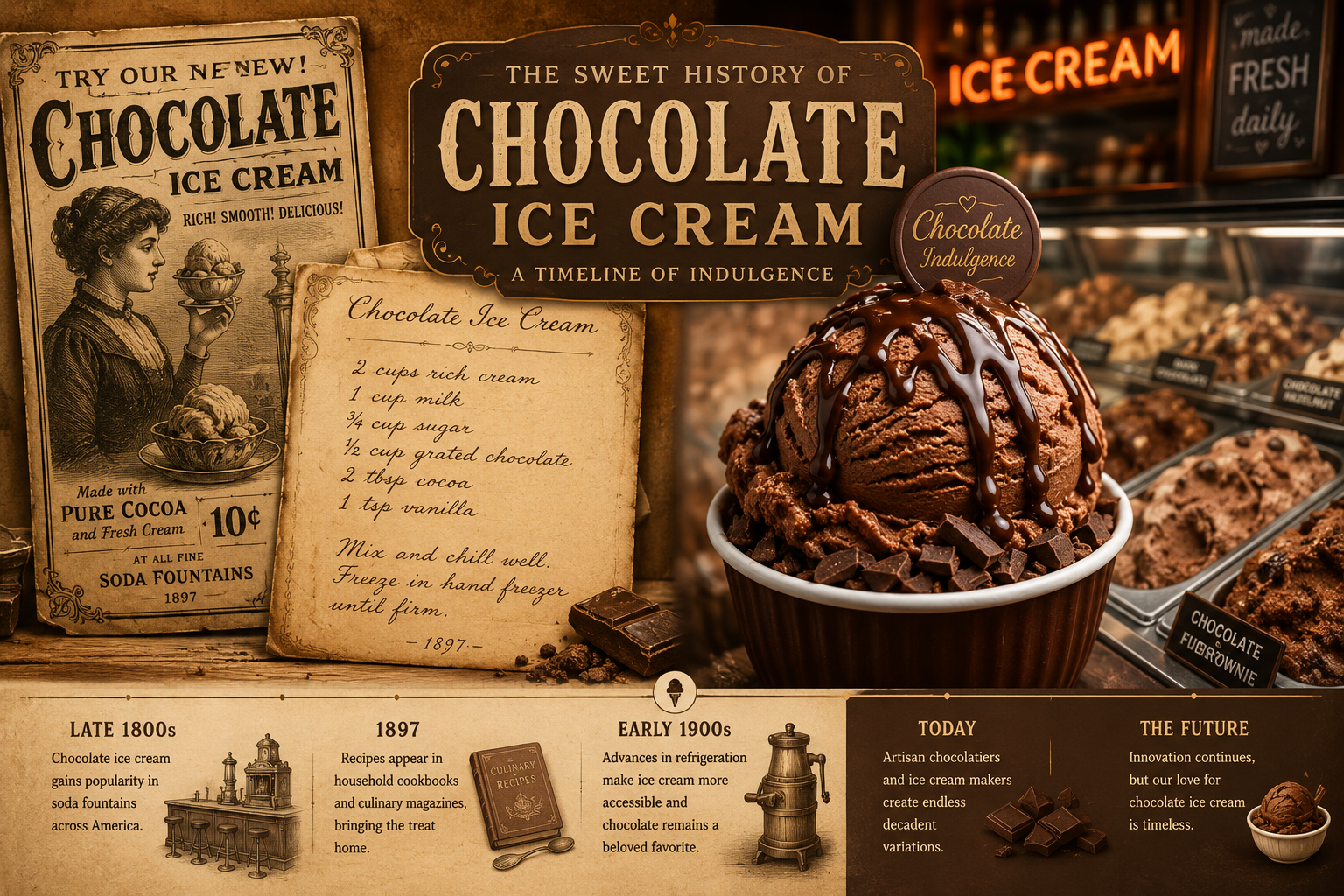
The exact origin of June 7 Chocolate Ice Cream Day as a formal observance is unclear, and no single founder or organization has been officially credited with establishing it. However, chocolate ice cream itself has a documented history stretching back centuries. One widely cited reference traces chocolate ice cream recipes to as early as 1692 in Italy, and the flavor was well established in American households by the late 19th century [5].
Calendar tracking sites and food holiday databases list the date as June 7, with some sources noting its recognition as far back as the early 20th century [4][6]. The day gained broader public attention as social media and food brands began promoting it more aggressively in the 2010s.
Why June 7 specifically? No verified historical record explains why June 7 was chosen over any other date. The timing does align with the start of summer in the Northern Hemisphere, when ice cream consumption naturally peaks. Some food holiday researchers suggest the date was likely established by a trade group or confectionery brand, though documentation confirming this is not publicly available [4][7].
How Is Chocolate Ice Cream Different from Regular Ice Cream?
Chocolate ice cream is a specific flavor variety made by incorporating cocoa powder, melted chocolate, or both into a standard ice cream base. The addition of chocolate changes not just the flavor but also the texture, fat content, and freezing behavior of the final product.
Key differences from plain vanilla or unflavored ice cream include:
- Fat and sugar content: Chocolate adds natural fats and can require more sugar to balance bitterness.
- Texture: Cocoa solids absorb moisture, which can make chocolate ice cream slightly denser than vanilla.
- Color: The Maillard reaction in cocoa processing gives chocolate ice cream its characteristic dark brown color.
- Flavor complexity: High-quality chocolate ice cream has layered notes including bitterness, sweetness, and subtle earthiness that vanilla does not replicate.
What Kind of Chocolate Works Best in Ice Cream?
The best chocolate for ice cream depends on the flavor intensity and texture you want. Dutch-process cocoa powder is the preferred choice among professional ice cream makers because it has been alkalized to reduce acidity, producing a smoother, more rounded chocolate flavor. Natural cocoa powder works but delivers a sharper, slightly more bitter taste.
For mix-ins or swirls, dark chocolate with a cocoa content between 60% and 72% melts and incorporates well without becoming grainy. Milk chocolate can be used but tends to produce a milder result. White chocolate is not technically chocolate (it contains no cocoa solids) and behaves differently in frozen applications.
Decision rule: Use Dutch-process cocoa if you want a classic, mellow chocolate ice cream base. Use natural cocoa or high-percentage dark chocolate if you prefer a more intense, bittersweet profile.
How to Make Homemade Chocolate Ice Cream
Making chocolate ice cream at home is straightforward and does not require professional equipment, though an ice cream maker produces the best texture.
Basic custard-based method (serves 4-6):
- Whisk together 4 egg yolks and 3/4 cup sugar in a bowl until pale.
- Heat 2 cups of heavy cream and 1 cup whole milk in a saucepan over medium heat until just simmering.
- Slowly pour the hot cream mixture into the egg mixture, whisking constantly (this tempers the eggs and prevents scrambling).
- Return the mixture to the saucepan and cook over low heat, stirring, until it coats the back of a spoon.
- Remove from heat and whisk in 1/2 cup Dutch-process cocoa powder and 2 oz melted dark chocolate.
- Strain through a fine mesh sieve, chill completely (at least 4 hours or overnight), then churn in an ice cream maker per the manufacturer’s instructions.
- Transfer to a freezer-safe container and freeze for at least 2 hours before serving.
No-churn option: Fold 1/2 cup chocolate mixture into 2 cups whipped heavy cream and sweetened condensed milk, then freeze for 6 hours. Texture will be less smooth but still satisfying.
Common Mistakes When Making Chocolate Ice Cream
Even experienced home cooks run into problems with chocolate ice cream. The most common errors include:
- Skipping the tempering step: Pouring hot liquid directly onto eggs causes scrambling. Always add hot cream slowly and gradually.
- Using the wrong cocoa: Natural cocoa in a recipe designed for Dutch-process cocoa can produce an unpleasantly acidic result.
- Not chilling the base long enough: Churning a warm base leads to large ice crystals and a grainy texture. Always chill completely before churning.
- Over-churning: Too much time in the machine incorporates excess air and can make the ice cream foamy rather than creamy.
- Freezing in a deep container: Shallow, wide containers freeze ice cream more evenly and reduce the formation of icy layers on top.
How Do Professional Chefs Make Chocolate Ice Cream?

Professional pastry chefs and ice cream makers follow the same custard base principles as home cooks but apply several refinements that elevate the final product.
- Stabilizers: Small amounts of locust bean gum or guar gum prevent ice crystal growth during storage, keeping the texture smooth for longer.
- Invert sugar or glucose syrup: Replacing a portion of granulated sugar with invert sugar lowers the freezing point, resulting in a softer scoop straight from the freezer.
- Blooming cocoa: Chefs often bloom cocoa powder in hot fat (butter or cream) before adding it to the base, which intensifies the chocolate flavor significantly.
- Aging the base: Commercial producers age their custard base for 4 to 24 hours before churning, allowing proteins and fats to fully hydrate for a creamier result.
- Blast freezing: Professional kitchens use blast chillers to freeze ice cream rapidly, minimizing ice crystal size and producing a noticeably smoother texture than home freezers can achieve.
Best Chocolate Ice Cream Brands to Buy in 2026
Several brands consistently rank among consumer favorites for chocolate ice cream. Kilwins, a well-known artisan confectionery chain, has introduced specialty chocolate ice cream products timed specifically to June 7 Chocolate Ice Cream Day promotions [1].
Other widely recognized brands for quality chocolate ice cream include:
| Brand | Style | Notable Feature |
|---|---|---|
| Häagen-Dazs | Premium/dense | High butterfat, minimal ingredients |
| Ben & Jerry’s | Chunky/mix-in | Bold inclusions, fair-trade cocoa |
| Tillamook | Creamery-style | Pacific Northwest dairy, clean label |
| Jeni’s Splendid | Artisan | Unique flavor profiles, grass-fed cream |
| Breyers | Classic/accessible | Widely available, lighter texture |
When choosing a brand, check the ingredient list. Shorter lists with real cream, cocoa, and eggs generally indicate higher quality than products relying heavily on artificial flavors or stabilizer blends.
Dairy-Free Chocolate Ice Cream Options
Dairy-free chocolate ice cream is widely available and can be made at home without sacrificing much in terms of texture or flavor. The best dairy-free bases for chocolate ice cream include:
- Full-fat coconut milk: Produces the creamiest, richest texture and pairs naturally with chocolate’s flavor profile.
- Cashew cream: Neutral flavor, very smooth, and high in natural fats that mimic dairy cream.
- Oat milk: Lower fat content means a slightly icier texture, but works well with added coconut oil.
- Soy milk: Good protein content helps emulsify the base, producing a reasonable texture.
For people with multiple dietary restrictions: A coconut milk base with Dutch-process cocoa, maple syrup as a sweetener, and a pinch of salt produces a vegan, gluten-free chocolate ice cream that most tasters find genuinely satisfying. Avoid rice milk as a primary base since its low fat content produces an icy, thin result.
Calories in an Average Chocolate Ice Cream Scoop
A standard single scoop of chocolate ice cream, roughly 1/2 cup or 66 grams, contains approximately 130 to 150 calories in most mainstream brands. Premium varieties with higher butterfat content can reach 250 to 300 calories per scoop. Dairy-free versions vary widely depending on the base used.
General calorie ranges by type:
- Standard chocolate ice cream (1/2 cup): 130-150 calories
- Premium/super-premium (1/2 cup): 240-300 calories
- Low-fat chocolate ice cream (1/2 cup): 90-110 calories
- Dairy-free coconut milk base (1/2 cup): 150-200 calories
These figures are estimates based on commonly available nutritional data from major brands. Always check the specific product label for accurate information.
Is Chocolate Ice Cream Good for Kids?
Chocolate ice cream is generally safe and appropriate for children in moderate amounts. The cocoa content in commercial chocolate ice cream contributes a small amount of caffeine, but it is far lower than what is found in coffee, tea, or energy drinks. A typical serving contains roughly 5 to 10 milligrams of caffeine, compared to 95 milligrams in an average cup of coffee.
Parents should be aware of:
- Sugar content: Most commercial chocolate ice creams contain 14 to 20 grams of sugar per serving, which is relevant for children with dietary restrictions or blood sugar concerns.
- Dairy allergies: Children with confirmed dairy allergies should use plant-based alternatives.
- Portion size: A half-cup serving is an appropriate portion for most children. Larger servings significantly increase sugar and calorie intake.
Chocolate ice cream can also be a vehicle for adding nutritional value. Blending it with banana or serving it alongside fruit adds fiber and micronutrients to an otherwise indulgent treat.
Chocolate Ice Cream Recipes for People with Dietary Restrictions
June 7 Chocolate Ice Cream Day is inclusive by nature, and people with common dietary restrictions can still participate fully.
- Vegan: Use full-fat coconut milk, Dutch-process cocoa, coconut sugar, and a tablespoon of coconut oil. Churn as normal or use the no-churn method.
- Gluten-free: Standard chocolate ice cream is naturally gluten-free. Check labels on mix-ins like cookie pieces or brownie chunks, which may contain gluten.
- Low-sugar/diabetic-friendly: Replace granulated sugar with erythritol or allulose (both perform well in frozen applications without the bitter aftertaste of stevia). Use 85% dark chocolate for the base.
- Nut-free: Avoid cashew cream bases. Coconut milk or oat milk are safe alternatives for most nut allergies (verify oat milk is produced in a nut-free facility).
- Egg-free: Skip the custard base entirely. Use a Philadelphia-style base (cream, milk, sugar, cocoa) without eggs. Texture is slightly less rich but still very good.
FAQ
What date is Chocolate Ice Cream Day? Chocolate Ice Cream Day is observed on June 7 every year. In 2026, it falls on a Sunday.
Is June 7 Chocolate Ice Cream Day an official U.S. holiday? No. It is not officially designated by the U.S. government or any federal agency. It is a widely recognized food observance promoted by brands, food bloggers, and calendar sites [4][6].
Who invented chocolate ice cream? Chocolate ice cream is believed to have originated in Italy around 1692, though the exact inventor is unknown. It became popular in the United States by the late 1800s [5].
What is the most popular ice cream flavor in the U.S.? Chocolate and vanilla consistently rank as the top two flavors in U.S. consumer surveys, with chocolate often cited as the second most popular after vanilla.
Can you make chocolate ice cream without an ice cream maker? Yes. The no-churn method combines whipped heavy cream with sweetened condensed milk and a chocolate mixture, then freezes it for 6 hours. The texture is slightly less smooth than churned ice cream but is a practical alternative.
What is the difference between chocolate ice cream and chocolate gelato? Gelato uses more milk and fewer egg yolks than ice cream, resulting in a lower fat content and denser texture. It is also churned more slowly, incorporating less air, which gives it a more intense flavor per bite.
How long does homemade chocolate ice cream last in the freezer? Homemade chocolate ice cream is best consumed within 2 weeks. After that, ice crystals form more aggressively and the texture deteriorates. Store it in an airtight container with plastic wrap pressed directly onto the surface.
Is Dutch-process cocoa better than natural cocoa for ice cream? For most chocolate ice cream recipes, yes. Dutch-process cocoa produces a smoother, less acidic flavor. Natural cocoa can be used but may require recipe adjustments to balance acidity.
Are there deals on June 7 Chocolate Ice Cream Day? Many ice cream brands and parlors offer promotions on June 7. Kilwins, for example, has released special products timed to the day [1]. Checking local ice cream shops and brand social media pages on or before June 7 is the best way to find current offers.
What is the caffeine content of chocolate ice cream? A typical half-cup serving of chocolate ice cream contains approximately 5 to 10 milligrams of caffeine, which is significantly less than a cup of coffee or tea.
Conclusion
June 7 Chocolate Ice Cream Day offers a straightforward reason to celebrate one of the most beloved frozen desserts in the world. Whether the goal is buying a scoop from a local shop, trying a new brand, or making a batch at home with a dietary-friendly recipe, the day is accessible to nearly everyone.
Actionable next steps for 2026:
- Check local ice cream parlors and brand websites for June 7 promotions and limited-edition flavors.
- Try making a homemade batch using Dutch-process cocoa and a custard base for the best flavor result.
- If dairy is off the table, use full-fat coconut milk as the base for a genuinely creamy dairy-free version.
- Experiment with cocoa percentages: a side-by-side tasting of natural cocoa versus Dutch-process cocoa in the same base recipe is an easy and educational way to understand how ingredient choices affect the final product.
- Share the day with kids by involving them in the making process, using the occasion to discuss where chocolate comes from and how ice cream is made.
Chocolate ice cream has earned its dedicated day on the calendar. June 7 is the annual reminder to slow down and enjoy a scoop.
References
[1] Kilwins Has A New Treat Just In Time For National Chocolate Ice Cream Day – https://thegeorgiasun.com/food/kilwins-has-a-new-treat-just-in-time-for-national-chocolate-ice-cream-day/
[2] World Food Safety Day Chocolate Ice Cream Day What Is Celebrated On June 7 – https://unn.ua/en/news/world-food-safety-day-chocolate-ice-cream-day-what-is-celebrated-on-june-7
[4] National Chocolate Ice Cream Day – https://nationaltoday.com/national-chocolate-ice-cream-day/
[5] National Chocolate Ice Cream Day 1897 – https://www.wikidates.org/holiday/national-chocolate-ice-cream-day_1897.html
[6] Chocolate Ice Cream Day – https://www.wincalendar.com/Chocolate-Ice-Cream-Day
[7] National Chocolate Ice Cream Day – https://www.punchbowl.com/holidays/national-chocolate-ice-cream-day
