

Last updated: June 3, 2026
Quick Answer: June 3 Egg Day, officially known as National Egg Day in the United States, is an annual food holiday celebrated every June 3 that honors one of the world’s most nutritious and versatile foods. The day encourages people to cook, eat, and learn about eggs in all their forms. It is observed primarily in the U.S. but has gained recognition in other countries through social media and food culture.
Key Takeaways
- June 3 Egg Day falls annually on June 3 and celebrates eggs as a culinary and nutritional staple
- The average American eats approximately 285 eggs per year, and U.S. farmers produce around 100 billion eggs annually [1]
- A single average egg contains roughly 75 calories and 5 grams of fat, making it a nutrient-dense food [1]
- Eggs have been part of human diets since at least 1400 B.C., with evidence from ancient Egypt and China [2]
- There are over 100 documented ways to cook an egg, from scrambled to poached to baked [3]
- Eggshell color is determined by the hen’s breed and has no effect on flavor or nutrition [4]
- The egg carton was invented in 1911 by Joseph Coyle in Canada to prevent breakage during transport [5]
- Celebrations suit all ages, and even non-egg-eaters can participate through egg-themed crafts, trivia, and community events
- Vegans and strict vegetarians can join the day by exploring plant-based egg alternatives or the cultural history of eggs
What Exactly Is June 3 Egg Day?
June 3 Egg Day is an informal but widely recognized American food holiday dedicated to celebrating eggs in all their culinary, nutritional, and cultural dimensions. It is observed each year on June 3 and is also called National Egg Day. The day gives food lovers, home cooks, farmers, and nutritionists a shared occasion to highlight the egg’s role in everyday life.
The holiday is listed and promoted by major food and calendar observance platforms, including National Day Calendar and National Today. While it carries no official government designation, it has grown steadily in public awareness, particularly through social media campaigns and food brand promotions.
Key facts about the day:
- Date: June 3, every year
- Also known as: National Egg Day
- Primary country: United States, with growing international participation
- Focus: Culinary celebration, nutritional education, and food culture
How Did June 3 Egg Day Start?
The precise origin of June 3 Egg Day is not attributed to a single founder or organization. Like many American food holidays, it appears to have grown organically from food industry promotions and calendar observance traditions, eventually gaining traction through websites that catalog unofficial holidays.
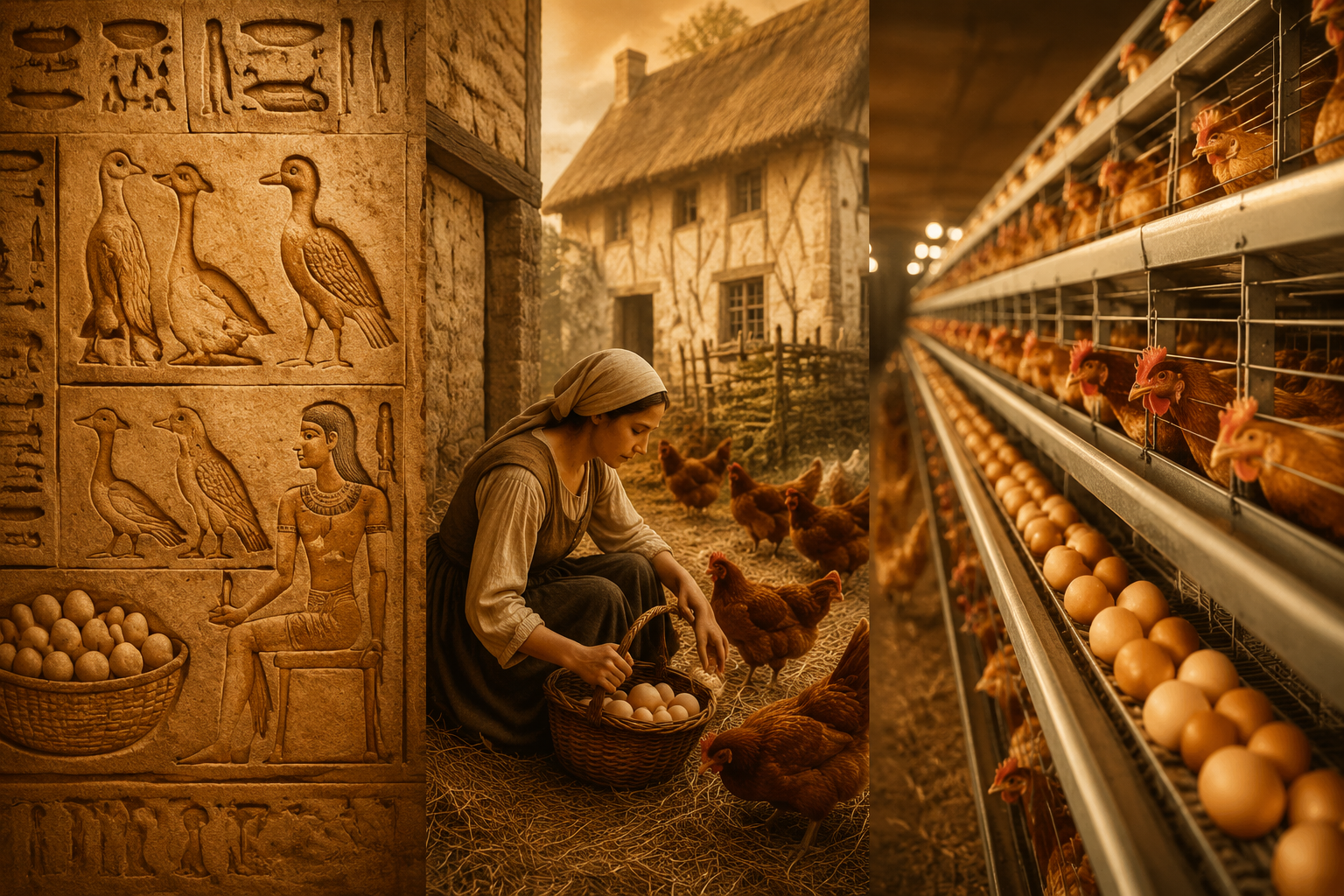
What is well documented is the deep historical relationship between humans and eggs. Evidence of egg consumption dates back to 1400 B.C. in ancient Egypt and China, where jungle fowl were domesticated partly for their eggs [2]. In medieval Europe, eggs were withheld during Lent, which led farmers to stockpile them and celebrate their return to the diet after the fasting period ended [5]. That cultural reverence for eggs laid the groundwork for modern observances like June 3 Egg Day.
Modern hens, through selective breeding, can now lay more than 300 eggs per year, compared to wild chickens that produced roughly 12 eggs annually [5]. This agricultural transformation made eggs a true everyday food and gave a holiday like June 3 Egg Day a broad, relatable audience.
Why Do People Celebrate Egg Day on June 3?
People celebrate June 3 Egg Day to acknowledge the egg’s outsized role in global food culture, nutrition science, and agricultural history. The date serves as a prompt to try a new recipe, support local egg farmers, or simply appreciate a food that billions of people rely on daily.
Eggs are also genuinely fascinating from a scientific standpoint. An eggshell contains more than 17,000 tiny pores that allow the egg to breathe and exchange gases [1]. The color of the yolk is shaped by what the hen eats — feeding hens marigold petals, for example, produces noticeably brighter yolks [4]. These details give the day an educational dimension beyond just cooking.
“Eggs have been part of human diets for more than 3,000 years, yet most people know surprisingly little about where their eggs come from or how to cook them well.”
Different Ways People Celebrate Egg Day Around the World
Most June 3 Egg Day celebrations are informal and personal, centered on cooking and sharing egg-based meals. In the United States, common activities include hosting brunches, trying new egg recipes, visiting local farms, and sharing egg-themed content on social media using hashtags like #NationalEggDay.
Internationally, the day overlaps with existing egg-centric food traditions:
- Japan: Tamagoyaki (rolled omelette) is a common way to mark egg appreciation
- France: Classic preparations like oeufs en cocotte or a proper French omelette are celebrated
- India: Egg curry and egg bhurji dishes get extra attention on food blogs and social channels
- Middle East and North Africa: Shakshuka, eggs poached in spiced tomato sauce, becomes a focal dish
- United Kingdom: Scotch eggs and egg-and-cress sandwiches appear in food features
Schools and community centers sometimes organize egg-related science experiments or cooking classes for children, making the day both educational and hands-on.
How Much Do Egg-Related Events and Activities Typically Cost?
Celebrating June 3 Egg Day at home costs very little. A dozen eggs in the U.S. typically costs between $2 and $6 depending on the type (conventional, free-range, or organic), making it one of the most budget-friendly food holidays on the calendar.
Estimated costs by activity:
| Activity | Estimated Cost |
|---|---|
| Home cooking (one meal) | $1 to $5 |
| Brunch for four people | $10 to $30 |
| Farm visit or egg farm tour | $0 to $20 per person |
| Cooking class (local) | $25 to $75 per person |
| Restaurant egg-themed tasting menu | $30 to $80 per person |
For those who want a zero-cost celebration, free options include watching cooking tutorials online, participating in social media challenges, or reading about egg history and nutrition.
Are There Special Egg Recipes for June 3 Egg Day?
There is no single “official” June 3 Egg Day recipe, but the day is a popular occasion to try preparations that go beyond a basic scramble. With over 100 documented ways to cook an egg [3], the range of options suits every skill level.
Recipes worth trying on June 3 Egg Day:
- Eggs Benedict — a classic brunch centerpiece with poached eggs and hollandaise sauce
- Shakshuka — eggs simmered in spiced tomato and pepper sauce, popular across the Middle East and North Africa
- Tamagoyaki — a Japanese sweet rolled omelette, great for beginners
- Deviled eggs — hard-boiled eggs filled with a seasoned yolk mixture, ideal for gatherings
- Soufflé — a more advanced baked egg dish that showcases egg whites’ structural properties
- Egg fried rice — a quick, satisfying way to use leftover rice and multiple eggs at once
A useful storage tip: keeping eggs pointed-end down (upside down from the carton’s default orientation) helps keep the yolk centered and may extend freshness [1].

Is Egg Day Just for Kids or Can Adults Enjoy It Too?
June 3 Egg Day is for everyone. Children enjoy it through hands-on cooking activities, egg decorating, and science experiments like testing egg buoyancy. Adults engage through culinary exploration, farm-to-table dining, nutrition education, and food photography.
Food bloggers, chefs, nutritionists, and agricultural advocates all use the day to publish content, run promotions, and raise awareness about egg quality and sourcing. It is as much an adult food culture event as it is a family activity.
What Kind of Eggs Are Best for June 3 Egg Day Celebrations?
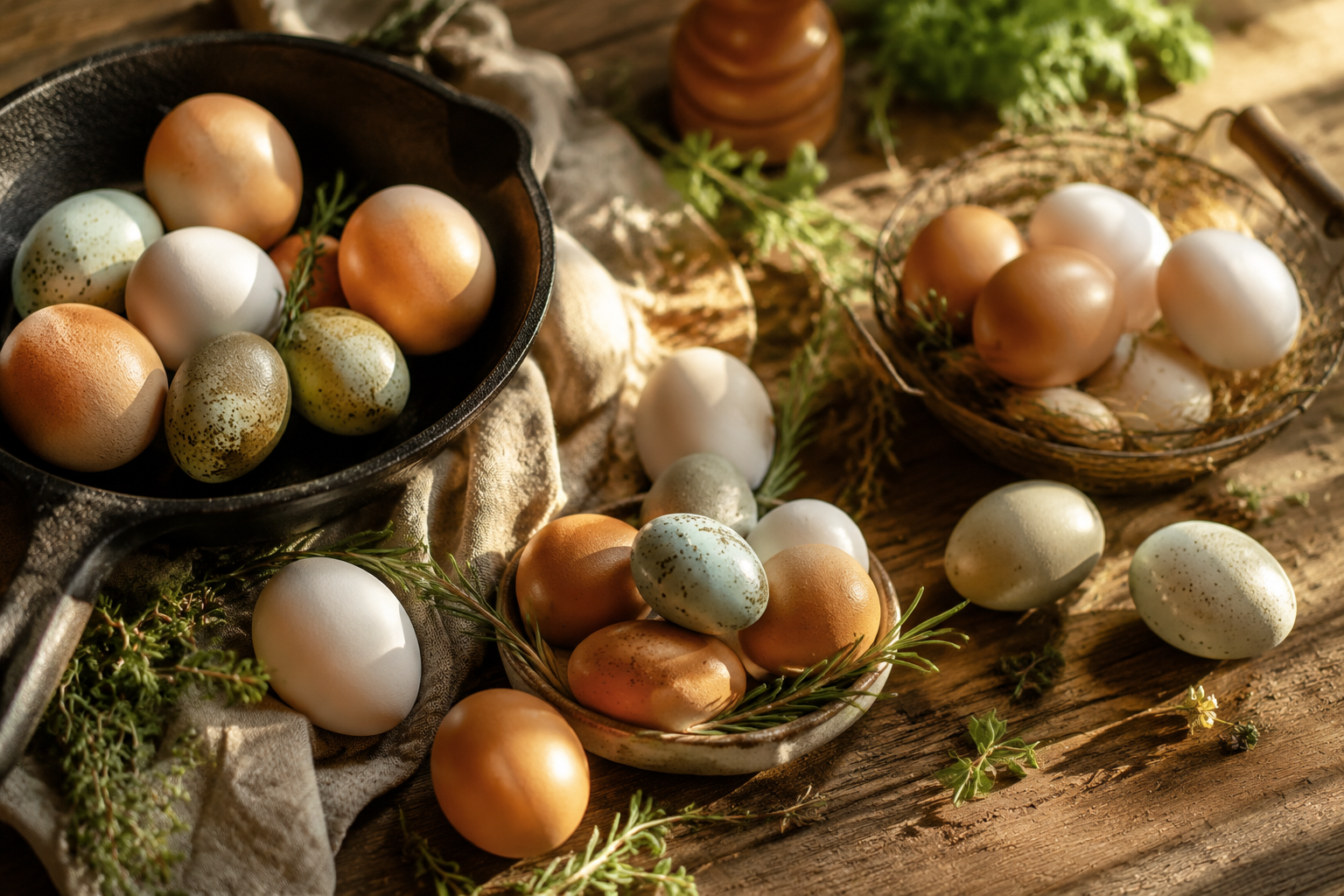
The best egg for any June 3 Egg Day celebration depends on the recipe and personal values around sourcing. From a nutritional standpoint, all chicken eggs are broadly similar regardless of shell color — the breed of the hen determines shell color, not flavor or nutritional content [4].
Choosing eggs by type:
- Conventional eggs: Most affordable, widely available, suitable for baking and high-volume cooking
- Free-range eggs: Hens have outdoor access; often preferred for flavor and ethical reasons
- Pasture-raised eggs: Hens roam on open pasture; yolks tend to be richer and more orange in color
- Organic eggs: Hens are fed certified organic feed with no synthetic pesticides
- Duck or quail eggs: Specialty options with slightly different flavor profiles, worth trying on a food holiday
For cooking methods that highlight the egg itself (poached, fried, soft-boiled), pasture-raised or free-range eggs tend to produce the most visually striking results due to their deeper yolk color.
Are There Any Health Risks or Allergies to Know About?
Eggs are among the most common food allergens, particularly in children. Egg allergy is distinct from egg intolerance and can cause reactions ranging from mild hives to severe anaphylaxis. Anyone with a known egg allergy should avoid egg-based dishes and check ingredient labels carefully on packaged foods.
For the general population, eggs are considered safe and nutritious when handled and cooked properly. Key food safety points:
- Store eggs in the refrigerator at or below 40°F (4°C)
- Cook eggs until both the white and yolk are firm to reduce the risk of Salmonella
- Do not use cracked or dirty eggs without thorough cooking
- Wash hands after handling raw eggs
Eggs are also high in dietary cholesterol, though current nutrition guidance generally considers moderate egg consumption safe for most healthy adults. Anyone with specific cardiovascular concerns should consult a healthcare provider.
Can Vegetarians or Vegans Participate in Egg Day?
Lacto-ovo vegetarians eat eggs, so June 3 Egg Day is fully accessible to them. Vegans, who avoid all animal products including eggs, can still participate in the spirit of the day through several approaches:
- Cooking with plant-based egg substitutes (aquafaba, flaxseed “eggs,” commercial egg replacers)
- Exploring the cultural and agricultural history of eggs without consuming them
- Participating in egg-themed trivia, art, or craft activities
- Hosting events that offer both egg-based and vegan egg-substitute dishes side by side
The day is broad enough to include educational participation, and many vegan food advocates use June 3 as an opportunity to discuss sustainable and plant-based alternatives.
What If I Don’t Like Eggs — Can I Still Join the Celebration?
Not enjoying eggs is no barrier to participating in June 3 Egg Day. The holiday has a cultural and educational dimension that extends well beyond eating. Non-egg-eaters can:
- Attend or host egg-themed trivia nights
- Learn about the history of egg farming and domestication
- Try egg-free baked goods that use substitutes and compare results
- Explore the science of eggs (shell structure, yolk pigmentation, protein chemistry) without cooking
- Support local farmers by purchasing eggs as a gift for someone else
The day is ultimately about appreciating a food that has shaped human history and cuisine for thousands of years, and that appreciation does not require a fork.
FAQ
What date is June 3 Egg Day? June 3 Egg Day falls on June 3 every year. It is also called National Egg Day and is observed annually in the United States.
Is National Egg Day an official U.S. holiday? No. June 3 Egg Day is an informal food holiday with no government designation. It is recognized by food calendars, brands, and food culture communities.
How many eggs does the average American eat per year? The average American consumes approximately 285 eggs per year, according to National Day Calendar [1].
Does eggshell color affect taste or nutrition? No. Eggshell color is determined by the breed of the hen and has no effect on flavor or nutritional content [4].
When was the egg carton invented? The egg carton was invented in 1911 by Joseph Coyle in Canada, originally designed to prevent eggs from breaking during transport [5].
How many ways can you cook an egg? There are over 100 documented cooking methods for eggs, including scrambled, fried, poached, hard-boiled, soft-boiled, baked, and many regional variations [3].
How long have humans been eating eggs? Archaeological and historical evidence suggests humans have consumed eggs since at least 1400 B.C., with records from ancient Egypt and China [2].
Are eggs good for you? An average egg contains approximately 75 calories, 5 grams of fat, and is a rich source of protein and vitamin D [1]. Most nutrition authorities consider eggs a healthy food for the general population in moderate amounts.
Can I celebrate June 3 Egg Day if I’m vegan? Yes. Vegans can participate through plant-based egg substitute cooking, educational activities, egg-themed crafts, and community events without consuming eggs.
How many eggs do U.S. farmers produce each year? American egg farmers produce approximately 100 billion eggs annually [1].
What makes a yolk more orange or yellow? Yolk color is influenced by the hen’s diet. Feeding hens marigold petals or other carotenoid-rich foods produces brighter, more orange yolks [4].
How should eggs be stored for maximum freshness? Store eggs in the refrigerator, ideally pointed-end down to keep the yolk centered and reduce air exposure, which may help extend freshness [1].
Conclusion
June 3 Egg Day is a straightforward but genuinely worthwhile occasion to engage with one of the world’s oldest and most versatile foods. Whether the goal is to master a new recipe, teach children about food science, support local egg farmers, or simply eat a better breakfast, the day offers a clear and accessible entry point.
Actionable next steps for June 3:
- Choose one egg recipe you have never tried before and cook it from scratch
- Buy eggs from a local farm or farmers’ market to support regional agriculture
- Share a dish or an egg fact on social media using #NationalEggDay or #June3EggDay
- If you have children, try a simple egg science experiment (floating eggs in salt water, for example)
- If you avoid eggs, explore a plant-based egg substitute recipe and compare results with a traditional version
The history behind June 3 Egg Day spans more than three millennia, from ancient Egyptian farmyards to modern commercial production of 100 billion eggs a year. That story is worth a single day of attention.
References
[1] National Egg Day June 3 – https://nationaldaycalendar.com/national-day/national-egg-day-june-3?utm_source=openai
[2] National Egg Day – https://nationaltoday.com/national-egg-day/?utm_source=openai
[3] National Egg Day – https://www.punchbowl.com/holidays/national-egg-day?utm_source=openai
[4] 15 June 3 Egg Day Egg Facts You May Not Know – https://www.farmersalmanac.com/15-june-3-egg-day-egg-facts-you-may-not-know?utm_source=openai
[5] National Egg Day – https://www.calendarr.com/united-states/national-egg-day/?utm_source=openai
