

Last updated: June 28, 2026
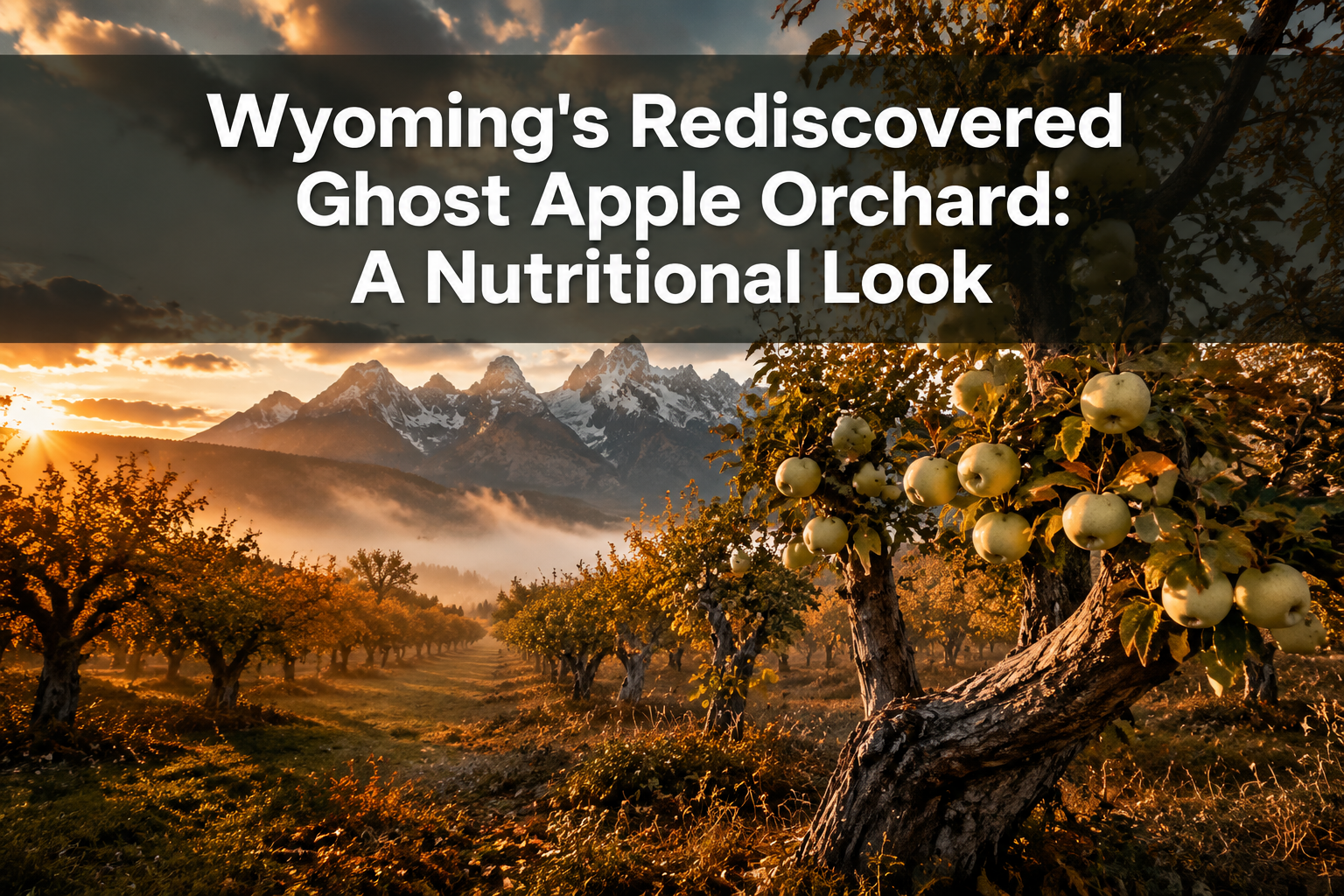
Quick Answer: Wyoming’s rediscovered ghost apple orchards are historic heritage apple sites, some dating to the 1870s, that have been brought back into production after decades of neglect. The apples from these cold-hardy trees offer a nutritional profile comparable to or exceeding modern commercial varieties, with potentially higher antioxidant and polyphenol content due to their genetic diversity and low-input growing conditions. In 2026, these orchards are supplying local cider houses and drawing renewed interest from researchers, foragers, and food enthusiasts alike.
Key Takeaways
- Wyoming’s ghost apple orchards trace back to homesteads established as early as 1873, with some trees still producing fruit today.
- A 2019 study identified 218 heritage apple cultivars grown in Wyoming between 1870 and 1940, sourced from 28 states and six countries.
- Genetic fingerprinting successfully identified 66% of sampled heritage trees across 91 Wyoming sites, confirming the diversity still present.
- Heritage apples from these orchards tend to have denser flesh and more complex phytochemical profiles than mass-produced supermarket varieties.
- Wyoming’s harsh climate selects for cold-hardy cultivars that produce fruit with concentrated sugars and higher skin-to-flesh ratios, which may boost antioxidant content.
- Local cider houses are now using ghost apple orchard fruit to create distinctive regional products with complex tannin and acid profiles.
- The “ghost apple” label in Wyoming refers to forgotten or abandoned orchard trees, not the Michigan ice-shell weather phenomenon.
- Harvest season for most Wyoming heritage apple varieties runs from late August through mid-October.
- Ghost apples are safe to eat, though some heritage varieties are better suited to cider, cooking, or drying than fresh eating.
- Preservation efforts led by Central Wyoming College and the University of Wyoming are critical to saving cultivars that may be genetically unique.
What Is Wyoming’s Ghost Apple Orchard and Where Is It Located
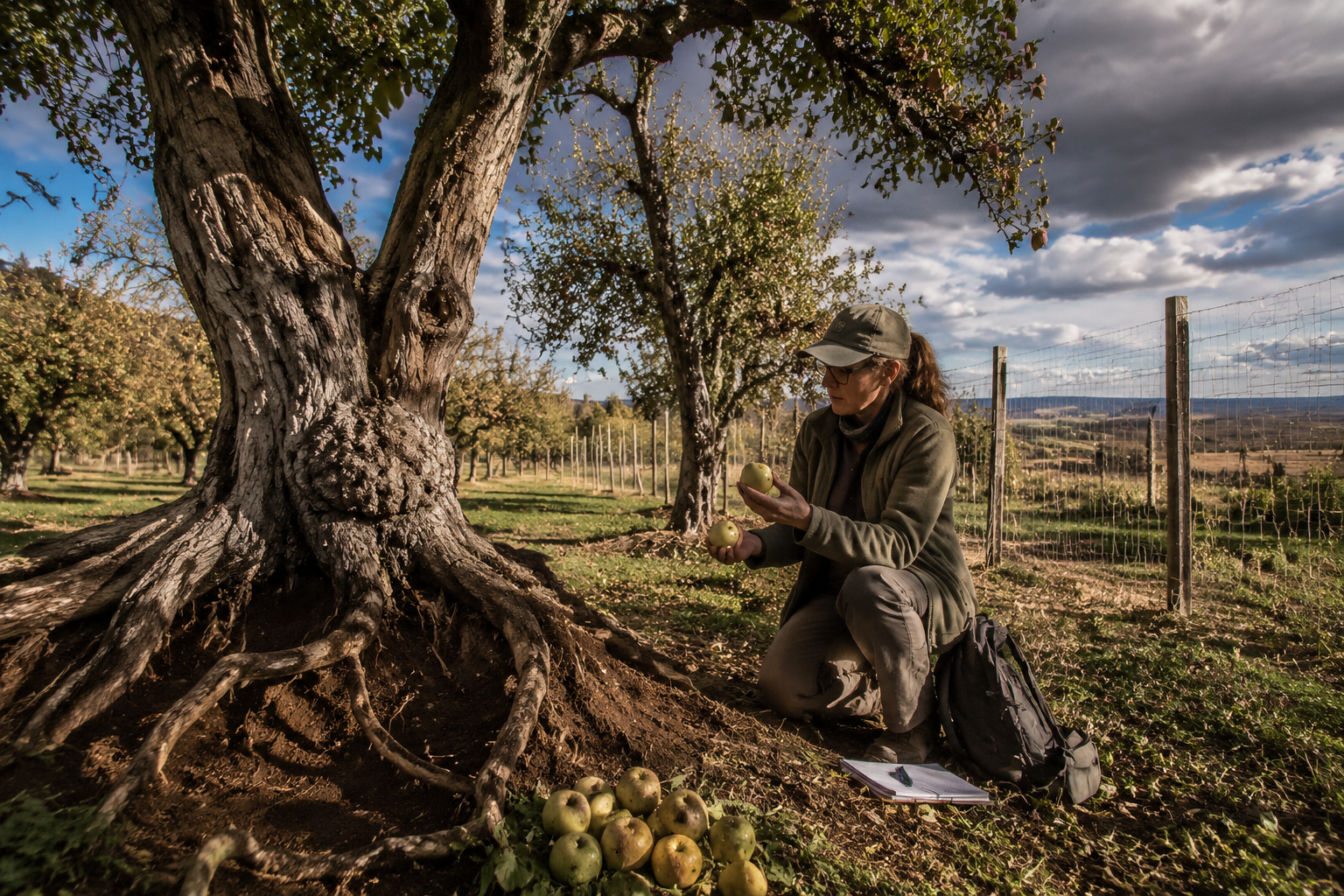
Wyoming’s ghost apple orchards are not a single site but a collection of historic orchard remnants scattered across the state, many originating from homestead-era plantings in the late 19th century. The most documented example is the orchard at Central Wyoming College’s Alpine Science Institute near Lander, Wyoming, originally homesteaded in 1873. [4]
This orchard became one of Wyoming’s first commercial apple operations and was donated to the University of Wyoming in 1892, where it served as an agricultural experiment site until 1943. [4] After decades of dormancy, the site is now being actively restored. Other ghost orchards exist on former homestead properties across Fremont, Sublette, and Carbon counties, many identified through the University of Wyoming’s Wyoming Apple Project. [5]
The term “ghost orchard” in Wyoming refers specifically to abandoned or forgotten orchards where trees have survived without human care, not the ice-shell weather phenomenon documented in Michigan in 2019. [7]
Ghost Apple Orchard Wyoming History and How It Was Rediscovered
The rediscovery of Wyoming’s ghost apple orchards is the result of decades of quiet academic fieldwork. University of Wyoming Botany Professor Steve Miller launched the Wyoming Apple Project to locate and document heritage apple varieties planted during the 19th and early 20th centuries. [5]
The most significant research breakthrough came with a 2019 study that used genetic fingerprinting to identify heritage cultivars across 91 Wyoming sites. Of 510 sampled trees, 335 (66%) were successfully matched to known cultivars, revealing that many trees once thought lost were still alive and genetically distinct. [3] A companion study published the same year catalogued 218 cultivars grown in Wyoming between 1870 and 1940, tracing their origins to 28 states and six countries. [2]
Central Wyoming College formalized restoration efforts at the Lander orchard site, planting new trees, installing a deer-proof fence, pruning older trees, and setting up an automated drip irrigation system. [1] This work mirrors broader national efforts: in 2020, the Lost Apple Project rediscovered ten apple varieties in the Pacific Northwest that were previously considered extinct, demonstrating that heritage orchard recovery is both possible and scientifically valuable. [6]
What Nutritional Benefits Do Ghost Apples Have
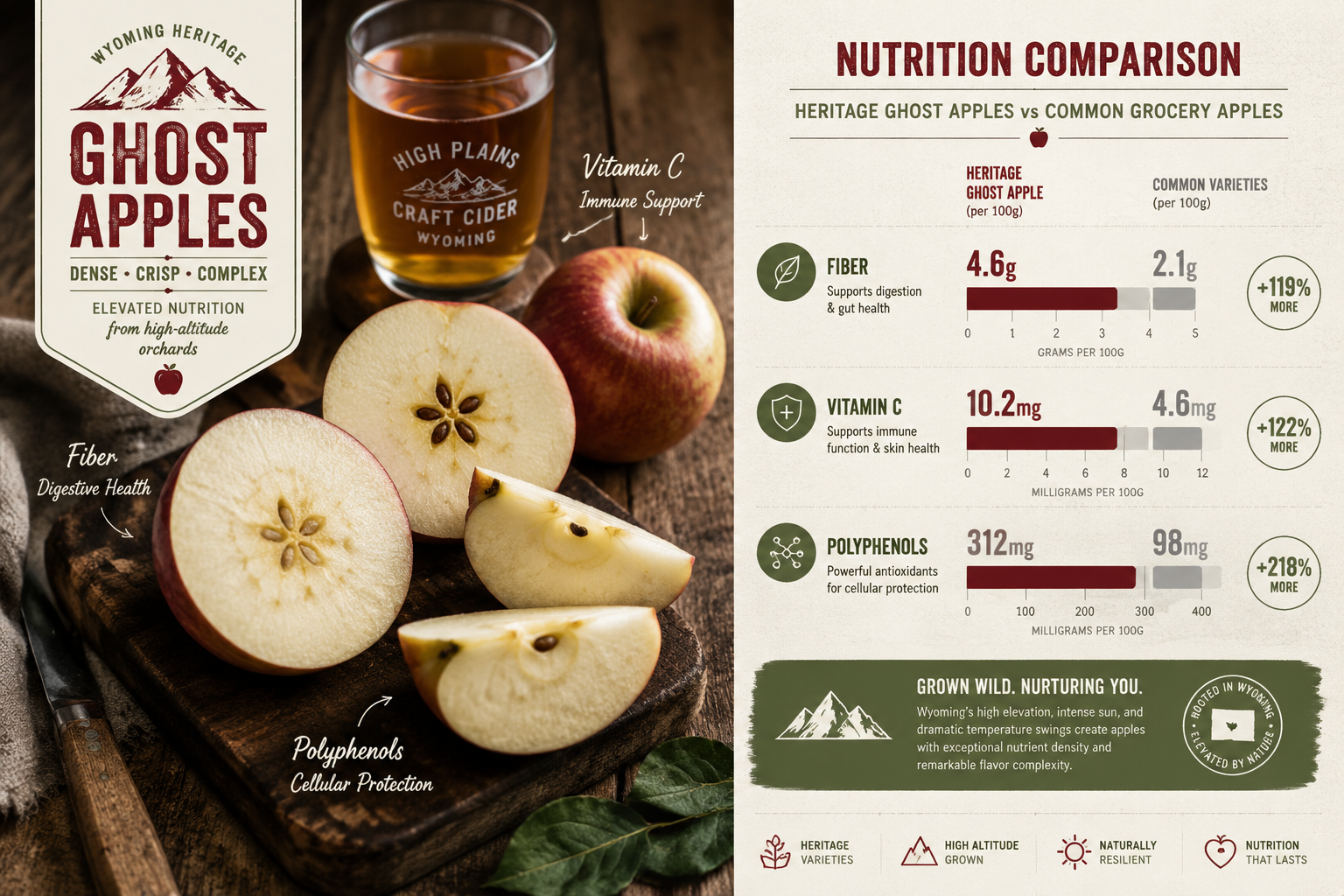
Heritage apples from Wyoming’s ghost orchards offer a strong nutritional baseline similar to all apples, plus potential advantages tied to genetic diversity and low-input growing conditions. All apple varieties provide dietary fiber, vitamin C, potassium, and a range of polyphenols including quercetin, catechin, and chlorogenic acid.
What sets heritage varieties apart is their phytochemical complexity. Because these trees were never bred for uniform appearance or long shelf life, they retained traits that commercial breeding programs often reduced, including thicker skins (a key source of antioxidants), denser flesh, and higher tannin content. Tannins are especially relevant for gut health and anti-inflammatory pathways, according to general nutrition research on polyphenol-rich foods.
Key nutritional attributes associated with heritage apple varieties:
- Dietary fiber: Supports digestive health; heritage varieties with denser flesh may deliver slightly more fiber per gram.
- Vitamin C: Present in all apples; concentration varies by cultivar and growing conditions.
- Polyphenols and antioxidants: Heritage varieties with thick skins and high tannin content may have a stronger antioxidant profile than thin-skinned commercial cultivars.
- Lower sugar density: Some cold-climate heritage apples are less sweet than modern supermarket varieties, making them a lower-glycemic option.
- Malic acid: High in many heritage varieties, contributing to tartness and potentially supporting energy metabolism.
Note: Specific nutritional data for Wyoming ghost orchard cultivars has not been published in peer-reviewed literature as of 2026. The above reflects general findings on heritage versus commercial apple nutrition and should be treated as directional rather than definitive.
How Do Ghost Apples Differ from Regular Apples Nutritionally
The core difference between Wyoming ghost apples and standard supermarket apples lies in genetic diversity and growing conditions, not a single dramatic nutritional gap. Commercial apples like Gala or Fuji are bred for sweetness, uniformity, and shelf life, which can come at the cost of skin thickness, tannin levels, and phytochemical variety.
| Attribute | Wyoming Heritage/Ghost Apple | Commercial Supermarket Apple |
|---|---|---|
| Skin thickness | Often thicker | Bred thinner for texture |
| Tannin content | Higher in many cultivars | Lower in most varieties |
| Sugar level | Variable; often lower | Consistently high |
| Flavor complexity | Complex, sometimes astringent | Mild, sweet-forward |
| Antioxidant profile | Broader polyphenol range (estimated) | Narrower, optimized cultivars |
| Shelf life | Shorter without cold storage | Extended by breeding and wax coating |
| Pesticide exposure | Minimal (abandoned/low-input sites) | Conventional orchards use more inputs |
Choose a heritage variety if flavor complexity, lower sugar, or minimal chemical exposure matters most. Choose commercial varieties if consistent sweetness, texture, and availability are the priority.
Ghost Apples Wyoming Taste and Flavor Profile
Wyoming ghost apples do not taste like a single variety because they are not one variety. The 218 cultivars documented in Wyoming’s heritage orchard research [2] include everything from tart cooking apples to mild dessert types, with many falling into the complex, tannic category prized by cider makers.
Common flavor descriptors reported for heritage Wyoming apple varieties include:
- Sharp, wine-like acidity
- Earthy or floral finish
- Astringent tannins (especially in cider-type cultivars)
- Concentrated sweetness in smaller fruit
- Spiced or nutty undertones in some late-season varieties
Local cider houses have found these flavor profiles especially useful for producing craft ciders with depth and regional character that mass-produced apple juice cannot replicate. The high malic acid and tannin content of many heritage varieties creates a natural structure in fermented cider that brewers typically have to add artificially when using commercial apple stock.
Can You Buy Ghost Apples from Wyoming Online
As of 2026, there is no established direct-to-consumer online marketplace for Wyoming ghost orchard apples. The orchards currently producing fruit are primarily research and restoration sites, with output going to academic programs, local cider producers, and community events.
The most practical ways to access Wyoming ghost apple products include:
- Local Wyoming cider houses: Several small-batch producers now source heritage apple varieties from restored orchards. Check producers in the Lander, Casper, and Jackson areas.
- Farmers markets: Seasonal availability in Wyoming’s larger towns during late summer and fall.
- Heritage apple scion exchanges: Grafting wood from identified cultivars is sometimes available through the University of Wyoming extension network for home growers.
- Central Wyoming College events: CWC occasionally holds orchard open days and educational programs. [1]
Online retail of the fresh fruit itself remains limited by short shelf life and low production volume.
Ghost Apple Orchard Wyoming Tours and Visiting Information
The CWC Alpine Science Institute orchard near Lander is the most accessible documented ghost orchard site in Wyoming. [1] As of 2026, formal public tours are not a regular offering, but the college has hosted educational events and volunteer restoration days.
For those interested in visiting:
- Contact: Central Wyoming College’s Alpine Science Institute directly for current programming.
- Best time to visit: Late August through October, during active harvest season.
- What to expect: A working restoration site, not a polished agritourism destination. Expect active pruning, irrigation infrastructure, and research activity.
- Other sites: The Wyoming Apple Project has mapped heritage orchard locations across the state, though many are on private land and not open to the public. [5]
Are Ghost Apples Safe to Eat and Any Health Concerns
Yes, ghost apples from Wyoming’s heritage orchards are safe to eat. They are simply old apple varieties that have grown without commercial inputs for decades, which generally means lower pesticide residue rather than higher health risk.
A few practical considerations:
- Wash thoroughly: Fruit from unmanaged trees may have surface debris, bird contact, or insect damage.
- Inspect for rot: Heritage apples have shorter shelf lives. Eat or process them promptly after harvest.
- Tannin sensitivity: High-tannin varieties can cause mouth-drying astringency. This is not harmful but may be unpleasant for some people.
- Allergy note: Anyone with oral allergy syndrome related to birch pollen should apply the same caution they would with any raw apple.
- Fermented products: Ciders made from heritage apples are alcoholic beverages and carry standard alcohol-related health considerations.
There are no documented toxicity concerns specific to Wyoming heritage apple varieties.
Ghost Apples vs Heirloom Apples: Which Is Healthier
“Ghost apple” and “heirloom apple” are overlapping but not identical categories. Heirloom apples are named heritage varieties with documented histories. Ghost orchard apples are trees whose variety identity may be unknown until genetic testing confirms it. Many Wyoming ghost orchard trees, once identified, turn out to be heirloom varieties. [3]
From a nutritional standpoint, both categories share the same general advantages over modern commercial apples: greater genetic diversity, higher tannin potential, thicker skins, and less selective pressure toward sugar content alone. Neither is categorically “healthier” than the other because nutrition varies by specific cultivar, growing conditions, and ripeness at harvest.
The practical takeaway: any apple grown in a low-input environment, harvested at full ripeness, and eaten with the skin on will deliver a strong nutritional return regardless of whether it carries a heritage label.
What Recipes Work Best with Wyoming Ghost Apples
Wyoming ghost apples are most valuable in applications that benefit from complexity, tartness, and structure rather than pure sweetness. Their high acid and tannin content makes them less ideal for eating fresh out of hand (depending on the cultivar) but excellent for:
- Hard cider: The primary use case for Wyoming cider houses. High tannins and malic acid create natural structure.
- Apple butter and preserves: Long cooking mellows tannins and concentrates flavor.
- Baked goods: Pies, crisps, and tarts benefit from apples that hold their shape and provide a tart counterpoint to sugar.
- Cider vinegar: Heritage apple cider vinegar retains more polyphenols than commercial versions.
- Drying and dehydrating: Concentrates flavor; works well for high-acid varieties.
- Savory pairings: Roasted with pork or game meats, where the tartness cuts through fat.
Avoid using high-tannin ghost apple varieties in recipes where raw apple sweetness is the centerpiece, such as fresh salads or simple sliced desserts.
Ghost Apple Orchard Wyoming Preservation Efforts and Why It Matters
Preservation of Wyoming’s ghost orchards is urgent because many of the trees are aging, and once they die, their genetic material is gone permanently. The 2019 genetic fingerprinting study found that 34% of sampled trees could not be matched to any known cultivar, suggesting they may represent varieties not recorded anywhere else. [3]
Central Wyoming College’s restoration project addresses this directly through active pruning, new plantings, irrigation, and fencing to protect trees from deer damage. [1] The University of Wyoming’s Wyoming Apple Project contributes by mapping, sampling, and documenting trees before they are lost. [5]
Why this matters beyond nostalgia:
- Cold-hardy genetics: Wyoming cultivars survived extreme winters for over a century. Those traits are valuable for climate-resilient agriculture.
- Disease resistance: Heritage varieties often carry resistance to diseases that affect commercial orchards.
- Biodiversity: Each lost cultivar is an irreplaceable genetic resource.
- Regional food identity: Ghost orchard apples are becoming a foundation for Wyoming’s emerging craft cider industry.
How Much Do Ghost Apples Cost and When Is Harvest Season in Wyoming
Ghost apples from Wyoming are not priced like supermarket fruit because they are not sold through conventional retail channels. When available at farmers markets or through cider house partnerships, heritage apple varieties typically command a premium over commercial apples, often in the range of two to four times the standard grocery price per pound, reflecting their limited supply and labor-intensive harvest.
Craft ciders made from Wyoming heritage apple stock are priced at the premium end of the regional craft beverage market.
Harvest season for Wyoming heritage apple varieties runs from late August through mid-October, depending on elevation and cultivar. Higher-elevation sites near the Wind River Range tend to have earlier frosts, pushing harvest toward late August. Lower-elevation valley orchards near Lander may extend into October.
- Early-season varieties: Late August to early September
- Mid-season varieties: September
- Late-season varieties: Early to mid-October
How to Grow Ghost Apple Trees at Home
Growing heritage apple trees in Wyoming or similar cold climates is achievable with the right cultivar selection and site preparation. The key constraint is cold hardiness: trees must tolerate USDA Zone 3 to 5 conditions depending on location.
Steps for home growers:
- Source scion wood or grafted trees from the University of Wyoming extension network, heritage nurseries, or scion exchanges. Named cultivars identified through the Wyoming Apple Project are the most reliable starting point. [5]
- Choose a sheltered site with good air drainage to reduce late frost damage to blossoms.
- Prepare soil with good organic matter and drainage. Wyoming soils often need amendment.
- Install deer protection immediately. Deer pressure is severe in Wyoming and will destroy young trees without fencing. [1]
- Use drip irrigation if rainfall is insufficient. The CWC restoration project uses an automated drip system for this reason. [1]
- Prune annually in late winter before bud break to maintain structure and fruit production.
- Expect a 3-to-5-year wait before meaningful fruit production from grafted trees.
Choose a named cold-hardy cultivar if you want reliable production. Choose an unidentified heritage seedling if you are willing to wait and experiment for potentially unique results.
Conclusion
Wyoming’s Rediscovered Ghost Apple Orchard: A Nutritional Look reveals far more than a feel-good story about old trees coming back to life. These orchards represent a living genetic library of cold-hardy apple cultivars, many of which may hold nutritional and agricultural value that modern breeding programs have not yet catalogued. The combination of thick skins, high tannin content, complex polyphenol profiles, and low-input growing conditions makes ghost orchard apples a genuinely interesting subject for nutrition researchers, cider makers, and home growers alike.
Actionable next steps for 2026:
- Follow Central Wyoming College’s Alpine Science Institute for orchard events and volunteer opportunities. [1]
- Seek out Wyoming craft ciders made with heritage apple varieties as the most accessible way to taste this history.
- If you grow apples in a cold climate, contact the University of Wyoming extension service about sourcing identified heritage cultivars from the Wyoming Apple Project. [5]
- Support orchard preservation efforts financially or through volunteer labor. The window to save aging trees is narrow.
- Watch for emerging peer-reviewed nutritional studies on heritage apple cultivars as the field grows.
The ghost orchards of Wyoming are no longer just ghosts. They are producing, and what they produce is worth paying attention to.
FAQ
What exactly is a ghost apple orchard in Wyoming? A ghost apple orchard in Wyoming is an abandoned or forgotten orchard, often from the homestead era of the 1870s to early 1900s, where apple trees have survived without human care. The term refers to the orchard’s forgotten status, not a specific apple variety.
Are Wyoming ghost apples a real apple variety? No. “Ghost apple” in Wyoming refers to apples from rediscovered abandoned orchards, not a named cultivar. The trees in these orchards belong to many different heritage varieties, some identified through genetic testing and some still unknown.
How were Wyoming’s ghost orchards rediscovered? Academic researchers, primarily through the University of Wyoming’s Wyoming Apple Project and a 2019 genetic fingerprinting study, located and sampled trees across 91 Wyoming sites, identifying surviving heritage cultivars that had been forgotten for decades.
Do ghost apples taste good fresh? It depends on the cultivar. Some heritage varieties are pleasant for fresh eating, while others are highly tannic or acidic and better suited to cider, cooking, or drying. Tasting is the only reliable way to assess a specific tree’s fresh-eating quality.
Why are Wyoming cider houses interested in ghost orchard apples? Heritage apple varieties from ghost orchards have higher tannin and acid levels than commercial apples, which gives craft ciders natural structure, complexity, and regional character that standard apple juice cannot provide.
Is there nutritional research specifically on Wyoming ghost orchard apples? As of 2026, no peer-reviewed nutritional studies focus specifically on Wyoming ghost orchard apple cultivars. General research on heritage versus commercial apple nutrition suggests advantages in polyphenol content and antioxidant diversity, but cultivar-specific data for Wyoming varieties is not yet published.
Can I visit Wyoming’s ghost apple orchards? The most accessible site is the Central Wyoming College orchard near Lander. Formal public tours are not regularly scheduled, but educational events and volunteer days are occasionally offered. Many other heritage orchard sites are on private land.
When is the best time to find ghost apples at Wyoming farmers markets? Late August through mid-October is the primary harvest window, with peak availability in September for most mid-season heritage varieties.
How do I get heritage apple trees from Wyoming orchards for my own garden? Contact the University of Wyoming extension service or follow the Wyoming Apple Project for information on scion exchanges and grafted tree availability. Named cold-hardy cultivars identified through the project are the most reliable option for home growers.
Are ghost apples from Wyoming organic? The abandoned orchard trees have not received commercial pesticide applications, but they are not certified organic. Fruit from active restoration sites like the CWC orchard is managed with minimal inputs. Always wash fruit before eating.
What is the difference between a ghost orchard apple and a heirloom apple? Heirloom apples are named heritage varieties with documented histories. Ghost orchard apples are trees whose identity may be unknown. Many Wyoming ghost orchard trees turn out to be heirloom varieties once genetically identified.
How long do Wyoming ghost apple trees live? Some trees in Wyoming’s ghost orchards are estimated to be over 100 years old and still producing fruit, demonstrating exceptional longevity when the rootstock and cultivar are well-matched to the local climate.
References
[1] Orchard – https://www.cwc.edu/orchard/?utm_source=openai
[2] Heritage Apple Cultivars Grown In Homesteads Nurseries And Orchards In Wyoming – https://www.researchgate.net/publication/330857497_Heritage_Apple_Cultivars_Grown_in_Homesteads_Nurseries_and_Orchards_in_Wyoming?utm_source=openai
[3] Publication (USDA ARS Genetic Fingerprinting Study) – https://www.ars.usda.gov/research/publications/publication/?seqNo115=355483&utm_source=openai
[4] ArcGIS StoryMap: CWC Orchard History – https://storymaps.arcgis.com/stories/2226777fdab54f69ad07990e31ab71fb/?utm_source=openai
[5] Heritage Apples Miller Focuses On Wyoming Apple Project – https://www.wylr.net/2013/12/28/heritage-apples-miller-focuses-on-wyoming-apple-project/?utm_source=openai
[6] 10 Apple Varieties Once Thought Extinct Are Rediscovered Pacific Northwest – https://www.smithsonianmag.com/smart-news/10-apple-varieties-once-thought-extinct-are-rediscovered-pacific-northwest-180974694/?utm_source=openai
[7] Ghost Apples Spotted Hanging From Icy Trees In Michigan Orchard – https://www.accuweather.com/en/weather-news/ghost-apples-spotted-hanging-from-icy-trees-in-michigan-orchard/336874?utm_source=openai
