

Last updated: July 7, 2026
Quick Answer
No, energy drinks are not all the same. They vary significantly in caffeine content, sugar levels, active ingredients, serving size, and intended purpose. A single can of one brand may contain twice the caffeine of another, and some products include compounds like taurine, guarana, or adaptogens that others skip entirely. Treating them as interchangeable can be a genuine health risk.
Key Takeaways
- Caffeine content across energy drinks ranges from roughly 80 mg to over 300 mg per serving, making product-to-product comparisons essential before consumption [1]
- Common active ingredients beyond caffeine include taurine, B-vitamins, guarana, ginseng, and L-carnitine, each with different effects and evidence bases [3]
- Sugar-free versions use artificial or natural sweeteners and are not automatically healthier than regular versions in every measurable way
- Energy drinks differ from sports drinks, which are formulated for hydration and electrolyte replacement rather than stimulation
- People with heart conditions, high blood pressure, or caffeine sensitivity should treat energy drinks as a category requiring medical guidance, not a casual choice [2]
- Mixing energy drinks with alcohol masks the sedative effects of alcohol, increasing the risk of overconsumption [9]
- The cheapest energy drinks are not necessarily weaker; price reflects branding and distribution more than ingredient potency
- How long an energy drink lasts in your system depends largely on individual caffeine metabolism, but effects typically peak within 30 to 60 minutes and may last 3 to 5 hours [3]
What Ingredients Make Energy Drinks Different From Each Other
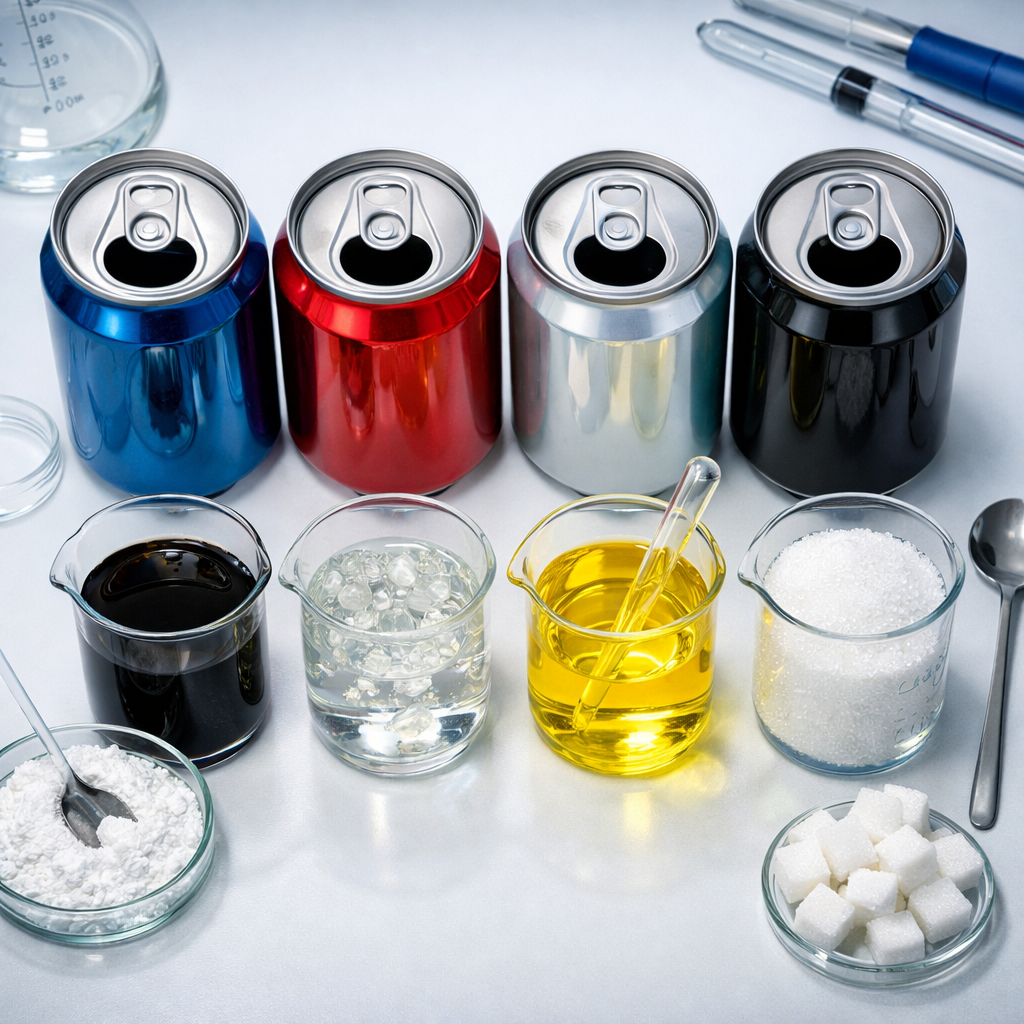
Energy drinks differ from each other primarily through their ingredient formulations. While caffeine is the common thread, brands vary widely in what else they add, at what dose, and in what combination.
Core ingredients found across most energy drinks:
- Caffeine (from synthetic sources, guarana, or green tea extract)
- Taurine (an amino acid often included at 1,000 mg per serving)
- B-vitamins (B3, B6, B12 are most common)
- Sugar or sweetener (sucrose, glucose, sucralose, or stevia)
Ingredients that differ by brand or product line:
- Guarana: A plant-based caffeine source that adds to total caffeine load, sometimes without being clearly labeled as such [3]
- Ginseng: Included for claimed cognitive support, though evidence for performance enhancement is limited [5]
- L-carnitine: Marketed for fat metabolism, primarily in fitness-oriented products
- Adaptogens (ashwagandha, rhodiola): Found in newer “wellness” energy drinks targeting stress reduction alongside stimulation
- Electrolytes: Present in hybrid energy-sports drinks
The interaction between these compounds matters. Caffeine combined with taurine may affect cardiovascular function differently than caffeine alone, and the research on combined ingredient effects is still developing [1].
Do All Energy Drinks Have the Same Amount of Caffeine
No. Caffeine content is one of the most variable factors across energy drink products, and this variability is large enough to matter clinically. Products range from approximately 80 mg per serving to well over 300 mg, and serving sizes are not standardized [3].
Caffeine content by product category (approximate ranges):
| Product Type | Typical Caffeine Range | Serving Size |
|---|---|---|
| Standard mainstream cans (e.g., Red Bull 8.4 oz) | 80 mg | 8.4 fl oz |
| Mid-range mainstream cans (e.g., Monster 16 oz) | 160 mg | 16 fl oz |
| High-caffeine brands | 200-300+ mg | 16 fl oz |
| Energy shots (2 oz format) | 200 mg | 2 fl oz |
The FDA’s generally recognized safe daily caffeine intake for healthy adults is up to 400 mg [3]. Consuming two high-caffeine cans in a day can push a person close to or past that threshold before accounting for coffee, tea, or other dietary caffeine sources.
Common mistake: Assuming a larger can means proportionally more caffeine. Some 24 oz products contain the same caffeine as a 16 oz version because the formula is diluted.
What Is the Difference Between Energy Drinks and Other Caffeinated Beverages
Energy drinks are not the same as coffee, tea, or sports drinks, even when caffeine content is similar. The key difference is the combination of stimulant compounds and the speed at which they are typically consumed.
- Coffee: Primarily caffeine plus antioxidants. No added taurine, B-vitamins, or sugar in standard black coffee. Consumed slowly, usually hot.
- Tea: Lower caffeine, contains L-theanine which moderates caffeine’s stimulant effect, producing a calmer alertness than energy drinks.
- Sports drinks (e.g., Gatorade, Powerade): Formulated for electrolyte and carbohydrate replacement during physical activity. Most contain no caffeine and are not stimulants.
- Energy drinks: Combine caffeine with multiple bioactive compounds, often in cold, carbonated, sweetened formats that encourage faster consumption.
The multi-ingredient nature of energy drinks is what sets them apart, and it is also what makes blanket comparisons to coffee misleading [4].
Are Energy Drinks Bad for You Compared to Coffee
For most healthy adults, moderate coffee consumption has a well-established safety profile backed by decades of research. Energy drinks carry more uncertainty, primarily because of their multi-ingredient formulas and the tendency for consumers to drink them faster and in larger volumes than coffee [2].
Key concerns specific to energy drinks versus coffee:
- Higher acute caffeine dose: A single large energy drink can deliver 200 to 300 mg of caffeine in minutes, faster than most people drink a cup of coffee
- Added stimulant compounds: Guarana adds caffeine beyond what is listed if labeled separately; combined with taurine, cardiovascular effects may be amplified [1]
- Sugar load: Regular energy drinks can contain 25 to 54 grams of sugar per can, far exceeding a plain cup of coffee
- Marketing to younger consumers: Energy drinks are disproportionately consumed by adolescents, for whom caffeine thresholds are lower [4]
“The cardiovascular effects of energy drinks may not be attributable to caffeine alone, suggesting the combination of ingredients warrants independent evaluation.”, National Center for Complementary and Integrative Health [3]
What Energy Drink Should You Avoid If You Have Heart Problems
People with diagnosed heart conditions, arrhythmias, high blood pressure, or structural cardiac abnormalities should approach all energy drinks with caution, and ideally avoid them without medical clearance. This applies regardless of brand or caffeine level.
Research has linked energy drink consumption to increased heart rate, elevated blood pressure, and in rare cases, serious cardiac events, particularly in individuals with underlying conditions [2][10].
Specific risk factors that increase concern:
- Long QT syndrome or other arrhythmia diagnoses
- Hypertension (high blood pressure)
- History of heart attack or stroke
- Use of stimulant medications (ADHD medications, certain antidepressants)
- Pregnancy
Decision rule: If you have any diagnosed cardiovascular condition, avoid all high-caffeine energy drinks (above 100 mg per serving) until you have spoken with a cardiologist. This is not specific to one brand; it applies across the category.
Best Energy Drink for Working Out vs. Studying
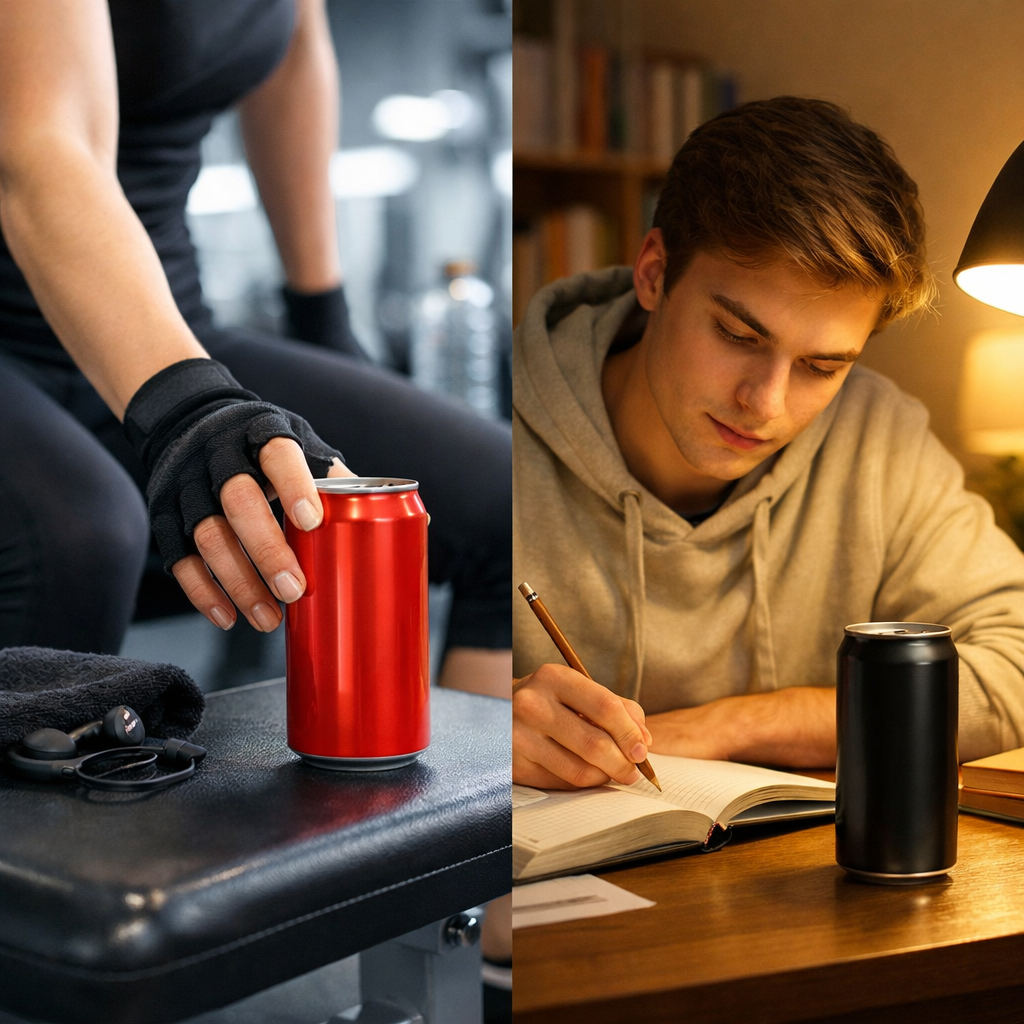
The ideal energy drink depends on the task. For physical performance, the research supports caffeine as an ergogenic aid, but the optimal dose and timing matter. For cognitive tasks like studying, lower doses with added L-theanine or B-vitamins may produce more focused, less jittery alertness [5].
For working out:
- Look for 150 to 200 mg caffeine per serving
- Consume 30 to 60 minutes before exercise
- Avoid products high in sugar if fat loss is a goal
- Hydration matters: energy drinks are not a substitute for water during exercise
For studying:
- Lower caffeine (80 to 120 mg) reduces the risk of anxiety or focus disruption
- Products containing L-theanine may smooth the stimulant effect
- Avoid very high-sugar versions, which can cause energy crashes mid-session
Common mistake: Reaching for the strongest product available regardless of context. More caffeine does not mean better cognitive performance; past a certain threshold, it impairs concentration and increases anxiety [5].
Are Sugar-Free Energy Drinks Better Than Regular Ones
Sugar-free energy drinks eliminate the sugar-related caloric load and reduce the risk of blood sugar spikes, but they are not automatically a healthier choice in every way. The caffeine and other stimulant compounds remain, and the sweeteners used (sucralose, acesulfame potassium) have their own ongoing research questions regarding gut microbiome effects [6].
Where sugar-free wins:
- Lower calorie count (typically under 10 calories vs. 100 to 220 in regular versions)
- Reduced glycemic impact, relevant for people managing blood sugar
- Less dental erosion from sugar, though acidity from carbonation still applies
Where the difference is smaller than expected:
- Caffeine content is usually identical to the regular version
- Cardiovascular risk profile is similar
- Some people consume more sugar-free cans because they perceive them as “safe,” negating the benefit
Can You Mix Energy Drinks With Alcohol Safely
Mixing energy drinks with alcohol is not safe and is associated with significantly higher rates of alcohol-related harm. The stimulant effect of caffeine masks the sedative signals that normally tell a person they have had enough to drink, leading to higher alcohol consumption and greater impairment than the person perceives [9].
Research from the American College of Sports Medicine notes that people who mix energy drinks with alcohol are more likely to drink excessively, experience alcohol poisoning, and engage in risky behaviors compared to those drinking alcohol alone [9].
Key facts:
- The caffeine in energy drinks does not reduce blood alcohol concentration; it only reduces the perception of intoxication
- Pre-mixed alcoholic energy drinks have been banned or restricted in several countries due to these risks
- Even small amounts of caffeine can disrupt the body’s natural intoxication signals when combined with alcohol
How Long Does an Energy Drink Last in Your System
The stimulant effects of an energy drink typically begin within 15 to 45 minutes of consumption and peak around 30 to 60 minutes. The half-life of caffeine in healthy adults averages approximately 5 hours, meaning half the caffeine is still active in the bloodstream 5 hours after consumption [3].
Factors that affect duration:
- Genetics: Some people metabolize caffeine quickly (CYP1A2 fast metabolizers); others process it slowly
- Body weight and composition: Higher body weight generally correlates with faster clearance
- Medications: Oral contraceptives and certain antibiotics slow caffeine metabolism
- Tolerance: Regular caffeine users may feel effects for a shorter period but still have caffeine in their system
Practical implication: Consuming an energy drink after 3 p.m. may still affect sleep quality at 11 p.m. for slow metabolizers.
Cheapest vs. Most Expensive Energy Drinks: Does Price Reflect Quality
Price does not reliably predict caffeine potency or ingredient quality in energy drinks. Budget store-brand products often contain comparable or even higher caffeine levels than premium brands. The price premium on top brands reflects marketing, distribution, and brand equity rather than superior formulation [8].
What you are actually paying for in premium brands:
- Brand recognition and sponsorship costs
- Flavor variety and packaging design
- Retail shelf placement fees
- International distribution infrastructure
What to check regardless of price:
- Total caffeine per serving (not per can if the can contains multiple servings)
- Whether guarana is listed separately (adds to total caffeine)
- Sugar content per serving
- Presence of ingredients you are specifically seeking or avoiding
Why Do Some Energy Drinks Taste So Different
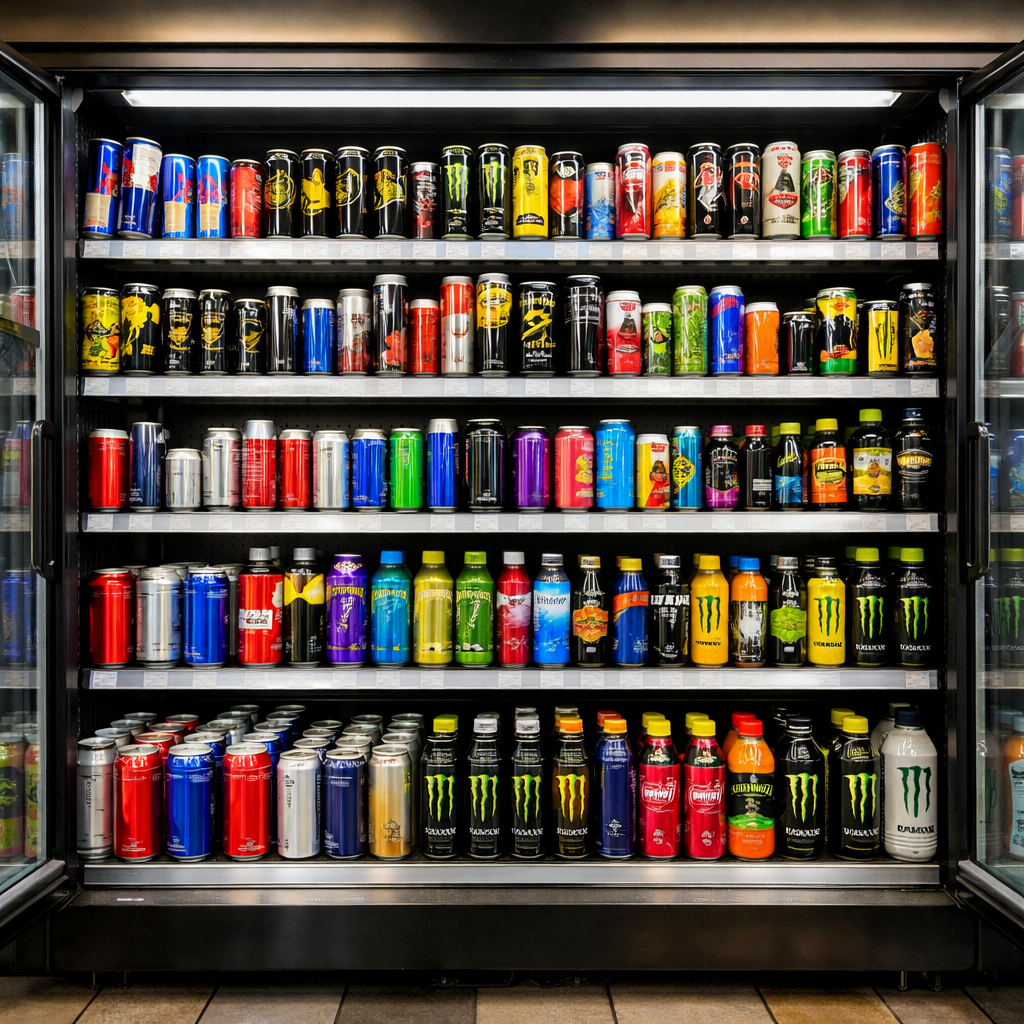
Flavor variation across energy drinks comes from differences in sweetener type, carbonation level, added fruit flavoring, and the taste-masking required for ingredients like taurine and B-vitamins, which have bitter or medicinal profiles at high concentrations.
- Taurine has a slightly bitter, salty aftertaste that brands mask differently
- B-vitamins (especially B3 and B12) contribute a distinctive “vitamin” flavor
- Sweetener choice dramatically changes the taste profile: sucrose tastes different from sucralose, which tastes different from stevia
- Carbonation level affects perceived sweetness and harshness
This is why two products with nearly identical ingredient lists can taste completely different. It is also why “sugar-free” versions of the same brand taste noticeably different from their regular counterparts.
FAQ
Are all energy drinks the same in terms of safety? No. Safety varies based on caffeine content, total ingredient load, serving size, and the health status of the person consuming them. A product with 80 mg of caffeine and one with 300 mg present very different risk profiles.
Is Red Bull the same as Monster? No. Red Bull’s standard 8.4 oz can contains 80 mg of caffeine, while a standard 16 oz Monster contains 160 mg. Their ingredient lists, serving sizes, and formulations differ meaningfully.
Can teenagers drink energy drinks? Major health organizations, including the American Academy of Pediatrics, advise against energy drink consumption for children and adolescents due to caffeine sensitivity and the lack of safety data for this age group [4].
Do energy drinks work better on an empty stomach? Caffeine absorbs faster on an empty stomach, meaning effects arrive more quickly but may also feel more intense or cause nausea. Consuming an energy drink with food slows absorption and smooths the stimulant effect.
Are energy drinks and sports drinks interchangeable? No. Sports drinks replace electrolytes and carbohydrates lost through sweat. Energy drinks stimulate the central nervous system. Using an energy drink as a hydration tool during exercise can increase heart rate and dehydration risk simultaneously.
How many energy drinks per day is too many? For healthy adults, most guidance points to no more than one standard energy drink per day, keeping total caffeine intake under 400 mg. Two high-caffeine cans can exceed that threshold alone [3].
Are natural energy drinks safer than conventional ones? Not necessarily. “Natural” caffeine from guarana or green tea extract has the same physiological effect as synthetic caffeine. The label “natural” does not reduce cardiovascular or other risks.
Do energy drinks cause addiction? Regular caffeine consumption, including from energy drinks, can produce physical dependence. Stopping abruptly after habitual use can cause withdrawal symptoms including headache, fatigue, and irritability [3].
Are sugar-free energy drinks safe for diabetics? People with diabetes should consult their healthcare provider. Sugar-free versions avoid the glycemic spike from sugar, but caffeine itself can affect insulin sensitivity and blood glucose regulation.
What is the strongest energy drink available? Several niche brands market products with 300 mg or more of caffeine per serving. However, “strongest” depends on total caffeine per serving, which must be read from the label rather than assumed from brand reputation.
Conclusion
Are all energy drinks the same? Clearly not. They differ in caffeine dose, ingredient combinations, sugar content, serving size, intended use, and risk profile. Treating them as a single interchangeable category is the most common and consequential mistake consumers make.
Actionable next steps:
- Read the nutrition label before purchasing: check caffeine per serving, not per can, and note whether guarana is listed separately.
- Match the product to your purpose: lower caffeine for focus-based tasks, moderate caffeine with electrolytes for physical performance.
- If you have any cardiovascular condition, consult a doctor before consuming any energy drink, regardless of brand or marketing claims.
- Avoid mixing energy drinks with alcohol under any circumstances.
- Track your total daily caffeine from all sources (coffee, tea, supplements) before adding an energy drink to the mix.
The energy drink market in 2026 is more varied than ever, with products ranging from low-stimulant wellness drinks to high-dose performance formulas. That variety is useful, but only if consumers know what they are choosing and why.
References
[1] Pmc4682602 – https://pmc.ncbi.nlm.nih.gov/articles/PMC4682602/ [2] Pmc10535526 – https://pmc.ncbi.nlm.nih.gov/articles/PMC10535526/ [3] Energy Drinks – https://www.nccih.nih.gov/health/energy-drinks [4] Pmc11385283 – https://pmc.ncbi.nlm.nih.gov/articles/PMC11385283/ [5] academic.oup – https://academic.oup.com/nutritionreviews/article/72/suppl_1/1/1929347 [6] S0022316625004225 – https://www.sciencedirect.com/science/article/pii/S0022316625004225 [8] Get The Facts – https://www.americanbeverage.org/energy/get-the-facts/ [9] Energy Drinks A Contemporary Issues Paper – https://journals.lww.com/acsm-csmr/fulltext/2018/02000/energy_drinks__a_contemporary_issues_paper.9.aspx [10] Pmc11651273 – https://pmc.ncbi.nlm.nih.gov/articles/PMC11651273/
