

Last updated: July 19, 2026
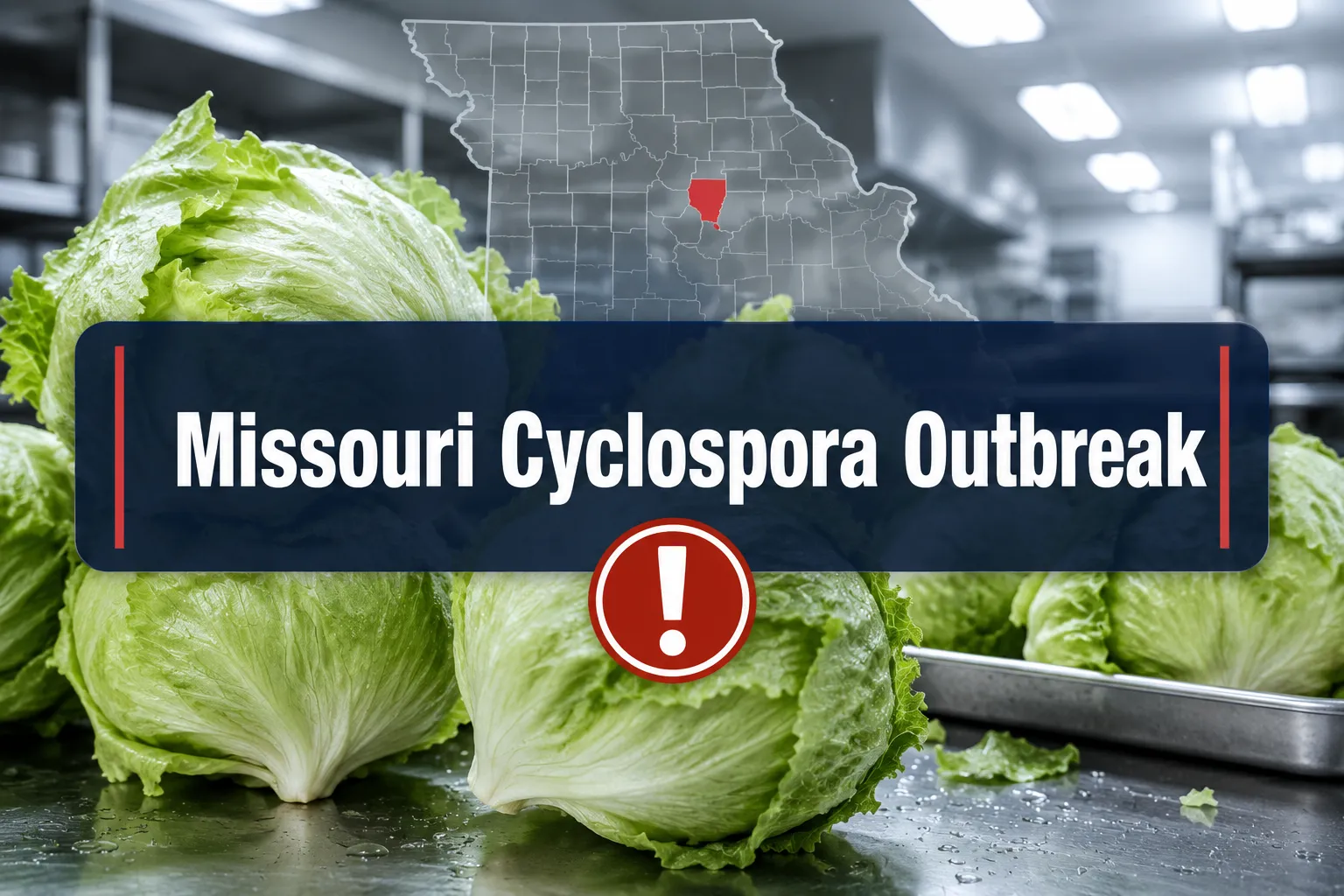
Quick Answer: A fast-moving Cyclospora outbreak in Missouri has nearly doubled in case count within days, rising from 43 to 80 confirmed cases as of July 16, 2026. The outbreak has drawn additional concern because it has been linked to a supplier previously implicated in a 2024 St. Louis E. coli scare. Missouri residents and travelers should understand the symptoms, food safety risks, and when to seek medical care.
Key Takeaways
- Missouri cyclosporiasis cases jumped from 43 to 80 in roughly one week, with Boone County reporting 13 cases as of July 16, 2026 [1]
- The parasite responsible is Cyclospora cayetanensis, spread through contaminated food or water, not person-to-person contact
- Many Missouri cases are believed to be travel-related, not directly tied to the national lettuce-linked outbreak [4]
- The FDA linked a separate five-state outbreak to shredded iceberg lettuce served at Taco Bell locations [3]
- Nationwide, over 7,000 cyclosporiasis cases have been reported since May 2026, surpassing previous records [8]
- Standard stool tests may miss Cyclospora, the CDC has issued a clinical alert urging doctors to request specific testing [7]
- Symptoms can last weeks without treatment; antibiotics (trimethoprim-sulfamethoxazole) are effective
- Washing produce under running water and practicing proper food hygiene are the most effective prevention steps [5]
What Is Cyclospora and How Do You Get It?
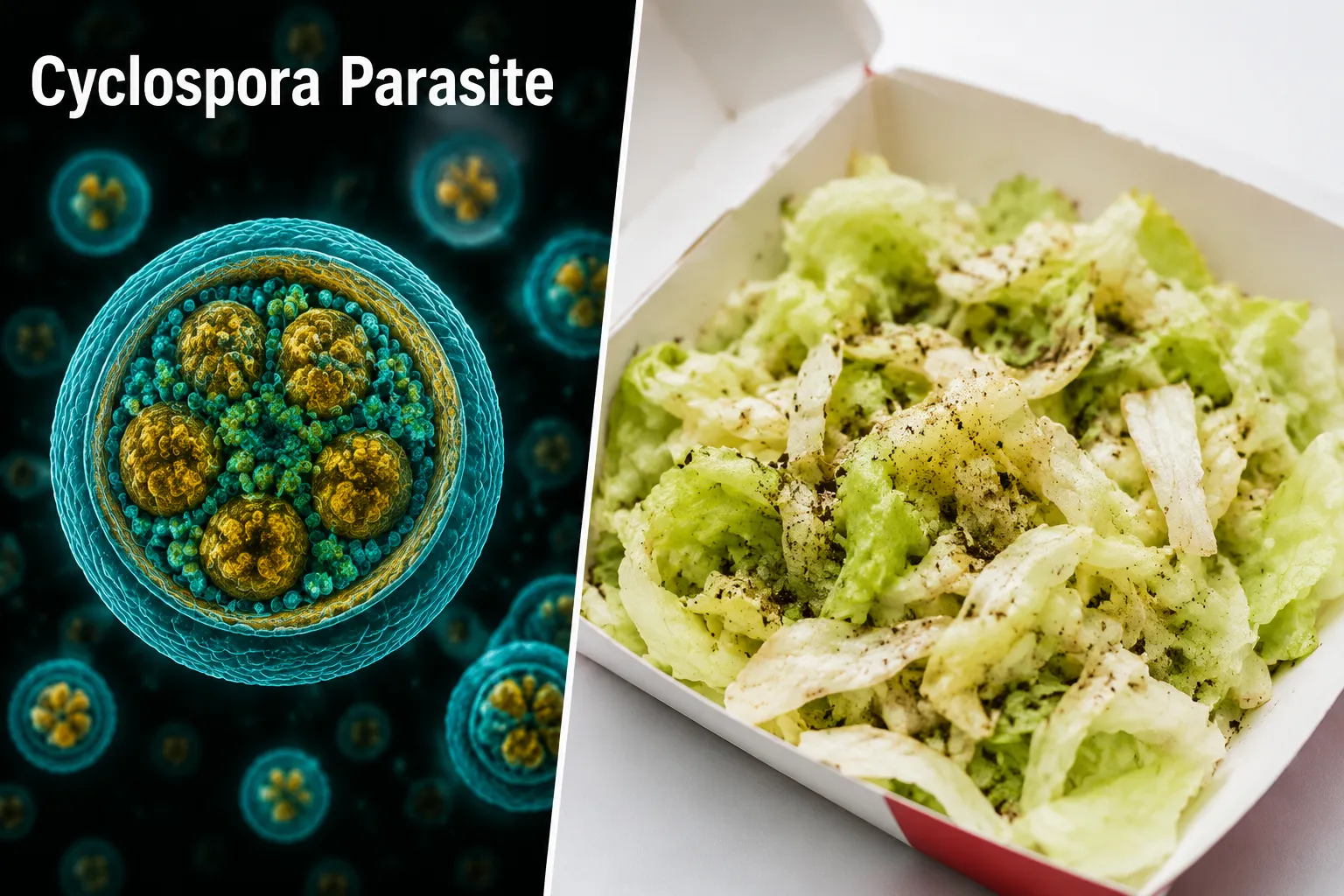
Cyclospora cayetanensis is a microscopic parasite that infects the small intestine and causes an illness called cyclosporiasis. It spreads when a person swallows food or water contaminated with fecal matter containing the parasite’s oocysts (egg-like cells). It does not spread directly from person to person.
Key facts about transmission:
- Primary route: Eating raw or minimally processed produce irrigated or washed with contaminated water
- Common vehicles: Fresh herbs, berries, leafy greens, and imported produce
- Not spread by: Touching an infected person, coughing, or sneezing
- Geographic risk: Travel to tropical or subtropical regions significantly raises exposure risk
The parasite is not killed by standard chlorine levels used in tap water treatment, which makes produce contamination the dominant concern in U.S. outbreaks.
Missouri Cyclospora Outbreak: Current Case Count and Where Cases Are
Missouri’s cyclosporiasis case count has risen sharply. As of July 16, 2026, the Missouri Department of Health and Senior Services (DHSS) confirmed 80 cases statewide, nearly double the 43 cases reported just days earlier [1]. Boone County, home to Columbia, saw its count climb from 9 to 13 cases between July 15 and July 16 alone [1].
Nationally, the scale is far larger. The CDC confirmed 1,645 domestically acquired cases across 34 states as of July 16, 2026, and the total national case count since May 2026 has exceeded 7,000, surpassing all previous outbreak records [2][8].
Missouri’s connection to the national outbreak is still under investigation. As of July 13, 2026, DHSS officials stated that Missouri’s cases appeared to be travel-related and were not confirmed as part of the five-state lettuce-linked outbreak [4]. That said, the outbreak’s link to a supplier previously involved in a 2024 St. Louis E. coli scare has raised concern about whether the supply chain exposure is broader than currently confirmed.
Which Foods Caused the Missouri Cyclospora Outbreak and What Restaurants Were Affected?
The FDA identified shredded iceberg lettuce from Mexico as the source of a multistate Cyclospora outbreak affecting Indiana, Kentucky, Michigan, Ohio, and West Virginia, with Taco Bell locations named as the point of service [3]. Missouri’s cases have not been officially tied to this specific lettuce source as of the latest DHSS update.
However, the supplier connection to the 2024 St. Louis E. coli outbreak adds a layer of concern for Missouri consumers. The overlap suggests that some of the same distribution channels may be involved, even if Missouri’s current case cluster is primarily travel-linked.
What to watch for:
- Any recall notices from the FDA or USDA affecting iceberg lettuce or fresh herbs
- Updates from Missouri DHSS on whether a common food source is identified among non-travel cases
- Notifications from local restaurants or grocery chains about affected product lots
For the most current recall information, check the FDA’s outbreak investigation page directly [3].
Symptoms of Cyclospora Infection: How Long Do They Last?
Cyclospora infection typically causes watery diarrhea, often described as explosive or frequent. Symptoms usually begin one to two weeks after exposure and can persist for weeks or even months without treatment [3].
Common symptoms include:
- Watery, sometimes profuse diarrhea
- Loss of appetite and noticeable weight loss
- Stomach cramps and bloating
- Increased gas and nausea
- Fatigue and a general feeling of illness
- Low-grade fever in some cases
Without antibiotic treatment, symptoms may follow a relapsing-remitting pattern, meaning they seem to improve and then return. This cycle can last four to six weeks or longer, which is why Cyclospora is sometimes called a “forever diarrhea” parasite in popular coverage [8].
Cyclospora vs. Food Poisoning: What’s the Difference?
Cyclospora is technically a form of foodborne illness, but it differs from typical food poisoning in several important ways. Standard bacterial food poisoning (from Salmonella, E. coli, or Listeria) usually causes symptoms within hours and resolves within a few days. Cyclospora is a parasitic infection with a longer incubation period and a much longer illness duration if untreated.
| Feature | Cyclospora | Typical Bacterial Food Poisoning |
|---|---|---|
| Cause | Parasite (Cyclospora cayetanensis) | Bacteria (Salmonella, E. coli, etc.) |
| Incubation period | 7-14 days | Hours to 3 days |
| Duration untreated | Weeks to months | 1-7 days typically |
| Spreads person-to-person | No | Some types do |
| Standard stool test detects it | Often not | Usually yes |
| Treatment | Specific antibiotics | Supportive care or antibiotics |
This distinction matters because many people and even some clinicians may initially mistake Cyclospora for a standard stomach bug and not pursue the right testing.
How Do Doctors Diagnose Cyclospora and Why Is It Often Missed?
Cyclospora is frequently underdiagnosed because standard stool ova-and-parasite tests do not reliably detect it. The CDC issued a clinical alert in July 2026 specifically warning healthcare providers that Cyclospora requires a separate, targeted stool test using modified acid-fast staining or PCR-based methods [7].
If you suspect Cyclospora, tell your doctor explicitly. Ask for a stool test that specifically checks for Cyclospora cayetanensis. Without that request, the parasite can easily be missed, leading to weeks of unnecessary suffering.
Doctors should consider Cyclospora in any patient presenting with prolonged watery diarrhea, especially those with recent travel history or who consumed fresh produce in the past two weeks.
Cyclospora Treatment: Which Antibiotics Work?
The standard and effective treatment for cyclosporiasis is trimethoprim-sulfamethoxazole (TMP-SMX), sold under brand names such as Bactrim or Septra. A typical course runs seven to ten days. Symptoms usually improve noticeably within a few days of starting treatment.
For individuals allergic to sulfa drugs, options are more limited. Ciprofloxacin has been studied as an alternative but is considered less effective. Consulting an infectious disease specialist is advisable in those cases.
Important notes on treatment:
- Do not self-treat with over-the-counter anti-diarrheal medications alone, as these will not eliminate the parasite
- Staying well hydrated is critical, especially in older adults and young children
- Reinfection is possible, so food safety practices must continue after recovery
For broader guidance on supplements and supportive health measures during illness recovery, the health resources at virtualarticle.com offer additional context on evidence-based approaches.
When Should You See a Doctor for Cyclospora?
See a doctor promptly if diarrhea has lasted more than three days, especially if accompanied by significant fatigue, weight loss, or symptoms that seem to improve and then return. Do not wait weeks hoping it resolves on its own.
Seek urgent care or an emergency room if you experience:
- Signs of severe dehydration (extreme thirst, no urination, dizziness)
- Blood in stool (this is less typical of Cyclospora but warrants immediate evaluation)
- High fever above 102°F (39°C)
- Inability to keep fluids down
High-risk groups who should seek care sooner:
- Adults over age 65
- Pregnant women
- People with HIV/AIDS or other immune-suppressing conditions
- Young children under age 5
- Anyone on immunosuppressive medications
These groups are more likely to experience prolonged or severe illness and benefit most from early antibiotic treatment. For those managing complex health conditions, reviewing evidence around vitamins and supplements as a treatment may be useful for supportive care decisions, though antibiotics remain the primary intervention.
Can You Get Cyclospora from Tap Water?
In the United States, tap water is an unlikely source of Cyclospora because standard municipal water treatment processes, including filtration, are generally effective at removing the parasite’s oocysts. However, Cyclospora is resistant to chlorine disinfection alone, so systems relying solely on chemical treatment without filtration carry a theoretical risk.
The primary U.S. risk remains contaminated fresh produce, particularly imported leafy greens and herbs irrigated with water from sources that may contain human fecal matter. Travelers to countries with less developed water infrastructure face a higher risk from tap water and should drink bottled or boiled water and avoid raw produce washed in local tap water.
How to Prevent Cyclospora Infection: Food Safety Steps
The University of Missouri Extension advises consumers to wash all fresh produce thoroughly under running water before eating, cutting, or cooking it [5]. This is the single most accessible prevention step for most people.

Practical prevention checklist:
- Rinse all raw fruits and vegetables under cool running water, even pre-washed or bagged items
- Use a clean produce brush on firm-skinned items like cucumbers and melons
- Dry produce with a clean paper towel after washing to reduce surface contamination
- Wash hands with soap and water for at least 20 seconds before and after handling food
- Keep raw produce separate from raw meat on cutting boards and in the refrigerator
- Refrigerate cut produce within two hours
For home gardeners, experts recommend using clean water sources for irrigation, applying properly composted (not fresh) manure, and washing hands before and after working in the garden [6]. If you grill vegetables from the garden, safe grill hygiene also matters, see our barbeque maintenance and food safety guide for relevant tips on cross-contamination prevention.
Note that cooking produce to an internal temperature above 140°F (60°C) kills Cyclospora, so cooked vegetables carry no risk. The danger lies almost entirely in raw or lightly processed produce.
Missouri Cyclospora Outbreak: What You Need to Know This July, Outbreak Updates and the E. Coli Supplier Link
The Missouri Cyclospora Outbreak: What You Need to Know This July includes an important supply chain dimension. The current outbreak has been linked to a supplier that was also implicated in a 2024 St. Louis E. coli scare, raising questions about whether recurring contamination issues at the supplier level are contributing to repeated outbreaks affecting Missouri consumers.
While DHSS has not yet confirmed a direct food-source link for Missouri’s current cases beyond travel exposure, the supplier connection warrants close monitoring. Investigators are actively working to determine whether any Missouri cases share a common food source.
What this means for consumers:
- Follow FDA recall alerts closely, particularly for fresh produce items
- If you ate at any fast-food restaurant serving fresh lettuce in the past two to three weeks and developed diarrhea, mention this to your doctor
- Stay updated through the Missouri DHSS website and local news sources for new case clusters or food source identifications
FAQ
What is Cyclospora cayetanensis? It is a microscopic parasite that infects the small intestine and causes cyclosporiasis, an illness characterized by prolonged watery diarrhea. It is spread through contaminated food or water, not person-to-person contact.
How many Cyclospora cases are there in Missouri right now? As of July 16, 2026, Missouri had 80 confirmed cases, nearly double the count from one week earlier. Boone County had 13 of those cases [1].
Is the Missouri outbreak linked to Taco Bell lettuce? The FDA linked shredded iceberg lettuce served at Taco Bell locations to a five-state outbreak, but Missouri’s cases were believed to be travel-related as of July 13, 2026, and not directly connected to that specific source [4][3].
How long does Cyclospora last without treatment? Without antibiotics, symptoms can persist for four to six weeks or longer, often with a relapsing pattern where the person feels better briefly before symptoms return.
Can Cyclospora be detected by a regular stool test? No. Standard stool tests frequently miss Cyclospora. The CDC has issued a clinical alert urging doctors to order specific testing for the parasite when it is suspected [7].
What antibiotic treats Cyclospora? Trimethoprim-sulfamethoxazole (TMP-SMX, brand names Bactrim or Septra) is the recommended treatment, typically taken for seven to ten days.
Who is most at risk from Cyclospora? People with weakened immune systems, older adults, pregnant women, and young children are most at risk for severe or prolonged illness.
Does washing produce prevent Cyclospora? Thorough washing under running water significantly reduces risk but may not eliminate all oocysts. Cooking produce above 140°F (60°C) kills the parasite completely [5].
Is Cyclospora the same as E. coli? No. E. coli is a bacterium; Cyclospora cayetanensis is a parasite. They require different tests and different treatments. The current Missouri concern involves both because the same supplier has been linked to outbreaks of each pathogen.
Should I avoid salads and fresh produce in Missouri right now? Health officials have not issued a blanket advisory against fresh produce in Missouri. Washing produce thoroughly and staying informed about specific recall notices is the recommended approach.
Conclusion
The Missouri Cyclospora outbreak is moving fast. Case counts have nearly doubled in a single week, a national outbreak linked to lettuce is running in parallel, and a supplier connection to a prior E. coli scare adds legitimate reason for concern. The good news is that Cyclospora responds well to antibiotics when properly diagnosed, and prevention through careful produce handling is both practical and effective.
Actionable next steps:
- Wash all raw produce under running water before eating it, every time
- If you or a family member has had watery diarrhea for more than three days, see a doctor and specifically ask for Cyclospora testing
- Monitor the FDA’s outbreak investigation page and Missouri DHSS updates for any new food source identifications or recalls
- If you belong to a high-risk group (immunocompromised, elderly, pregnant, or very young), seek medical care sooner rather than later
- Share this information with household members who may have consumed fresh produce at restaurants recently
Staying informed and acting quickly on symptoms are the most effective tools available right now.
References
[1] Cyclosporiasis Cases Nearly Double In Missouri Boone County Up To 13 Cases – https://abc17news.com/news/columbia/2026/07/16/cyclosporiasis-cases-nearly-double-in-missouri-boone-county-up-to-13-cases/?utm_source=openai
[2] outbreaks.teledirectmd – https://outbreaks.teledirectmd.com/?utm_source=openai
[3] Investigation 5 State Outbreak Cyclospora Illnesses Iceberg Lettuce July 2026 – https://www.fda.gov/food/outbreaks-foodborne-illness/investigation-5-state-outbreak-cyclospora-illnesses-iceberg-lettuce-july-2026?utm_source=openai
[4] Missouri Cases Of Diarrhea Causing Illness Are Connected To Travel Dhss Official Says – https://abc17news.com/news/2026/07/13/missouri-cases-of-diarrhea-causing-illness-are-connected-to-travel-dhss-official-says/?utm_source=openai
[5] Mu Extension Food Safety Expert Available To Discuss Protection Against Cyclosporiasis – https://extension.missouri.edu/news/mu-extension-food-safety-expert-available-to-discuss-protection-against-cyclosporiasis?utm_source=openai
[6] Protect Homegrown Vegetables From Cyclospora – https://www.gardeningknowhow.com/edible/vegetables/protect-homegrown-vegetables-from-cyclospora?utm_source=openai
[7] Cdc Cyclospora Clinical Alert July 2026 Diarrhea Diagnosis Michigan 475958 – https://www.medicaldaily.com/cdc-cyclospora-clinical-alert-july-2026-diarrhea-diagnosis-michigan-475958?utm_source=openai
[8] Daily Show Exposes Real Culprit Behind Forever Diarrhea Parasite Outbreak – https://www.thedailybeast.com/obsessed/daily-show-exposes-real-culprit-behind-forever-diarrhea-parasite-outbreak/?utm_source=openai
