

Last updated: June 21, 2026
Quick Answer: A well-planned plant-based diet, centered on whole fruits, vegetables, legumes, nuts, and seeds, is consistently linked to lower risks of heart disease, type 2 diabetes, and certain cancers. For most adults, the benefits outweigh the risks, provided key nutrients like vitamin B12, iron, and omega-3 fatty acids are monitored and supplemented when necessary.
Key Takeaways
- Plant-based diets reduce the risk of heart disease, type 2 diabetes, and several cancers, according to MD Anderson Cancer Center.
- The foundation of a healthy plant-based diet is whole, unprocessed foods, not just the elimination of animal products.
- Fiber-rich foods like apples, lentils, and oats support gut health and help with weight management.
- Antioxidants found in berries, leafy greens, and cruciferous vegetables help protect cells from damage linked to chronic disease.
- Nutrient gaps, particularly vitamin B12, iron, calcium, and omega-3 fatty acids, are real risks in poorly planned plant-based diets.
- Supplementation and food pairing strategies can close most nutritional gaps effectively.
- Plant-based eating is not all-or-nothing; even a mostly plant-based approach delivers measurable health benefits.
- Children, pregnant women, and older adults have specific nutrient needs that require closer monitoring on a plant-based diet.
What Does a Plant-Based Diet Actually Include?
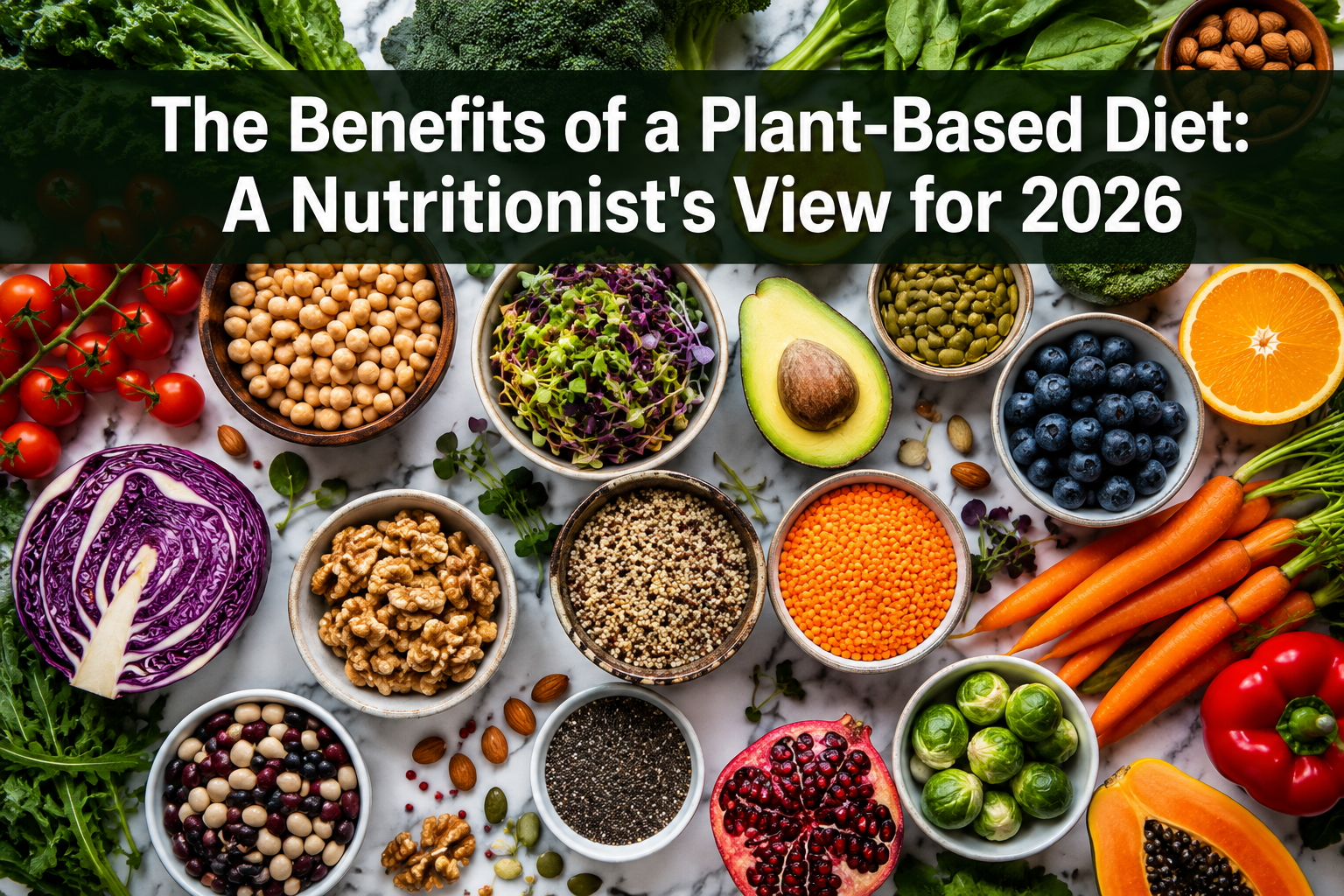
A plant-based diet prioritizes foods derived from plants, including vegetables, fruits, whole grains, legumes, nuts, and seeds. It does not automatically mean vegan or vegetarian; it means plants form the majority of what is eaten.
The key distinction nutritionists emphasize in 2026 is the difference between a whole-food plant-based diet and one that simply swaps animal products for processed alternatives. A diet of plant-based burgers, refined grains, and sugary snacks is technically plant-based but delivers few of the health benefits discussed here.
Core food groups in a whole-food plant-based diet:
- Vegetables (especially leafy greens like spinach, kale, and Swiss chard)
- Fruits (particularly antioxidant-rich options like blueberries, strawberries, and citrus)
- Legumes (lentils, chickpeas, black beans, edamame)
- Whole grains (quinoa, brown rice, oats, barley)
- Nuts and seeds (walnuts, flaxseeds, chia seeds, almonds)
- Healthy plant-based fats (avocado, olive oil)
What Are the Core Health Benefits of a Plant-Based Diet?
The benefits of a plant-based diet, from a nutritionist’s view for 2026, are well-supported by decades of clinical research. Three areas stand out consistently: cardiovascular health, metabolic health, and cancer risk reduction.
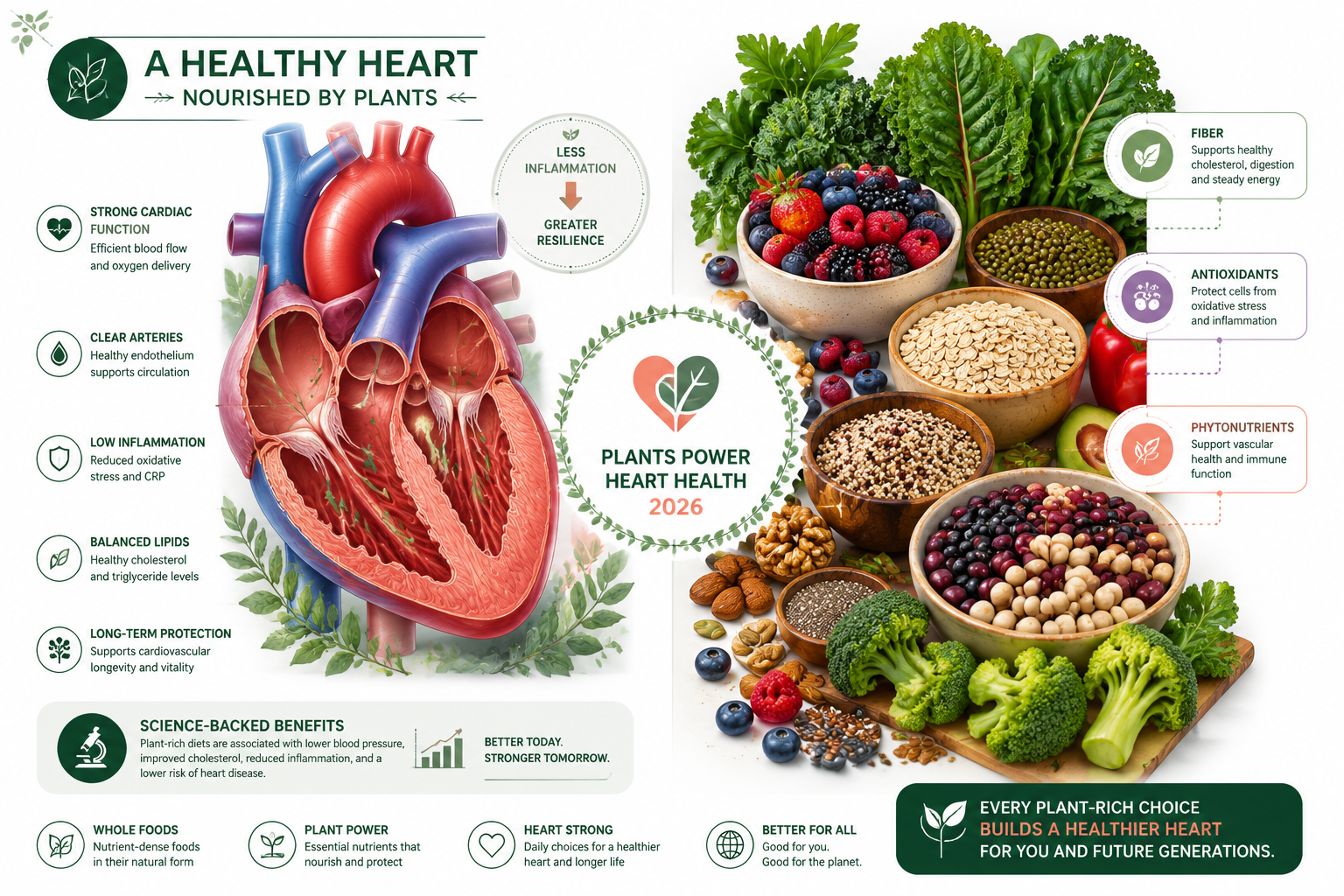
Heart disease: Plant-based diets are low in saturated fat and high in fiber, potassium, and antioxidants, all of which support healthy blood pressure and cholesterol levels. MD Anderson Cancer Center notes that plant-based eating is associated with a reduced risk of heart disease, one of the leading causes of death globally.
Type 2 diabetes: High-fiber foods slow glucose absorption, which helps stabilize blood sugar. Legumes and whole grains have a lower glycemic impact than refined carbohydrates, making plant-based eating a practical dietary strategy for diabetes prevention and management.
Cancer risk: Several plant foods contain phytochemicals, compounds that may help protect cells from the kind of DNA damage that can lead to cancer. Cruciferous vegetables like broccoli and Brussels sprouts contain sulforaphane, a compound studied for its potential role in cancer prevention.
“A plant-based diet doesn’t have to mean all or nothing. Even small shifts toward more plant foods can have meaningful health effects.” — MD Anderson Cancer Center
Additional benefits include:
- Improved gut microbiome diversity from high fiber intake
- Support for healthy body weight due to lower caloric density of plant foods
- Reduced systemic inflammation linked to chronic disease
How Does a Plant-Based Diet Support Gut Health and Weight Management?
Fiber is the primary driver of gut health benefits in plant-based diets, and most people eating a standard Western diet fall well short of the recommended daily intake. A plant-based diet naturally corrects this.
Soluble fiber, found in apples, oats, and flaxseeds, feeds beneficial gut bacteria and helps lower LDL cholesterol. Insoluble fiber, found in whole grains and vegetables, supports regular digestion. Together, they create a gut environment associated with lower inflammation and better immune function.
For weight management, plant foods tend to be more filling per calorie than animal products. A cup of lentils provides roughly 18 grams of protein and 15 grams of fiber for around 230 calories, making it a nutrient-dense choice that supports satiety without excess caloric intake.
Choose a plant-based approach for weight management if:
- Current diet is high in processed foods and refined carbohydrates
- Satiety between meals is a consistent challenge
- Blood sugar fluctuations are contributing to cravings
What Nutrients Require Attention on a Plant-Based Diet?
The benefits of a plant-based diet are real, but a nutritionist’s view for 2026 must also address the legitimate risks of nutrient deficiency when the diet is not well-planned.
The most common gaps are:
| Nutrient | Why It’s at Risk | Best Plant Sources | When to Supplement |
|---|---|---|---|
| Vitamin B12 | Found almost exclusively in animal foods | Fortified plant milks, nutritional yeast | Almost always recommended |
| Iron | Plant-based iron (non-heme) is less absorbable | Lentils, spinach, tofu, pumpkin seeds | If blood levels are low |
| Omega-3 fatty acids | ALA from plants converts poorly to EPA/DHA | Walnuts, flaxseeds, chia seeds | Algae-based omega-3 supplement advised |
| Calcium | Dairy eliminated in strict plant-based diets | Kale, fortified plant milks, almonds, tofu | Supplement if intake is consistently low |
| Vitamin D | Limited food sources regardless of diet | Fortified foods, sunlight | Supplement widely recommended |
| Zinc | Phytates in grains reduce absorption | Pumpkin seeds, legumes, whole grains | Monitor; supplement if deficient |
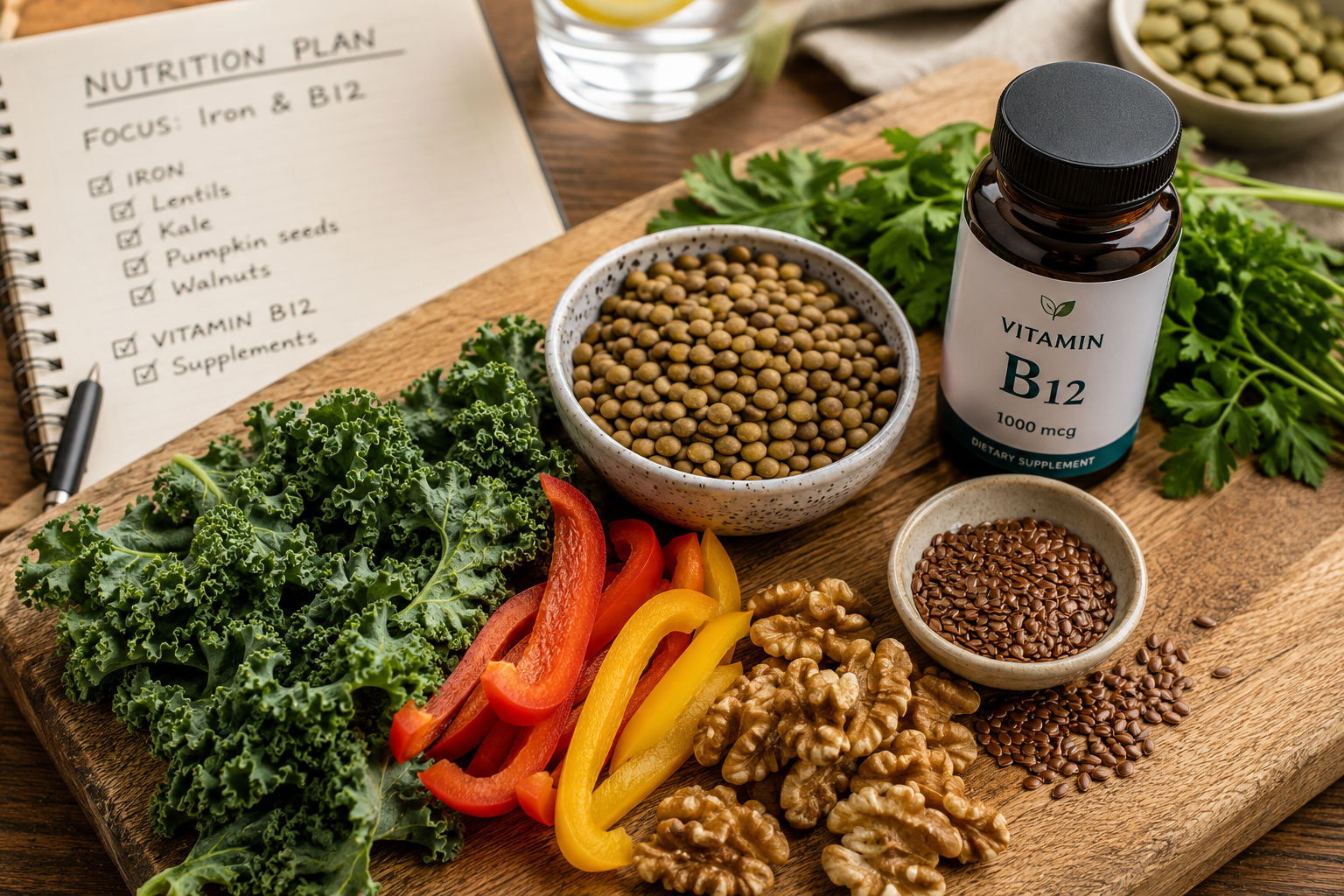
Practical tip: Pairing vitamin C-rich foods (like bell peppers or citrus) with iron-rich plant foods significantly improves non-heme iron absorption. This is a simple, cost-free strategy that makes a measurable difference.
Who Should Be Especially Careful When Adopting a Plant-Based Diet?
Most healthy adults can transition to a plant-based diet safely with proper planning. However, certain groups need closer nutritional monitoring.
Children and adolescents: Growth requires adequate protein, calcium, zinc, and vitamin D. A poorly planned plant-based diet during development can lead to deficiencies that affect bone density and cognitive development. Pediatric dietitian guidance is strongly recommended.
Pregnant and breastfeeding women: Folate, iron, iodine, and DHA needs increase significantly during pregnancy. While plant foods provide folate well, iodine and DHA are harder to source without supplementation.
Older adults: Protein needs increase with age to preserve muscle mass. Plant-based protein sources are effective, but portion sizes and variety matter more as absorption efficiency declines.
People with existing health conditions: Those managing kidney disease, for example, may need to limit high-potassium plant foods. Always consult a registered dietitian before making major dietary changes.
Common Misconceptions About Plant-Based Diets
Several myths persist around plant-based eating that discourage people from trying it or lead them to do it poorly.
Myth 1: Plant-based diets don’t provide enough protein. Legumes, tofu, tempeh, edamame, quinoa, and seeds all provide substantial protein. A varied plant-based diet can meet protein needs for most adults without difficulty.
Myth 2: All plant-based diets are automatically healthy. Processed vegan foods, white bread, and sugary beverages are technically plant-based. The health benefits come from whole, minimally processed plant foods, not the label.
Myth 3: Plant-based eating is expensive. Dried legumes, oats, frozen vegetables, and seasonal produce are among the most affordable foods available. Cost increases when relying on specialty plant-based products.
Myth 4: You need to go fully plant-based to see benefits. Research consistently shows that even a predominantly plant-based diet, sometimes called a flexitarian approach, delivers meaningful reductions in chronic disease risk.
FAQ
What is the difference between a vegan diet and a plant-based diet? A vegan diet excludes all animal products for ethical, environmental, or health reasons. A plant-based diet focuses on eating mostly plants for health reasons and may still include small amounts of animal products.
Can a plant-based diet reverse heart disease? Some clinical research, including work by Dr. Dean Ornish, suggests that a strict whole-food plant-based diet combined with other lifestyle changes can reverse certain markers of heart disease. However, results vary and medical supervision is essential.
How much fiber should someone on a plant-based diet eat daily? General guidelines recommend 25 grams per day for women and 38 grams for men. Most people on a whole-food plant-based diet exceed this naturally.
Is it safe for children to follow a plant-based diet? Yes, with careful planning and professional guidance. Key nutrients to monitor include vitamin B12, calcium, iron, zinc, and vitamin D.
Do plant-based diets help with inflammation? Yes. Fruits, vegetables, and whole grains are rich in antioxidants and phytonutrients that are associated with reduced markers of systemic inflammation.
What is the easiest way to start a plant-based diet? Start by replacing one or two meals per week with plant-based options. Adding more legumes, vegetables, and whole grains before removing animal products is a practical, sustainable approach.
Can athletes get enough protein from a plant-based diet? Yes. Athletes need to pay attention to total protein intake and amino acid variety, but plant-based protein sources like soy, lentils, and quinoa can meet elevated needs when portions are adequate.
Are plant-based diets good for mental health? Emerging research suggests a link between gut health (supported by high-fiber plant diets) and mood regulation. However, this is an active area of research and should not replace professional mental health care.
Conclusion
The benefits of a plant-based diet, from a nutritionist’s view for 2026, are well-established and accessible to most people willing to make gradual, informed changes. Reduced risk of heart disease, type 2 diabetes, and certain cancers, combined with improvements in gut health and weight management, make a compelling case for shifting toward whole plant foods.
The practical steps are straightforward:
- Build meals around vegetables, legumes, and whole grains first.
- Add fruit daily, particularly antioxidant-rich options like berries and citrus.
- Include a source of healthy fat from nuts, seeds, or avocado at most meals.
- Take a vitamin B12 supplement and consider algae-based omega-3s.
- Get blood work done annually to monitor iron, vitamin D, and B12 levels.
- Consult a registered dietitian if managing a health condition or feeding children.
No single dietary approach works for everyone, but the evidence supporting whole-food plant-based eating is among the strongest in nutritional science. Starting small, staying consistent, and addressing nutrient gaps proactively makes this one of the most practical long-term health strategies available in 2026.
References
- MD Anderson Cancer Center. “The benefits of a plant-based diet.” MD Anderson Cancer Center. https://www.mdanderson.org/cancerwise/the-benefits-of-a-plant-based-diet.h00-159780390.html
