

Last updated: June 23, 2026
Quick Answer: The Supplemental Nutrition Assistance Program (SNAP) is the largest federal nutrition assistance program in the United States, serving roughly 42 million Americans as of recent data. This explainer covers how SNAP works, who qualifies, how benefits are calculated, and what proposed or enacted cuts to these benefits may mean for low-income households, state budgets, and the broader food system.
Key Takeaways
- SNAP provides monthly electronic food benefits to eligible low-income individuals and families, administered jointly by the federal government and states.
- As of fiscal year 2023, SNAP served approximately 42 million people at a federal cost of about $113 billion, according to the USDA.
- Eligibility is based on income, household size, and certain asset limits; most households must have gross income at or below 130% of the federal poverty level.
- Proposed cuts in 2025 and 2026 budget legislation could shift significant costs to states, reduce benefit amounts, or tighten eligibility rules.
- Cuts to SNAP benefits are associated with increased food insecurity, reduced spending at local grocery stores, and greater strain on food banks.
- States cannot easily replace lost federal SNAP funding because of the scale of the program and state budget constraints.
- Research consistently links SNAP participation to improved health outcomes, reduced poverty, and better educational performance among children.
- Understanding the mechanics of SNAP is essential for evaluating any policy proposal that changes its funding or structure.
What Is SNAP and How Does It Work?
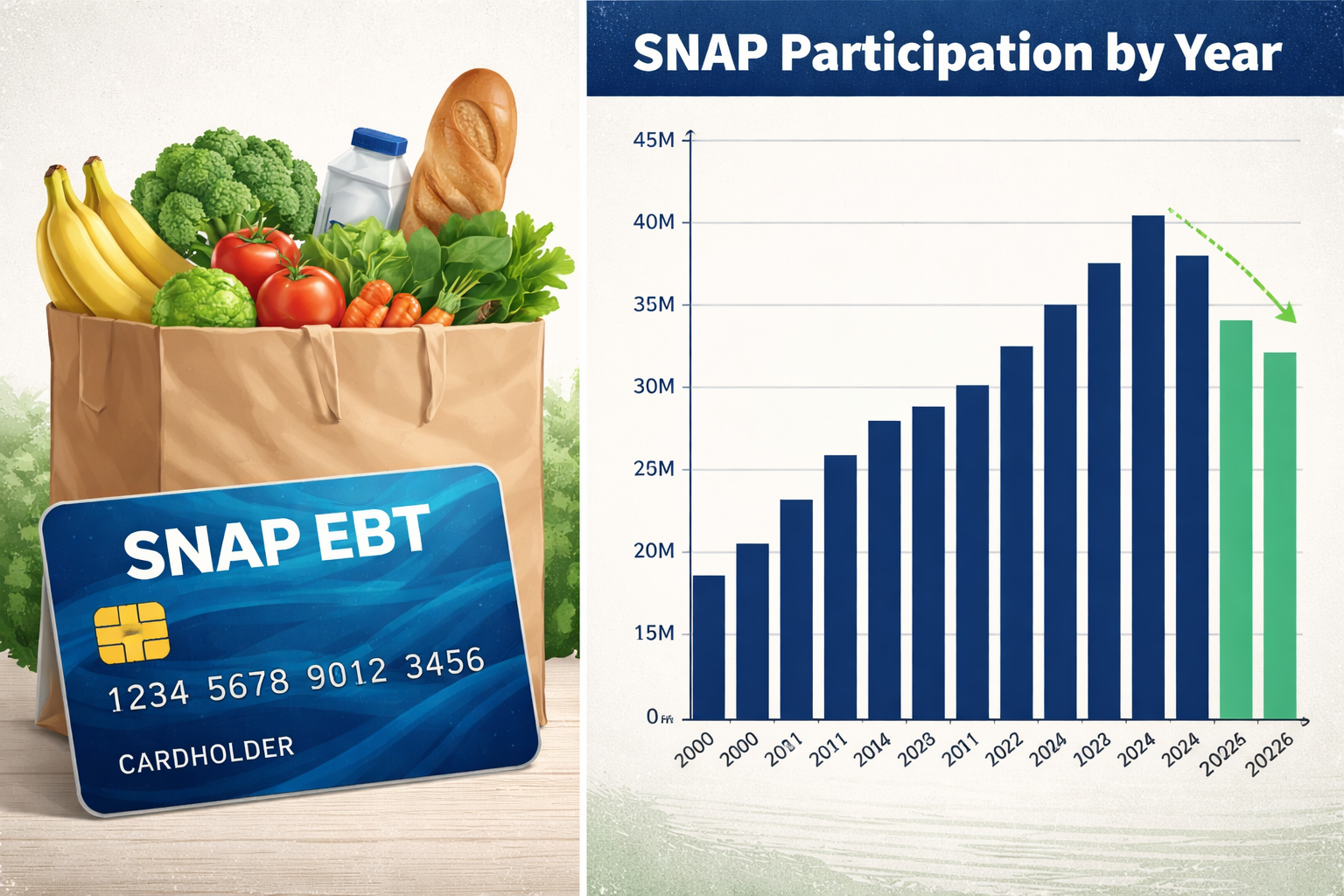
SNAP, formerly known as food stamps, is a federal entitlement program administered by the U.S. Department of Agriculture (USDA) and delivered through state agencies. Eligible participants receive benefits loaded monthly onto an Electronic Benefit Transfer (EBT) card, which functions like a debit card and can be used to purchase most food items at authorized retailers.
Key program mechanics:
- Federal funding: The federal government pays 100% of benefit costs and roughly 50% of administrative costs.
- State role: States determine eligibility, process applications, and manage distribution, with federal oversight.
- Benefit calculation: The maximum monthly benefit is tied to the Thrifty Food Plan, a USDA estimate of the cost of a low-cost nutritious diet. The average monthly benefit per person was approximately $187 in fiscal year 2023, according to USDA data.
- Authorized purchases: SNAP covers most grocery items but excludes alcohol, tobacco, vitamins, and hot prepared foods.
Who Qualifies for SNAP Benefits?
Most households must meet both a gross income test and a net income test to qualify. Gross income must generally be at or below 130% of the federal poverty level (FPL), and net income (after allowable deductions) must be at or below 100% of the FPL.
Eligibility criteria at a glance:
| Criterion | Standard Rule |
|---|---|
| Gross income limit | 130% of federal poverty level |
| Net income limit | 100% of federal poverty level |
| Asset limit | $2,750 for most households; $4,250 if elderly/disabled |
| Work requirement | Able-bodied adults without dependents (ABAWDs) must work or train 20+ hrs/week |
| Citizenship/immigration | Must be a U.S. citizen or qualified non-citizen |
Some states have adopted “broad-based categorical eligibility,” which allows households receiving certain other assistance to qualify for SNAP even if they exceed standard asset limits. This provision has been a recurring target for federal rollbacks.
Choose this program if: A household earns below 130% FPL, has limited liquid assets, and includes children, elderly members, or people with disabilities. These groups see the largest proportional benefit from participation.
How Are Benefit Amounts Determined?
Benefit amounts are not flat. They are calculated based on household size, net income, and the maximum allotment set annually by the USDA.
The basic formula: Maximum allotment minus 30% of net income equals the monthly SNAP benefit.
For example, a family of three with zero net income would receive the full maximum allotment for their household size. As earned income rises, benefits phase down gradually, which is intentional to avoid a “benefits cliff” that discourages work.
The Thrifty Food Plan was updated in 2021 for the first time since 1975, resulting in a meaningful increase in maximum benefit levels. That update was one of the most significant expansions of SNAP in decades.
What Cuts to SNAP Benefits Are Being Proposed or Enacted?
As of 2026, federal budget negotiations have included several proposals that would reduce SNAP spending. Understanding the SNAP program and what cuts to these benefits may mean requires looking at the specific mechanisms involved.
Major proposed changes include:
- Cost-shifting to states: Requiring states to pay a portion of benefit costs (currently 0%), which could force states to reduce caseloads or benefit levels.
- Tightening work requirements: Expanding ABAWD work requirements to older adults (up to age 65) and parents of children over age 6.
- Eliminating broad-based categorical eligibility: This would remove a pathway used by many working-poor households to qualify.
- Restricting the Thrifty Food Plan update: Some proposals would roll back or freeze the 2021 benefit increase.
- Stricter asset tests: Lowering asset limits would disqualify households with modest savings.
According to analysis from the Center on Budget and Policy Priorities (2025), proposals to shift even 10–25% of benefit costs to states could result in millions of people losing access to SNAP, because most states lack the fiscal capacity to absorb those costs.
What Would Cuts Mean for Families and Communities?
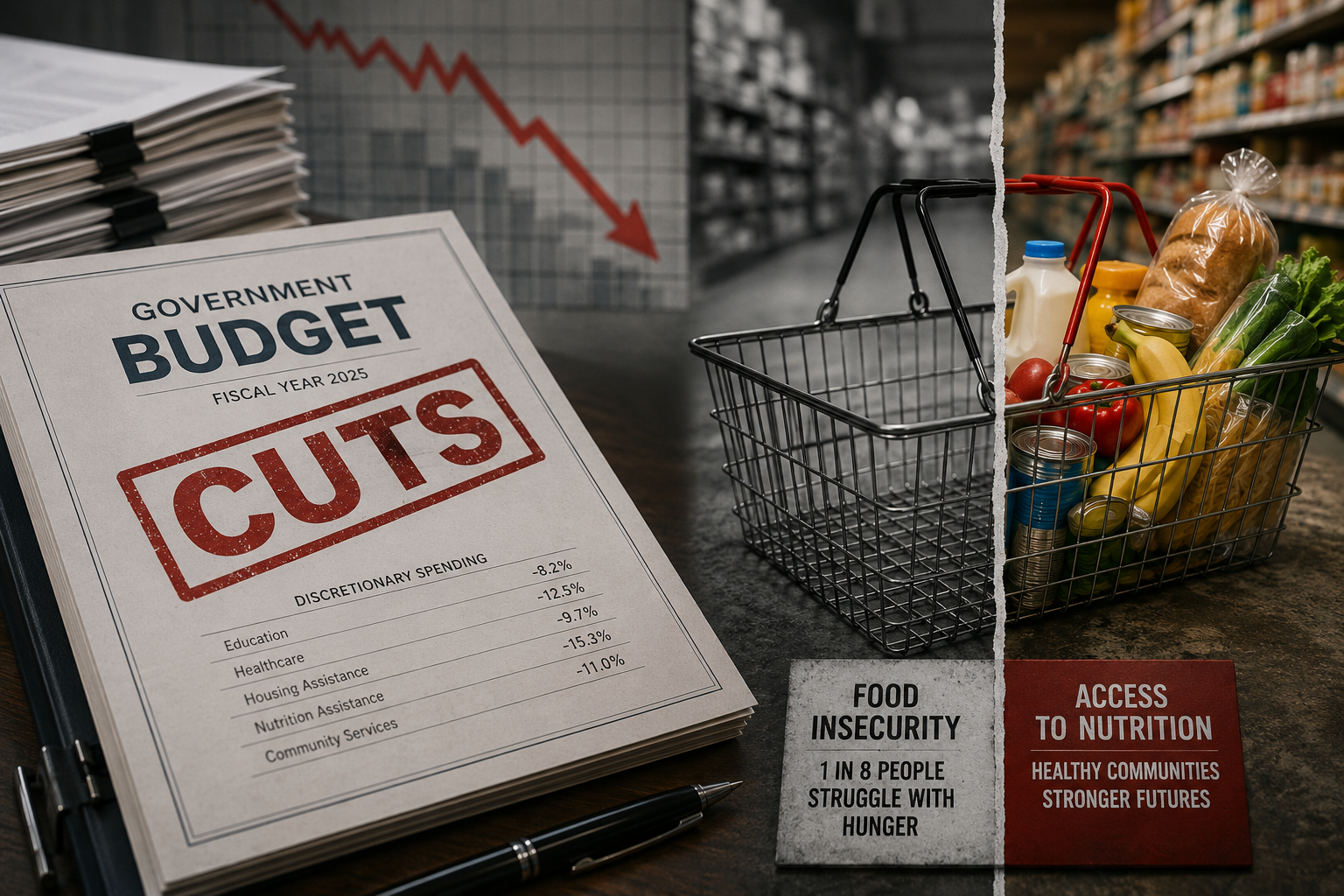
Cuts to SNAP benefits carry real consequences that extend well beyond individual households. This is a central concern in any explainer on understanding the SNAP program and what cuts to these benefits may mean.
For families:
- Reduced monthly food budgets, forcing tradeoffs between food and other necessities like rent and medication.
- Increased reliance on food pantries and charitable food systems, which are already operating near capacity.
- Research from the National Bureau of Economic Research links SNAP participation to lower rates of hospitalization and better birth outcomes.
For local economies:
- SNAP dollars circulate quickly through local grocery stores. USDA economic research has estimated that every $5 in new SNAP benefits generates as much as $9 in local economic activity.
- Rural communities, which tend to have higher SNAP participation rates, would face disproportionate economic strain.
For states:
- States facing cost-sharing mandates would need to either raise taxes, cut other programs, or reduce SNAP rolls.
- Administrative costs would rise as states handle more eligibility determinations under tighter rules.
What Does Research Say About SNAP’s Effectiveness?
The evidence base for SNAP is extensive and largely consistent. Studies from Harvard Kennedy School researchers and other institutions have found that SNAP:
- Reduces food insecurity among recipient households.
- Improves health outcomes for children and adults, including lower rates of obesity-related illness in some populations.
- Supports long-term economic mobility; children in households that received SNAP are more likely to complete high school and less likely to experience poverty as adults (Hoynes, Schanzenbach, and Almond, 2016).
- Acts as an automatic economic stabilizer, expanding during recessions and contracting during recoveries.
A common critique is that SNAP creates dependency. However, most SNAP spells are short-term. According to USDA data, the majority of new participants exit the program within 12 months, often because their income rises.
How Do Proposed Cuts Compare to Historical SNAP Changes?
SNAP has faced funding debates for decades. The 2014 Farm Bill cut about $8 billion from SNAP over 10 years, primarily by restricting categorical eligibility. The 2018 Farm Bill proposed more aggressive work requirement expansions, but those provisions were ultimately not enacted.
The 2025–2026 proposals under discussion are notable for their scale. Cost-shifting to states, if enacted, would represent a structural change to the program not seen since its creation, effectively converting part of SNAP from an entitlement into a block-grant-like arrangement.
Conclusion
Understanding the SNAP program and what cuts to these benefits may mean is not just a policy exercise. It has direct implications for the 42 million Americans who rely on these benefits to afford food each month, for state governments that would bear new fiscal burdens, and for the communities where SNAP dollars circulate.
Actionable next steps for different audiences:
- Policymakers and advocates: Review the Congressional Budget Office’s scoring of specific proposals to assess real-world impact before voting or lobbying.
- State officials: Model the fiscal impact of federal cost-shifting scenarios on your state’s budget and caseload now, before legislation passes.
- Researchers and journalists: Use USDA’s publicly available SNAP data portal to track participation trends and benefit levels in real time.
- Households and caseworkers: Check current eligibility rules through Benefits.gov or your state’s SNAP agency, as rules can change quickly during budget cycles.
- General public: Contact elected representatives with specific questions about how proposed SNAP changes would affect constituents in their districts.
The program’s structure, its evidence base, and the scale of proposed changes all deserve careful scrutiny. Decisions made in 2026 about SNAP funding will shape food security in the United States for years to come.
FAQ
What does SNAP stand for? SNAP stands for Supplemental Nutrition Assistance Program. It replaced the Food Stamp Program in 2008 under the Farm Bill.
How do I apply for SNAP? Applications are submitted through your state’s SNAP agency, either online, in person, or by mail. Eligibility is determined at the state level using federal guidelines.
Can SNAP benefits be used for fast food? Generally no. SNAP benefits cannot be used for hot prepared foods or restaurant meals, with limited exceptions for elderly, disabled, or homeless participants in states that have adopted the Restaurant Meals Program.
What happens to SNAP during a government shutdown? SNAP is an entitlement program, so benefits can continue for a limited period during a shutdown using prior-year funding authority, but extended shutdowns can disrupt payments.
Do immigrants qualify for SNAP? Undocumented immigrants do not qualify. Most legal permanent residents must wait five years after obtaining status before becoming eligible, with exceptions for refugees, asylees, and some other categories.
How much does SNAP cost the federal government? In fiscal year 2023, SNAP cost approximately $113 billion in federal spending, according to USDA data. This figure includes both benefits and administrative costs.
Would states replace lost SNAP funding if federal cuts pass? Most states would not be able to fully replace lost federal SNAP funding. State budgets are constrained by balanced-budget requirements, and the scale of SNAP far exceeds what most state social service budgets could absorb.
What is the Thrifty Food Plan? The Thrifty Food Plan is a USDA model of a low-cost, nutritionally adequate diet used to set maximum SNAP benefit levels. It was updated in August 2021 for the first time since 1975.
What are ABAWD work requirements? Able-Bodied Adults Without Dependents (ABAWDs) are generally limited to three months of SNAP benefits in a 36-month period unless they work or participate in job training for at least 20 hours per week.
Is SNAP the same as WIC? No. WIC (Women, Infants, and Children) is a separate program targeting pregnant women, new mothers, and children under age 5. SNAP serves a broader population and covers a wider range of food purchases.
References
- USDA Food and Nutrition Service. (2023). SNAP Data Tables. https://www.fns.usda.gov/pd/supplemental-nutrition-assistance-program-snap
- Hoynes, H., Schanzenbach, D. W., & Almond, D. (2016). Long-run impacts of childhood access to the safety net. American Economic Review, 106(4), 903–934.
- Center on Budget and Policy Priorities. (2025). SNAP Proposals in Reconciliation Would Shift Costs to States and Cut Benefits. https://www.cbpp.org
- Harvard Kennedy School. (2025). Explainer: Understanding the SNAP program—and what cuts to these benefits may mean. https://www.hks.harvard.edu/faculty-research/policy-topics/social-policy/explainer-understanding-snap-program-and-what-cuts
- USDA Economic Research Service. (2019). The Supplemental Nutrition Assistance Program (SNAP) and the Economy: New Estimates of the SNAP Multiplier. https://www.ers.usda.gov
